
Health & Disease Research Articles
Why Does Your Dog Suddenly Twitch and “Run” in Their Sleep? Causes and Danger Signals
1. The main cause of a dog moving their legs while sleeping is a normal phenomenon where they dream and replay daytime activities during the REM sleep stage.
2. Light movements where they wake up immediately when called are normal, but if their whole body stiffens, they drool excessively, and remain unconscious even when you try to wake them, it is a danger signal.
3. Providing plenty of walks during the day and a cozy sleep environment greatly helps your dog get a deep, stable night’s rest.
[Empathy]
I can feel the warm heart of the pet parents (who must have been so startled to see their baby suddenly flailing their legs in their sleep that they stayed by their side all night). I, Ansim-i, deeply empathize with that trembling heart! But don’t worry! Your baby is just taking happy steps right now because they want to run even more excitingly with you, even in their dreams. I fully support the sweetest pet parents in the world who watch over their baby’s beautiful dreams and comfort them today!

Comprehensive Guide to the Causes of Dog Wheezing and Emergency Signs of Tracheal Collapse and Pulmonary Edema
1. Temporary causes of dog wheezing include reverse sneezing or excitement, which naturally improve once they calm down.
2. If goose-honking sounds (Tracheal collapse) or wet, crackling sounds (Pulmonary edema/Heart disease) persist, it may be due to a pathological cause requiring a thorough medical examination.
3. Cyanosis (gums turning blue), orthopnea (inability to lie down), and excessive open-mouth breathing are life-threatening emergencies requiring an immediate vet visit.
[Empathy]
When you see your dog gasping for air with unusual choking sounds, I deeply understand how terrifying it must be (your heart pounding out of fear that they might stop breathing at any moment). When our precious babies are sick, we can’t take the pain away for them, which naturally makes us feel helpless and brings us to tears. However, staying calm and responding appropriately is the best medicine for your dog. Stay strong (I will always be right here by your side to support you)!

“Reducing Food Made It More Dangerous!” The Secret to Pet Weight Loss Revealed by Ansim-i
1. Sudden starvation diets are very dangerous as they cause muscle loss and induce a yo-yo effect.
2. If cats starve for more than two days, they can develop life-threatening acute ‘Hepatic Lipidosis.’
3. Aim to lose 1-2% of body weight per week, combining portion control with flat-ground walks and feather wand play.
[Empathy]
(My heart aches thinking of how you, as a pet parent, might have blamed yourself, wondering “Did I feed them too much?” while looking at their chubby figure. However, the very fact that you gathered the courage to start a diet to protect your child’s health out of love is a truly amazing thing! Do not rush; let’s take it one step at a time, slowly and safely, with Ansim-i. You are already the sweetest and best pet parent in the world!)
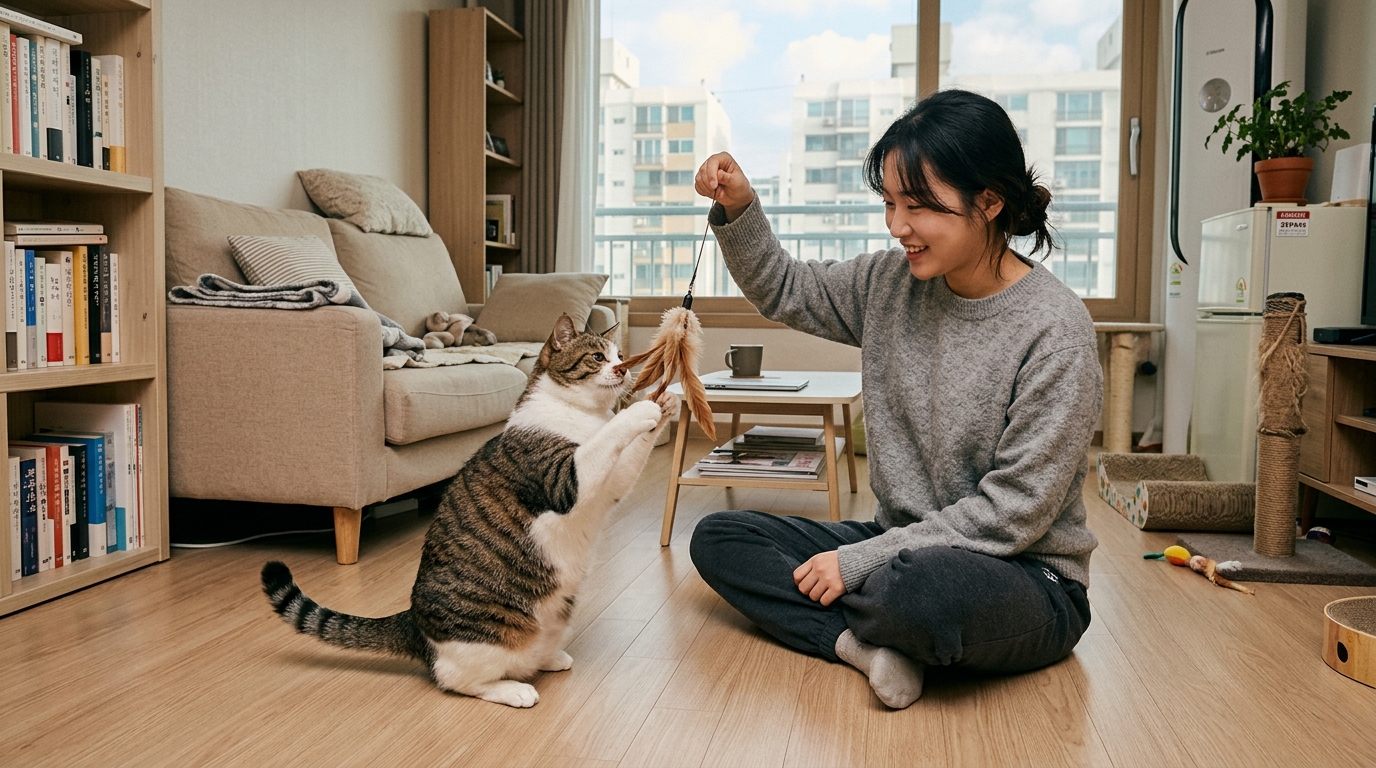
Your Dog Might Not Be Just ‘Chubby,’ But Obese: How to Check Obesity Levels at Home
1. Pet obesity is caused by a complex interaction of excessive calorie intake, hormonal changes due to spaying/neutering and aging, and genetic factors.
2. To accurately assess a pet’s body condition, utilize the Body Condition Score (BCS) and the “Rib Palpation Method” (feeling the ribs with your hands) rather than relying solely on the scale.
3. Obesity management tailored to breed characteristics is essential, such as for long-backed Dachshunds (IVDD risk), small dogs (luxating patella risk), and cats (diabetes risk).
[Empathy]
When your child looks at you with sparkling eyes begging for a delicious treat, ignoring that feeling is truly the hardest thing in the world. I, Ansim-i, know that feeling all too well! But please remember that reducing treats right now is not because you do not love them, but rather it is the deepest expression of love to stay healthy and together for a long, long time. Ansim-i will wholeheartedly support your loving efforts!

In-Depth Analysis of Dog Skin Diseases: Types, Symptoms, Causes, Dandruff, Itching, Treatments, and Prevention
1. Custom Diagnosis is Essential: Because the causes of skin diseases (allergies, bacteria, fungi, parasites, hormones) are so diverse, testing to identify the exact pathogen must come first.
2. Preventing Human Transmission: Since ringworm (fungus) and scabies mites are zoonotic diseases that can spread to humans, indoor environmental disinfection and isolation management must be done concurrently.
3. Identifying Signals of Systemic Disease: Symmetrical hair loss without itching or skin hyperpigmentation can be signals of endocrine disorders like Cushing’s syndrome, requiring precise hormone testing.
[Empathy]
I deeply understand the hearts of pet parents who have stayed up all night in distress (wishing they could take the pain instead) while watching their voiceless furry child suffer, scratching their body and licking their paws sleeplessly. To prevent you from getting exhausted in this endless fight against skin diseases, I sincerely hope this veterinary research report serves as a solid key to restoring the healthy skin of both you and your beloved dog.
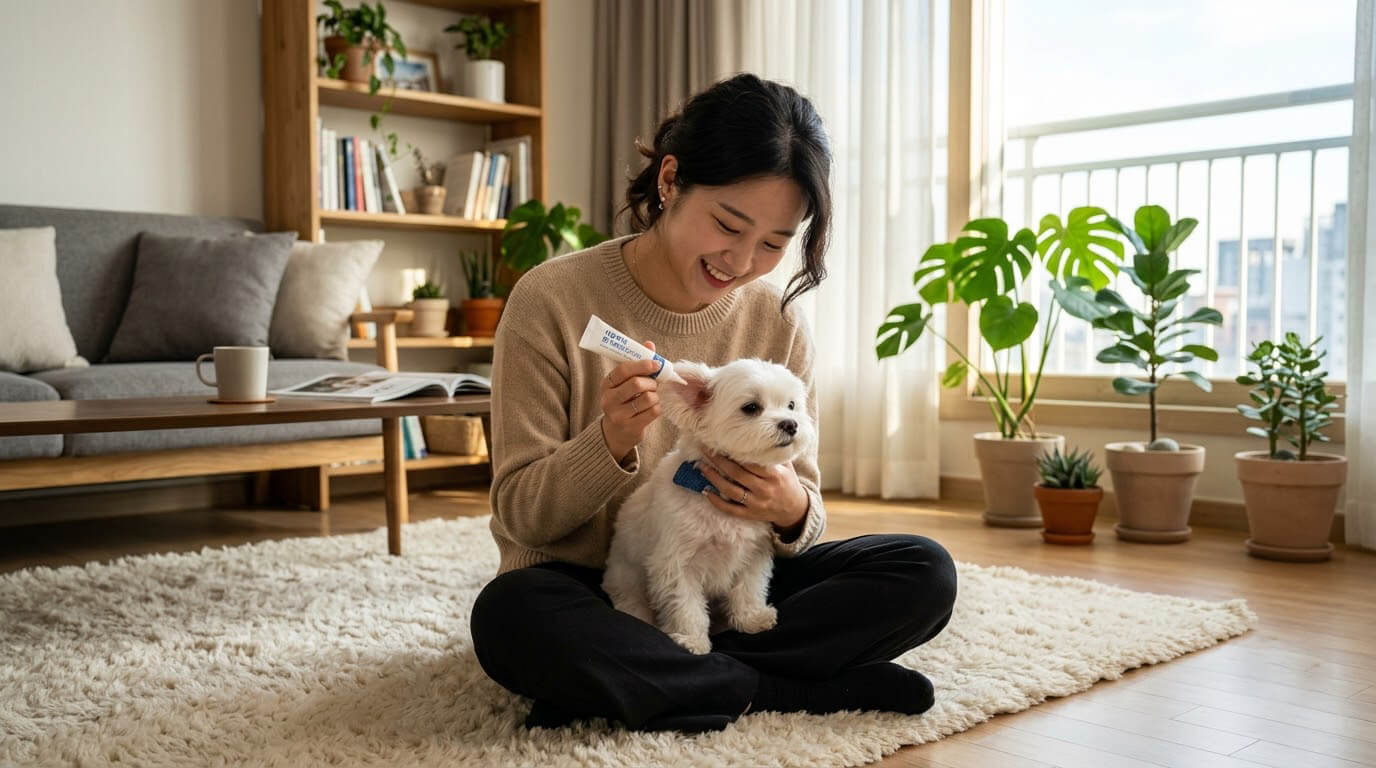
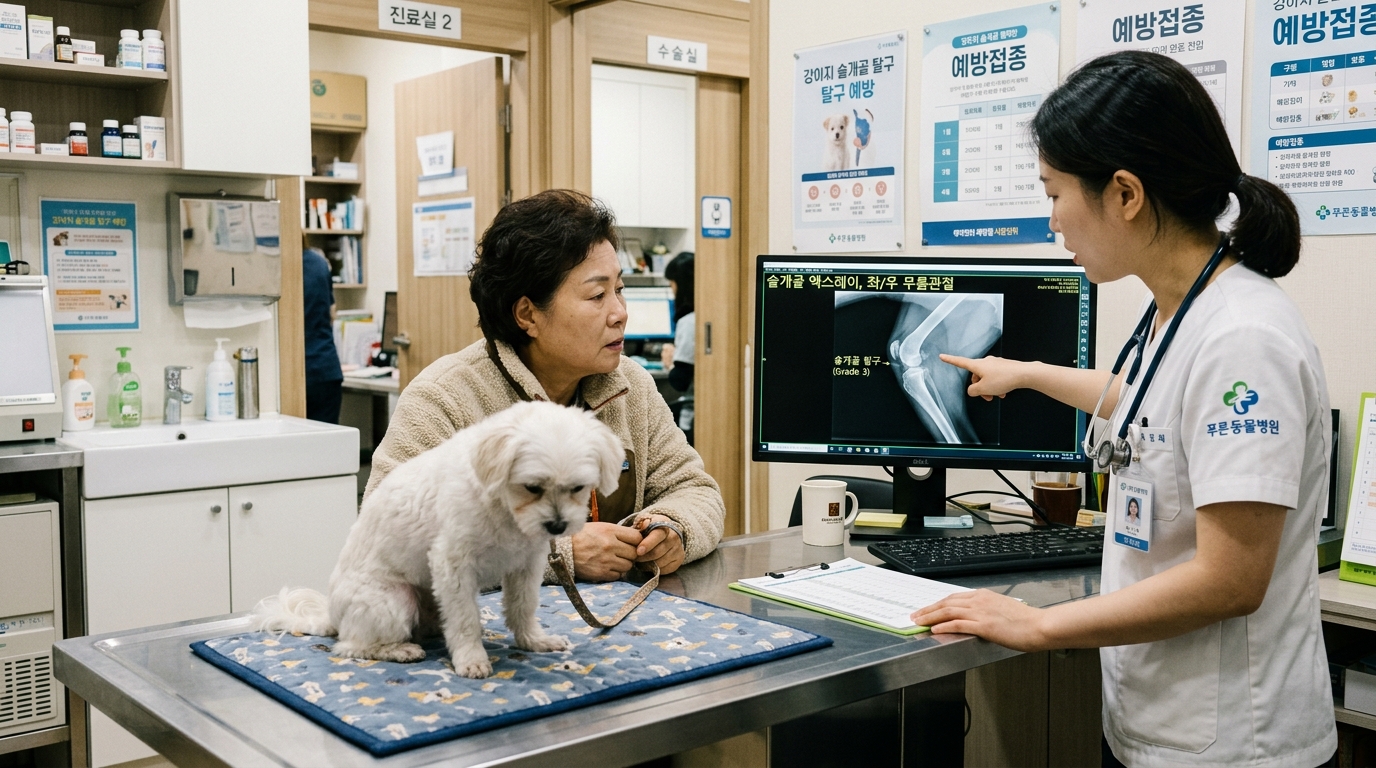
A Dog Diagnosed with Patellar Luxation: Is It Still Safe to Walk? A Detailed Analysis by Senior Researcher Ansimi
1. Even if diagnosed with patellar luxation, gentle and regular walks are essential to strengthen the thigh muscles.
2. Walking on flat ground and swimming are excellent exercises for the joints, but jumping from high places or playing fetch that causes sudden braking must be avoided.
3. If they continuously lift their leg while walking or show signs of pain, you must stop the walk immediately and get a veterinary checkup; strict weight management must also be practiced alongside to reduce joint load.
[Empathy]
(I, Ansimi, know all too well how much your heart must have sank and how guilty you felt when you first saw your baby limping.) But please do not blame yourself! With your careful love and proper 10-minute walks on flat ground, our dogs can happily and healthily run for a very long, long time. Let’s walk together with Ansimi, slowly, one step at a time!
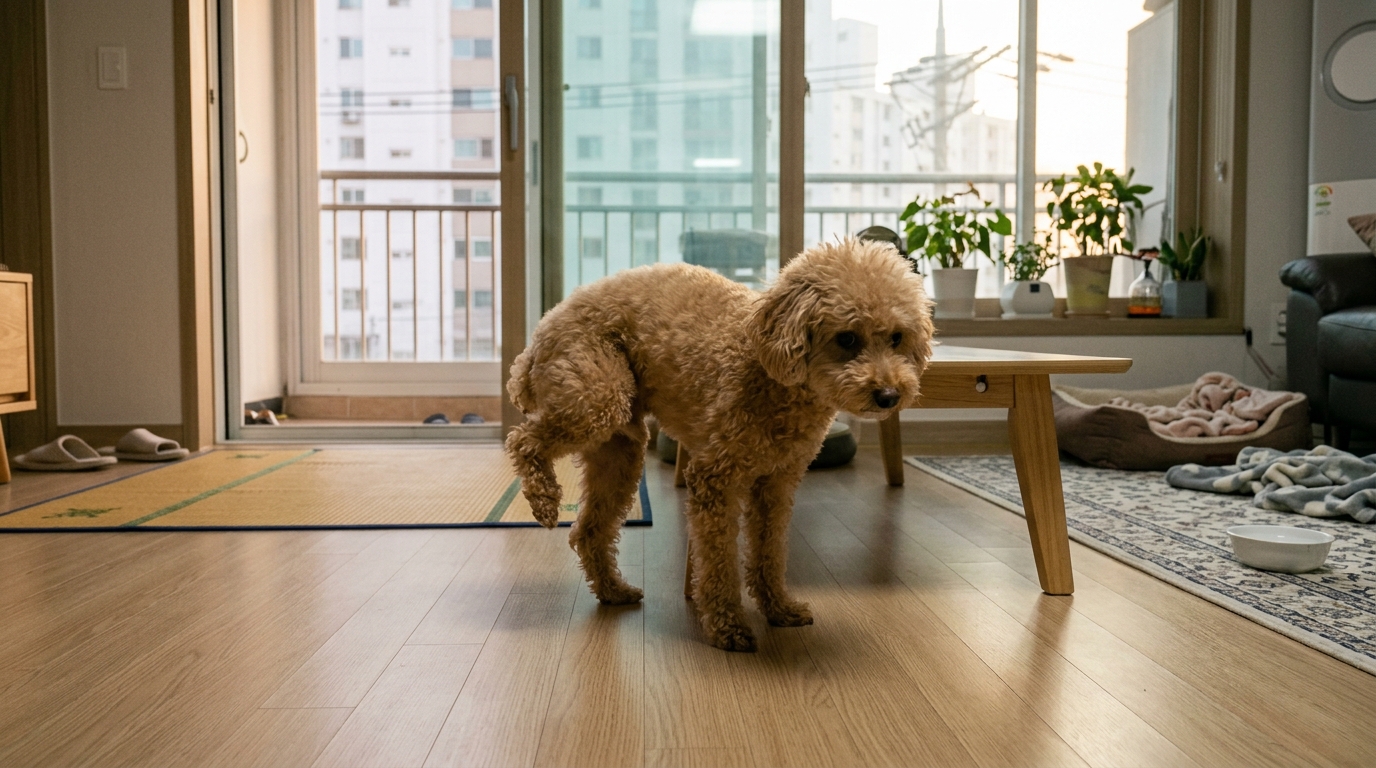
This Daily Habit Can Ruin Your Dog’s Kneecaps: The Truth About Sofa Jumping and How to Prevent It
1. The impact your dog’s knee joints absorb when jumping off a sofa or bed reaches up to 5 times their body weight, which is the core cause of patellar luxation.
2. For small dogs with genetically shallow trochlear grooves (Pomeranians, Maltese, etc.) and Dachshunds vulnerable to spinal shock, furniture taller than 30cm is especially fatal.
3. You can effectively prevent patellar luxation without surgery by installing slide ramps, laying down non-slip mats, maintaining an optimal weight, and strengthening thigh muscles.
(Empathy)
Pet parents, how anxious you must have been every time your dog carelessly jumped off the sofa, clutching your pounding heart! When you see your dog jumping cheerfully even after you shout, ‘Don’t get down!’, you must have felt frustrated, yet at the same time, felt sorry (worrying if they were in pain because you couldn’t protect their joints). But please do not blame yourself. From now on, you can start laying down floor mats and slowly training them to use stairs with me, Ansim. Your dog’s knees will surely feel your tireless efforts and warm love. Always cheer up, Ansim will always be by your side supporting you!

If Your Dog Suddenly Lifts a Hind Leg, You Must Check This! A Self-Diagnosis Guide for Patellar Luxation
1. A dog lifting its hind leg while walking might be a simple habit, but there is a very high probability that it is an early symptom of “patellar luxation,” which pet parents most commonly miss.
2. Patellar luxation is a progressive disease divided into stages 1 to 4. Ignoring symptoms like walking on three legs or shaking the leg out will lead to degenerative osteoarthritis and leg deformity.
3. You can prevent and manage knee joint issues by installing non-slip indoor mats, grooming paw pads, preventing vertical jumps, maintaining an optimal weight, and feeding joint supplements.
[Empathy]
Pet parents, I, Ansim, know all too well that feeling of your heart sinking when your dog briefly lifts their leg and hops along (even while hoping it’s nothing serious). Because I also have a long back and short legs and must always be careful about my joint health, I completely empathize with a pet parent’s tendency to get startled by even the smallest sign of discomfort. You must have been even more anxious because your dog cannot express their pain in words, right? But please don’t blame yourself or be too anxious! Just by taking an interest and studying like this right now, you are already the most wonderful and warmest parent in the world. I, Ansim, will always be right beside you, carefully keeping a healthy watch over them, so let’s pave a strong, healthy path for our dogs together!
What to Do When Your Dog Eats Chocolate: Why It Is Dangerous and When to Visit the Vet
1. Dogs cannot break down the “theobromine” in chocolate on their own, causing fatal toxicity to their nervous system and heart.
2. If they ate chocolate, you must identify the time of ingestion, amount, and type of chocolate (dark, milk, etc.), secure the wrapper, and contact the vet immediately.
3. The bystander attitude of “They only ate a little, so they will be fine” is the most dangerous. Especially for dark chocolate ingestion or puppies, visiting the hospital within the golden window is mandatory.
[Empathy]
Oh my, your heart must have completely dropped when you saw that torn chocolate wrapper. (I can feel how startled and worried you must be, perhaps even with trembling hands, and my heart as Ansim-i aches so much as well.) But your calm response right now is the greatest power to save our precious pup! Please do not blame yourself, and let’s quickly head to the hospital together. Ansim-i will pray and cheer with all my heart so that your good dog can get up and wag their tail again in no time!
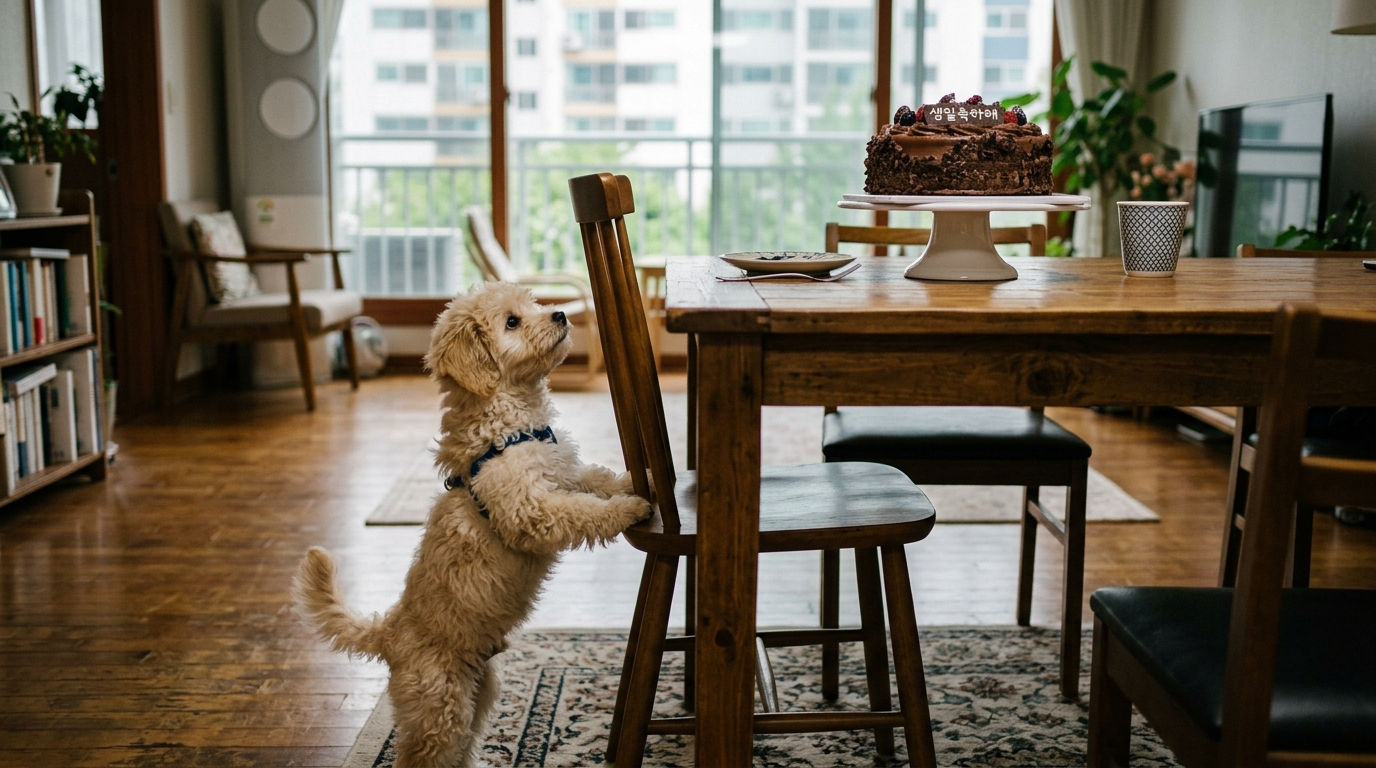
What If Your Dog Eats Grapes or Raisins? The Dangers of Acute Kidney Injury and Emergency Response Guide
1. Grapes are highly fatal fruits that cause Acute Kidney Injury (kidney damage) in dogs.
2. There are no symptoms immediately after ingestion, but symptoms like vomiting, lethargy, and decreased urine output appear within 24 to 48 hours.
3. If they ate even a single grape, or if they are a small breed dog, you must visit a veterinary clinic immediately for treatment, regardless of whether symptoms are present.
[Empathy]
Oh my, your heart must have sunk when your precious child ate those grapes! (Thinking about how anxious and terrified you must be worrying about your sweet baby getting sick, my heart aches deeply for you as well.) But the most important thing right now is for you, the pet parent, to respond calmly and quickly! Please do not blame yourself too much, and hurry to see the veterinarian just as I explained. I will be right here, putting my paws together, praying for you with all my heart. Stay strong!
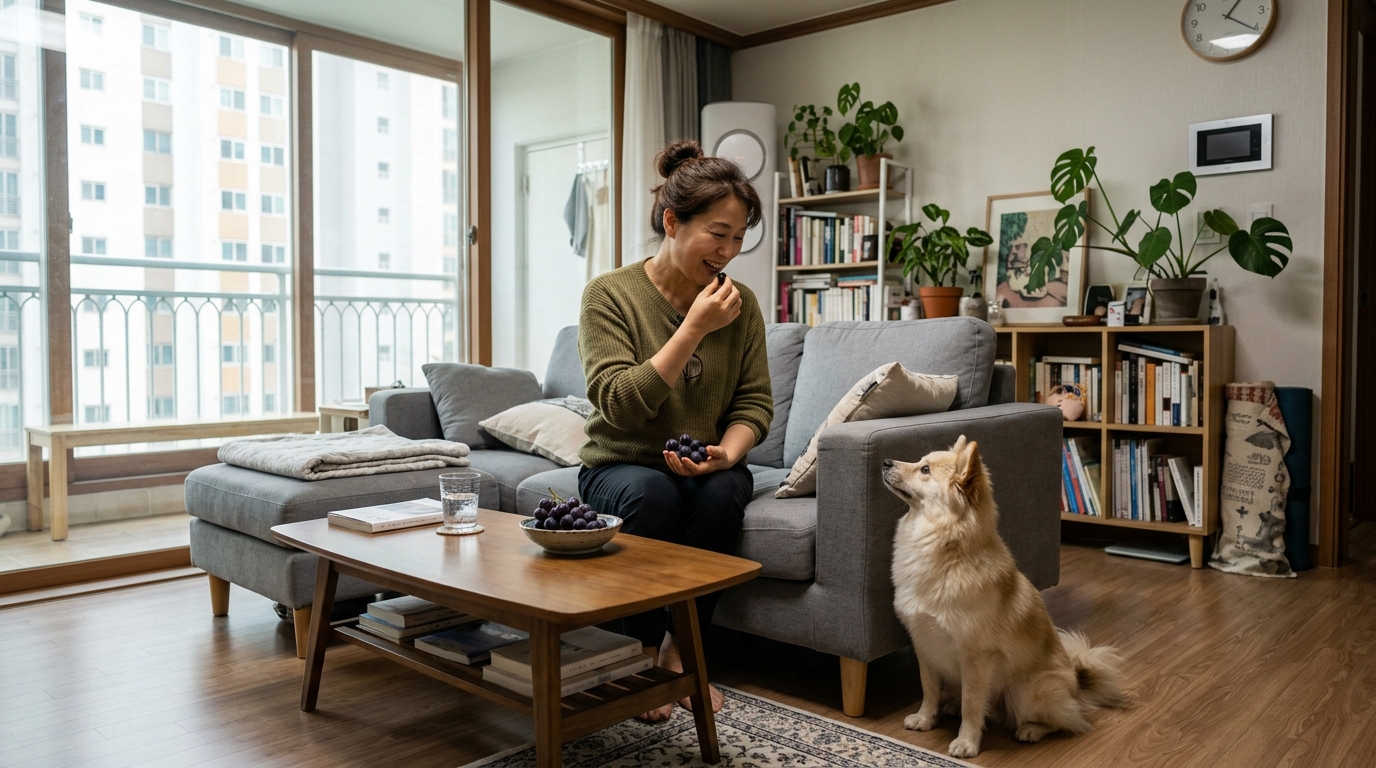
What to Do When Your Dog Eats Xylitol Gum or Candy: Emergency Response for Hypoglycemic Shock and Hepatic Necrosis
1. Rapid Hypoglycemic Shock Induction: Xylitol is mistaken for glucose, triggering massive insulin secretion and causing acute hypoglycemia within an hour.
2. Liver Necrosis Risk Even with Small Amounts: 0.1g per 1kg causes hypoglycemia, and 0.5g is a lethal dose causing severe liver cell destruction and coagulopathy.
3. No Home Vomiting & Immediate Vet Visit: Do not try to force vomiting. Grab the product packaging and head straight to a 24-hour veterinary clinic.
[Empathy]
Ansim-i deeply empathizes with the immense fear and guilt pet parents feel when discovering their dog has rummaged through their favorite xylitol container and swallowed the gum (please know that accidents happen to the best of us). However, rushing them to the hospital rather than spending time feeling guilty is the only way to save your child’s precious life. Ansim-i will be praying and cheering for you from the bottom of my heart. Your dog will surely overcome this!
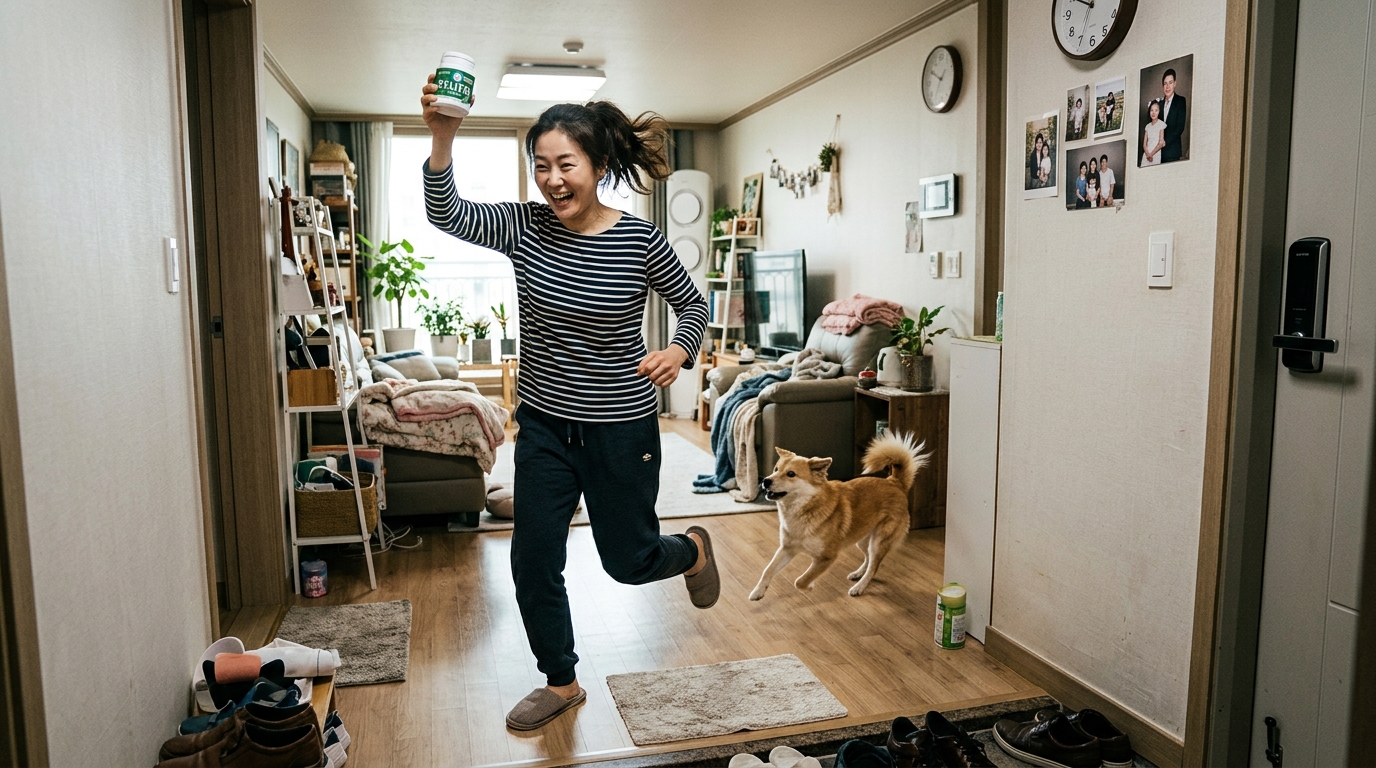
What to Do When Your Dog Eats Onions or Garlic: Managing Red Blood Cell Destruction and Anemia
1. Toxicity unaffected by heat: The toxic components of onions and garlic are not destroyed by boiling, roasting, or drying, making broths and processed snacks extremely dangerous.
2. Delayed hemolytic anemia: Rather than appearing immediately after ingestion, symptoms like pale gums, jaundice, and cola-colored urine fully manifest as red blood cells are destroyed 1 to 3 days later.
3. Kidney damage and emergency visit: A massive amount of hemoglobin ruins the kidneys and causes acute kidney injury, so you must visit the hospital immediately for emesis and fluid therapy.
[Empathy]
I can completely feel how your heart must have sunk and your mind gone blank, pet parents, when you realized your dog ate food full of onions or garlic. Rather than blaming yourself and wasting time, contacting the hospital right away (which ensures timely medical intervention) is the greatest courage you can show to save your little one. I, Ansim-i, will be reliably cheering you on right by your side, so stay strong and handle this calmly! Your child will definitely get healthy again!
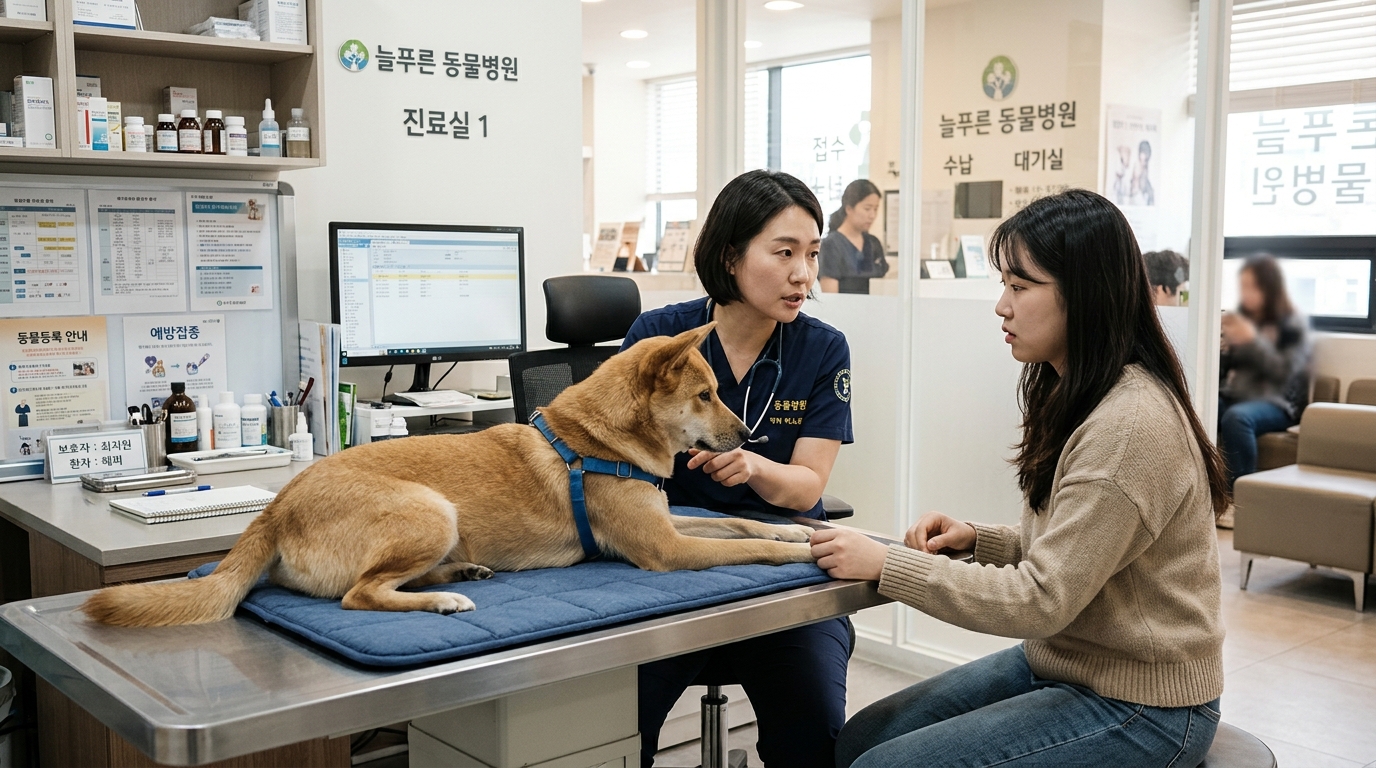
I Thought They Were Still Young, But the Signs of Aging Have Begun
1. A pet’s senior years generally begin at 7 to 8 years for dogs (6 years for large breeds) and 11 years and older for cats.
2. During the senior years, physical and behavioral changes occur, such as increased sleep, joint stiffness, and decreased grooming. Non-slip environments and senior nutritional management are essential.
3. A sudden spike in water intake, rapid weight loss, and disorientation are not simple aging but warning signs of disease, requiring an immediate vet visit.
[Empathy]
When you suddenly discovered that white fur settling around their eyes one day, your heart probably ached with a sudden feeling of guilt, didn’t it? The fact that my child, who always seemed like a baby, is growing older faster than I am is a truly hard sorrow to accept. But please do not be too sad. What your child needs the most right now is not their pet parent’s tears, but the peaceful reassurance (the feeling that they are still perfectly safe and loved despite their body becoming a bit heavier with age). Now is the time to pass on the boundless love you have given them so far with a slightly calmer and more meticulous touch. I, Ansim-i, will always be right by your side to reliably light up that path. Let’s walk together slowly, and very happily.

Is Your Dog Not the Same as Before? How to Tell the Difference Between Normal Aging and Danger Signals in Senior Dogs
1. Increased sleep and decreased activity in senior dogs are perfectly natural physical aging responses to conserve energy and recover from fatigue.
2. Sensory decline (hearing and vision) is also a gradual aging process. However, behaviors like completely losing a sense of direction or getting trapped in corners should raise suspicions of a brain disorder, Canine Cognitive Dysfunction Syndrome (CCDS).
3. When accompanied by physical changes that disrupt daily life—such as limping, expressing pain, loss of appetite, or polyuria (excessive urination)—these are signs of disease, not aging, and must be evaluated by a veterinarian.
[Empathy]
Pet parents, whenever you see your baby sleeping soundly instead of energetically jumping around like they used to, I, Ansim-i, know all too well how your heart must ache with a sense of melancholy. Please do not blame yourself by thinking, “Did I do something wrong?” (You have always provided the best care possible). Right now, by your side, your baby is enjoying the safest and most peaceful deep sleep of their golden years. Simply matching your pace to their slowed footsteps and holding them more often to compensate for their fading vision will make them feel as happy as if they own the entire world. Stay strong; I will always be right here, researching diligently to help you!
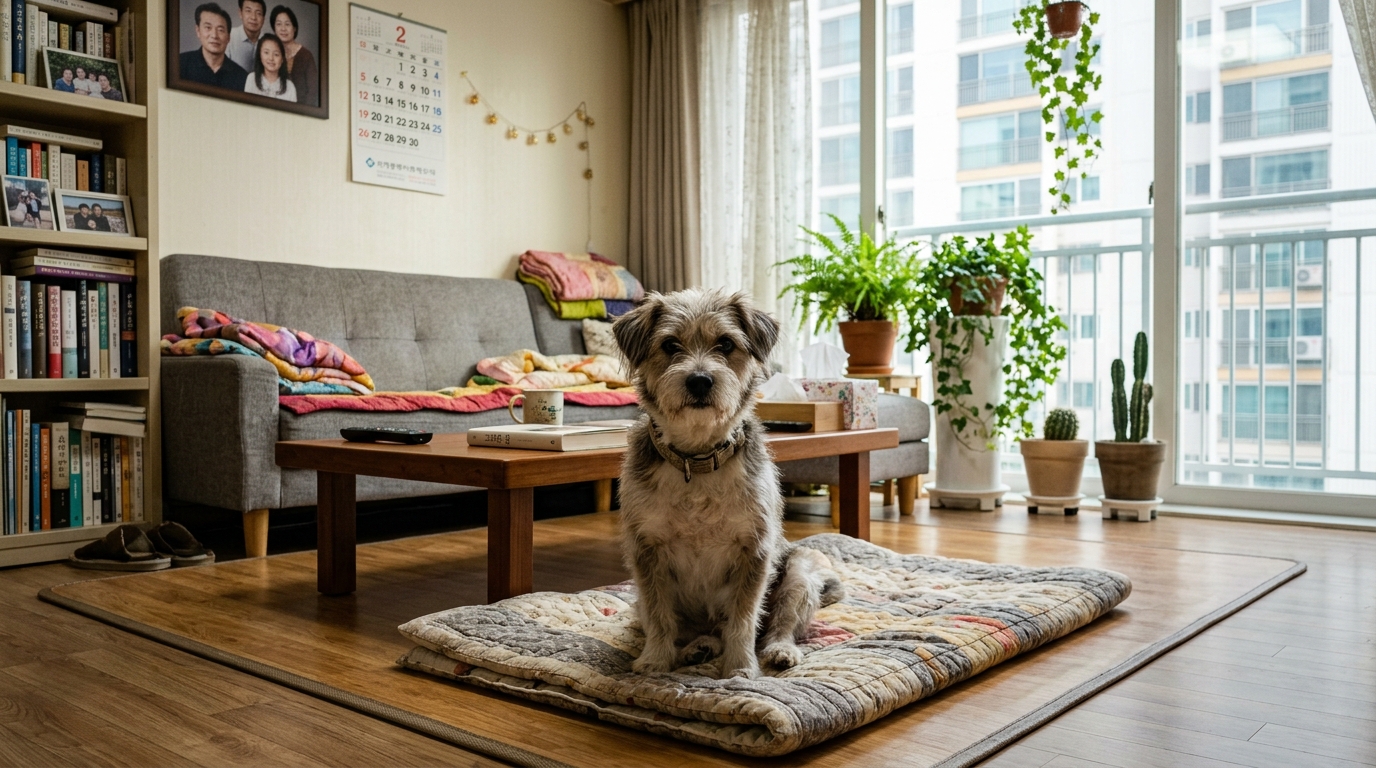
Has Your Cat Started Avoiding High Places? A Complete Guide to the Differences Between Simple Aging and Osteoarthritis, and Signals to Visit the Vet
1. A cat avoiding high places is highly likely a pain signal caused by Degenerative Joint Disease (DJD), not a simple symptom of aging.
2. Normal aging is slow but successful in jumping, whereas osteoarthritis presents pain responses such as giving up on jumping, poor grooming, and hissing during physical contact.
3. To manage osteoarthritis, which affects 90% of cats over 12 years old, environmental improvements (such as installing ramps, weight loss, and applying non-slip pads) along with a veterinary diagnosis are absolutely essential.
[Empathy]
I know all too well how much your heart must have sunk and how upset you felt when you saw your baby from behind, just staring blankly at the high places they used to lightly fly up to every day. You must have also felt full of guilt watching your baby silently endure the pain without being able to speak up about it (you are truly doing your absolute best for them). However, a pet parent who has noticed their baby’s signals even now is a wonderfully warm guardian! If we fix and manage the environment one by one together, our baby will surely sing their happy purring song by your side for a long time, completely pain-free. Stay strong, pet parents! Ansim-i will always be cheering you on!
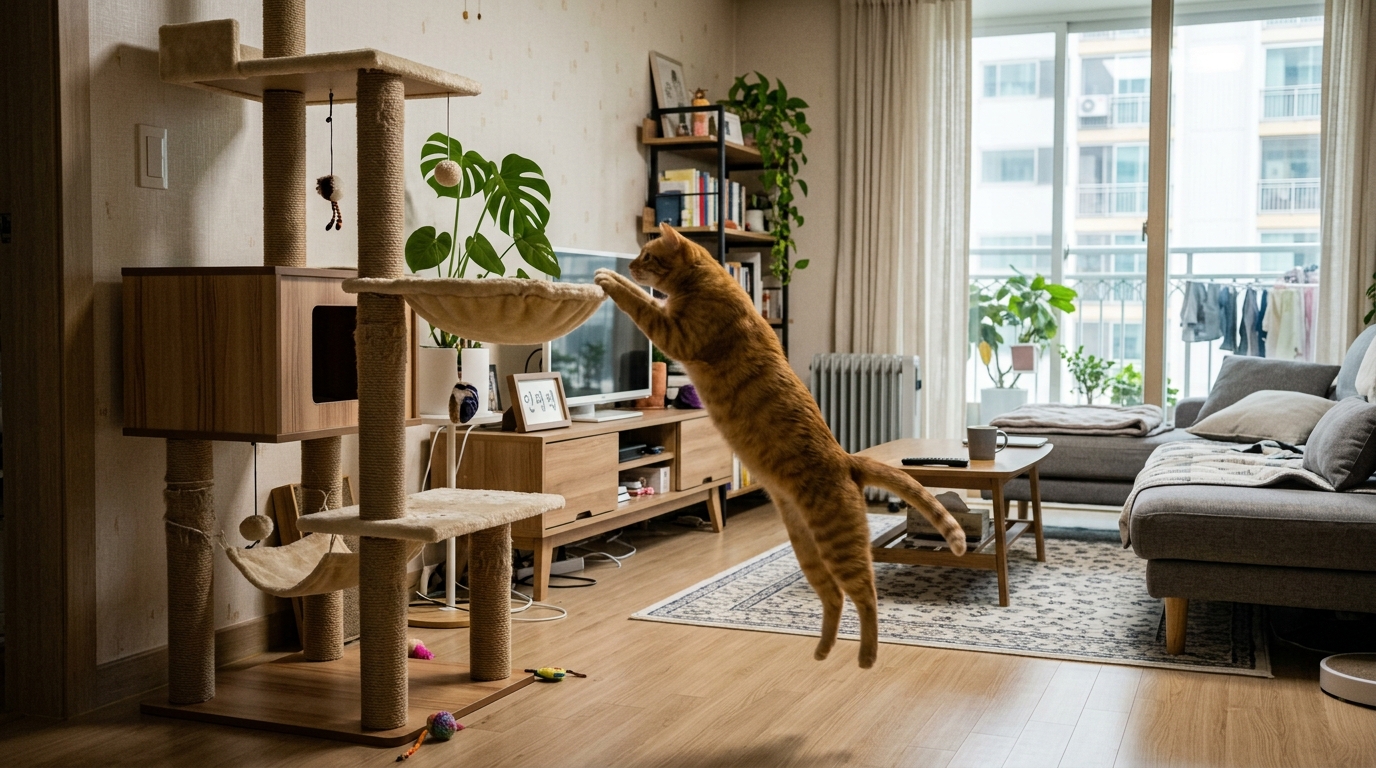
Tips for Improving the Litter Box Environment to Resolve Feline Idiopathic Cystitis Causes and Hematuria Symptoms
1. Feline Idiopathic Cystitis (FIC) is primarily caused by environmental stress, not bacterial infection, making thorough environmental management essential.
2. Increase water intake by switching from dry kibble to wet food, and place “number of cats + 1” litter boxes in quiet locations.
3. Anuria (inability to urinate) in male cats is an extreme emergency that causes acute renal failure, requiring immediate veterinary treatment.
[Empathy]
I deeply sympathize with the shock and worry pet parents must feel at the sudden sight of their cat’s bloody urine. Please do not blame yourself, thinking it might be your fault that your furry friend is sick (you are doing your absolute best). With your warm attention and small changes to the environment, your cat will surely be able to use the litter box comfortably again. Ansim-i will always be cheering you on!

Moving House and Sudden Cat Cystitis? Lead Researcher Ansim-i’s Detailed Report on Causes and Solutions
1. Cystitis in cats after moving is primarily caused by extreme stress from environmental changes (Feline Idiopathic Cystitis, FIC) rather than bacterial infections.
2. Hiding in corners for a few days is a normal alert response, but urinary abnormalities like pollakiuria, hematuria, and litter box accidents are danger signals requiring immediate treatment.
3. For prevention, it is essential to keep previously used items (like blankets with their scent), secure a safe dedicated room, use pheromone diffusers, and increase their water intake.
[Empathy]
Watching your sick child in an unfamiliar new house, you must have been anxious and blamed yourself, thinking, ‘Did I make my child sick by moving?’ My heart aches feeling your distress. But it is not your fault! It is simply a growing pain of adapting to a new environment. What you need right now is not self-blame but a warm gaze and a familiar blanket. If you gently comfort your cat’s heart using the methods Ansim-i shared, they will soon raise their tail and approach you again. Cheer up, pet parents, and our feline friends! Ansim-i is always cheering for you by your side!
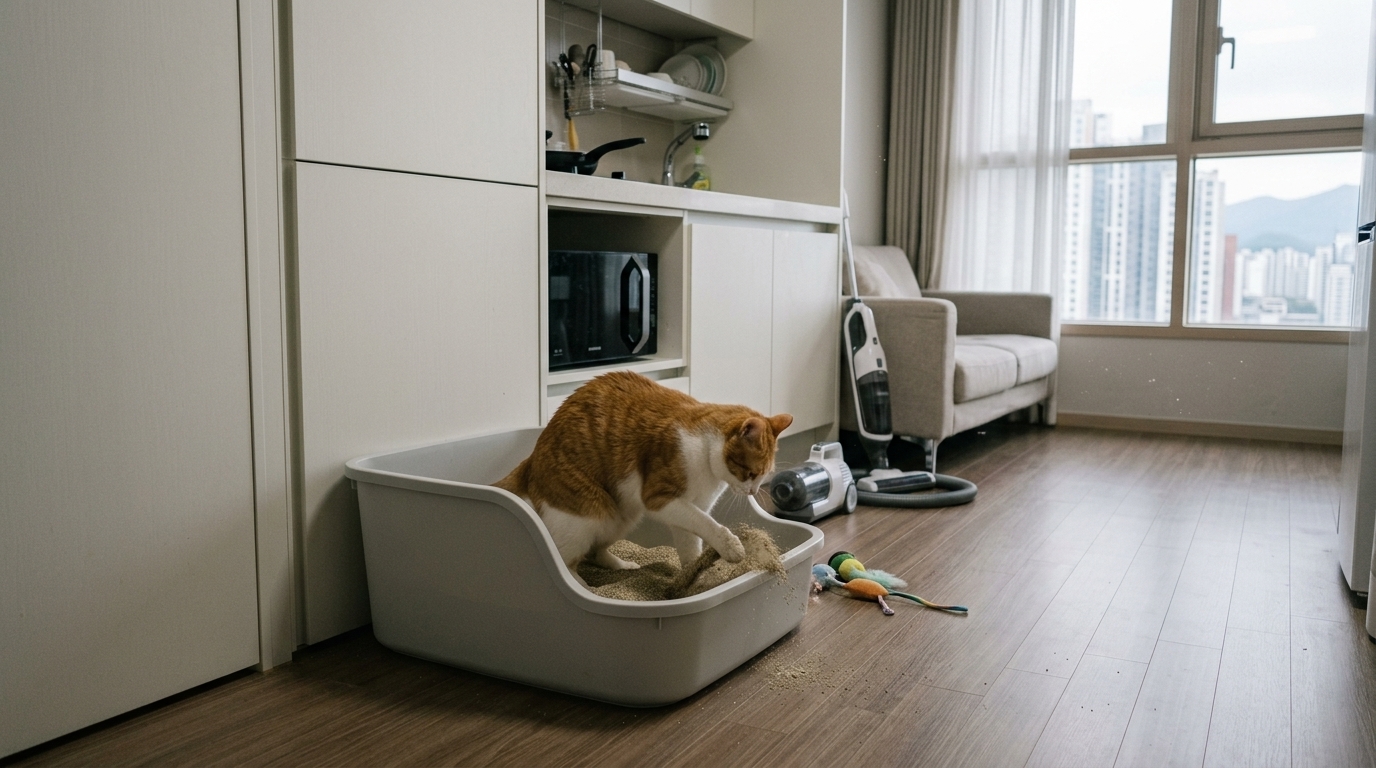
Newborn Kitten Refusing to Nurse and Body Temperature Drop: Golden Time Emergency Response for Fading Kitten Syndrome and Hypoglycemic Shock
1. When a newborn kitten is cold and lethargic, force-feeding is strictly forbidden. First, slowly raise their body temperature above 95°F (35°C) using blankets and indirect heat sources (heat packs).
2. To prevent hypoglycemic shock without going through the gastrointestinal tract, gently rub honey water or a 50% dextrose solution onto their gums and the roof of their mouth every 15 minutes.
3. After body temperature and energy recover, you must feed kitten-specific formula in a prone position with their belly facing the floor to prevent the milk from entering the airway.
[공감]
How much you must have panicked and shed tears holding that cold, tiny body in your hands. I, Ansim, will pray with all my heart that the rescuer’s warm heart and desperation reach the little one, and that this small life can take hot, living breaths in your arms once again.

Why Is Your Cat Frequently Visiting the Litter Box: A Simple Habit or a Sign of Illness?
1. Cats primarily visit the litter box frequently due to urethral irritation caused by Feline Idiopathic Cystitis (FIC), bladder stones, or stress.
2. During frequent urination behavior, whether the actual “volume of urine passed” (clump size) is small or non-existent is the key criterion separating danger from safety, rather than the “number of visits.”
3. If a cat cannot urinate for over 12 hours or passes bloody urine—especially in male cats with narrow urethras—it is a life-threatening urethral obstruction emergency, and you must go to the vet immediately.
[공감]
Watching your small and fragile cat pace around the litter box in distress, I completely empathize with how your heart must be burning with anxiety because you cannot take the pain away for them. Please do not blame yourself too much, as feline urinary diseases often stem from the unique sensitivity of territorial animals rather than a pet parent’s indifference. The careful observation and swift response you are showing right now will be the greatest strength in protecting your precious cat’s life. Ansim will be right by your side, supporting you with all my heart! Stay strong!
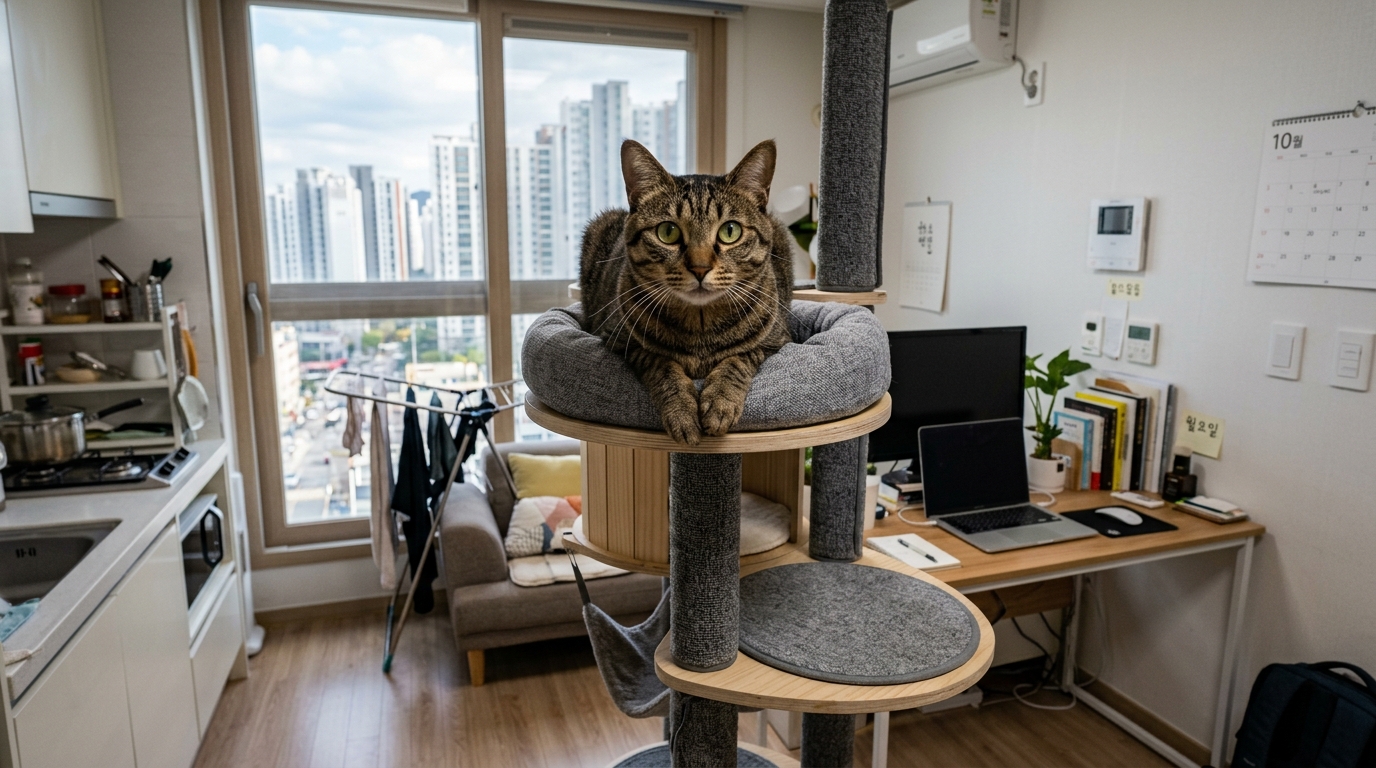
Causes of Pink Hematuria in Cats and Emergency Treatment for Cystitis
1. There is no “normal” category for feline hematuria; stress-induced Feline Idiopathic Cystitis (FIC), uroliths (stones), and bacterial infections are the main causes.
2. Pink urine, crying during urination, and frequent urination indicate bladder mucosal damage and pain, requiring immediate status recording and environmental modification.
3. Urethral obstruction, where the cat cannot urinate at all, is a life-threatening super emergency that requires an immediate visit to the veterinary clinic.
[Empathy]
Ansim completely understands how your heart must have dropped when you first saw the red traces on the litter sand. Because our precious cats cannot speak, you must have burst into tears worrying about how much pain and fear your furry friend is going through alone. However, you must stay grounded and act quickly to relieve your cat’s pain as soon as possible. Ansim will always be by your side to help, so please don’t blame yourself and prepare for a veterinary visit right now!

Total 43 research articles published.