
Behavior & Training Research Articles
Favorite Belly Rub Spots vs. Forbidden Zones: The Veterinary Reason Your Dog Hates “Belly Raspberries”
1. Veterinary Dangers of Belly Raspberries: The dense sensory nerves on the abdomen and the unique popping vibrations of a belly raspberry induce the same level of fear and stress in a dog’s brain as a predator’s threat.
2. Proper Positive Touch Areas: Avoid touching the nerve-dense lower abdomen and inguinal areas. Instead, gently stroke the lower chest and along the ribs—which are safely protected by the rib bones—using your entire palm.
3. Immediately Recognize Refusal Calming Signals: If your dog licks their lips, turns their head, or yawns frequently during physical affection, it is a clear sign of stress. You must stop touching them immediately and give them personal space to calm down.
[Empathy]
(I am sure you feel very sorry and surprised to learn that your playful “belly raspberry,” done purely out of love and finding your baby so cute, might have caused them unspeakable, extreme fear and stress). I, Ansim-i, sincerely support your warm heart as a pet parent to now fully protect that small, precious moment of trust—when your baby comes to you and defenselessly shows their belly—with a gentle touch and warm eye contact instead of vibrations and noise.

Why Does Your Cat Run Ahead of You and Suddenly Stop? Is It a Cute “Let’s Go Together!” Signal?
1. A cat running ahead and stopping is a way to seek attention, control the path, and express affection that they want to go with you.
2. If they lead with their tail straight up, it is a healthy communication signal, but if they hide in a corner with a frightened look, it is a reaction to anxiety and stress.
3. If their usual activity level suddenly drops or their walking posture is strange, it could be a sign of pain, requiring a veterinary visit.
[Empathy]
I can vividly imagine how your heart must flutter with adoration every time you see the back of your kitty running ahead and falling behind in pace with your steps! Your kitty is currently crying out with their whole body (I love my pet parent so much, and we are always together!). I, Ansim-i, support you with all my heart in fully feeling that warm love and sharing a happy connection with your little guide companion today!

Do Dogs Really Hate “Belly Raspberries”? An In-Depth Analysis of Your Dog’s True Feelings
1. To a dog, the belly is the most vulnerable and fragile area, and offering it signifies deep trust in the pet parent.
2. The sound and strong vibrations of a belly raspberry may temporarily startle a dog, but through the pet parent’s positive energy, they can recognize it as play.
3. If they show stress signals (calming signals) like a stiff body or yawning, you must stop immediately. If they wag their tail or look comfortable, you can enjoy it as light physical affection.
[Empathy]
Honestly, even I, Ansim-i, get completely startled and feel ticklish all over when my pet parent suddenly grabs my long back and blows a “pfft” on my tummy! But the moment I see that beaming, smiling face right afterward, my heart warms up and I think, “They really love me so much!” I completely understand the desire you pet parents have to express your overflowing love. Still, to keep our more timid friends from getting startled, a little consideration goes a long way—softly asking with your eyes, “Knock knock, may I?” lets our dogs fully feel the love behind the raspberry. I, Ansim-i, will always support the sweet connection between all the angelic dogs and pet parents in the world!

Why Do Dogs Sigh? Are They Upset? A Complete Guide to Dog Sighs and Calming Signals
1. Calming Signal of Comfort: A deep sigh let out while resting with closed eyes indicates extreme security and the beginning of relaxation felt during their time with pet parents.
2. Expression of Boredom and Frustration: A short sigh while wide-eyed is a complaint-filled demand that appears when expectations, such as treats or walks, are not met.
3. Checking the Possibility of Illness: If the frequency of sighing is abnormally high, accompanied by loss of appetite, trembling, or shallow breathing, physical pain should be suspected, and a veterinarian’s diagnosis is required.
[Empathy]
I deeply understand the warm love of pet parents who may have worried, wondering if they did something wrong every time their voiceless furry friend lets out a deep sigh (phew). That affectionate heart, willing to listen to even a single small breath of your child, is already the most reassuring comfort and greatest happiness in the world for your dog.

Dogs vs. Cats: Mirror Reactions, Senses, and Cognitive Abilities Explained
1. Dogs perceive the world primarily through smell, so they quickly lose interest in the scentless reflection in the mirror, not recognizing it as a real dog.
2. Because of their reliance on vision and dynamic visual acuity, cats mistake the mirrored figure for a competitor invading their territory, displaying strong vigilance.
3. While pets may not pass a visual mirror test, they clearly recognize their own identity through their primary senses (like smell). If mirror-induced stress is severe, blocking their view and using positive reinforcement training is essential.
[Empathy]
No matter how much we try to explain it to them, watching our pets fight their own reflection every day feels both adorable and a bit pitiful. If we can gently understand and embrace their extraordinary (and wondrous) sense of reading the world through smell rather than sight, their world will become much wider and warmer than the one inside the mirror.
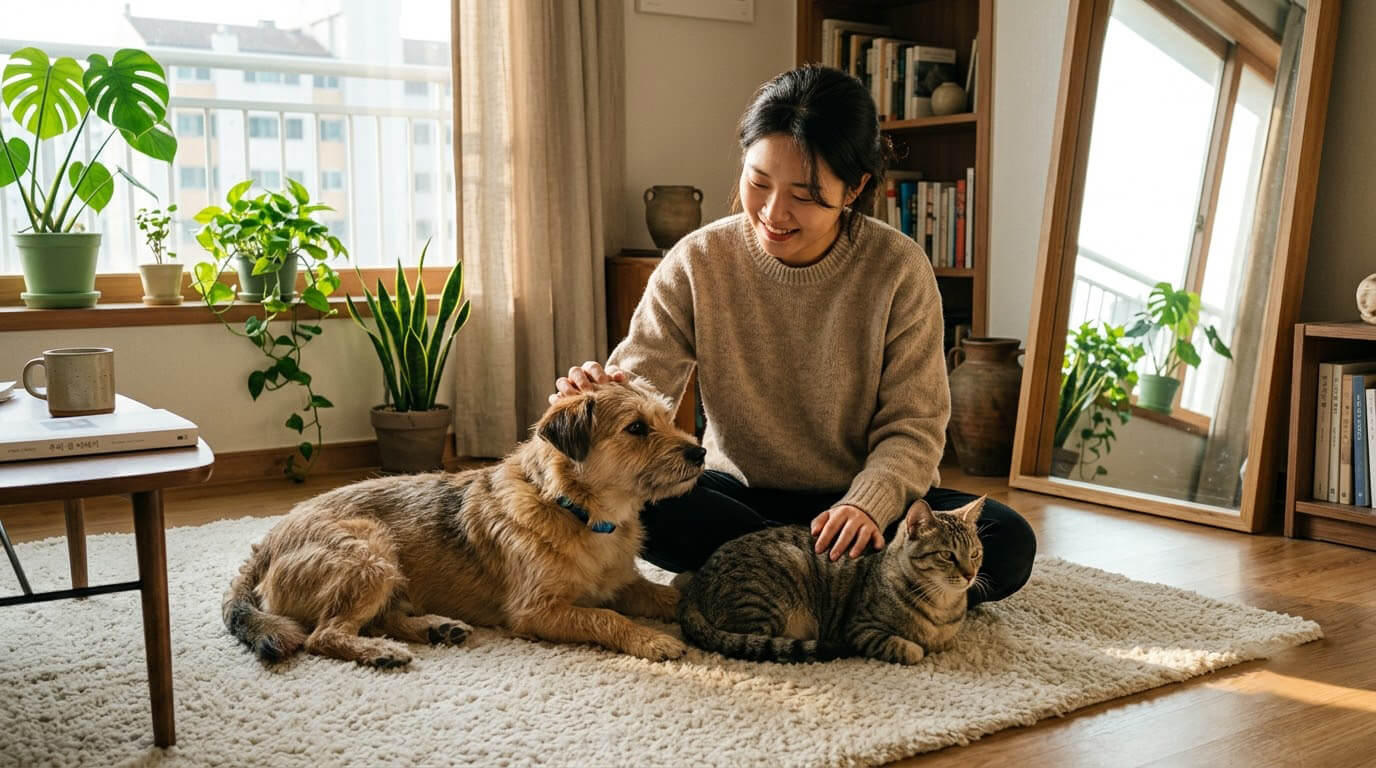
Why Dogs Bark at Strangers and Cats Hide from Guests: Is My Pet Jealous When Visitors Arrive?
1. A dog barking or mounting a guest is not jealousy, but a territorial defense instinct and a stress-relief behavior due to information overload in the brain.
2. Cats view unfamiliar body odors as an invasion by a predator and feel extreme fear. Forcing them to greet guests can trigger fatal diseases like Feline Idiopathic Cystitis (FIC).
3. Pet parents must prepare a safe zone, such as a kennel or vertical space, before the visit. Guests should maintain complete indifference toward the pet initially, and later instill a positive perception using treats.
[Empathy]
Pet parents, you have worked so hard sweating over whether your baby will bark or hide in a corner and refuse to eat every time a guest arrives, right? (You must have been upset wondering why your angel-like baby is acting this way, but the truth is, with their tiny hearts, they were just too scared, or they were desperately trying to protect our family.) Now, please soothe their frightened hearts first, and teach them how to greet the world slowly and safely using the methods Ansim-i shared today. I, Ansim-i, will always be cheering for you by your side!

Cat Camera Aversion: The Psychology Behind Cats Avoiding Lenses and Tips to Catch Their Eye
1. Cats instinctively feel threatened by the large, dark camera lens on a smartphone, perceiving it as a “predator’s eye” glaring at them.
2. Behaviors like turning their head or yawning in front of the camera are “calming signals” meaning they don’t want to fight, serving as body language that expresses stress.
3. If you want natural photos, avoid staring directly through the lens. Instead, distract them with toys or treats and utilize a silent shooting mode.
[Empathy]
Did you feel a bit disappointed every time they quickly turned their head, ignoring your desire as a pet parent to capture just one pretty photo? To think that this behavior was actually your cat’s sweet message saying, “Let’s keep the peace” (it makes their true feelings seem even more touching and adorable).

Dog and Cat Time Perception: The Secrets of How Pets Experience Time When Pet Parents Are Away and a Guide to Solving Separation Anxiety
1. Pets perceive the passage of time through the fading of scents (olfactory clock), light, and biological rhythms.
2. Dogs and cats with fast metabolisms experience time slower than humans, so time spent alone can be a major stressor.
3. To prevent separation anxiety, proactive environmental improvements are essential, such as utilizing nosework and scent-soaked clothes, as well as booking pet sitter visits through mobile platforms.
[Empathy]
Thinking of the pet’s heart as they guard the door, eagerly waiting only for their pet parents (it makes my heart ache with emotion). Now is the time when our small considerations are needed so that our pet’s day can become a joyful exploration rather than a lonely time.
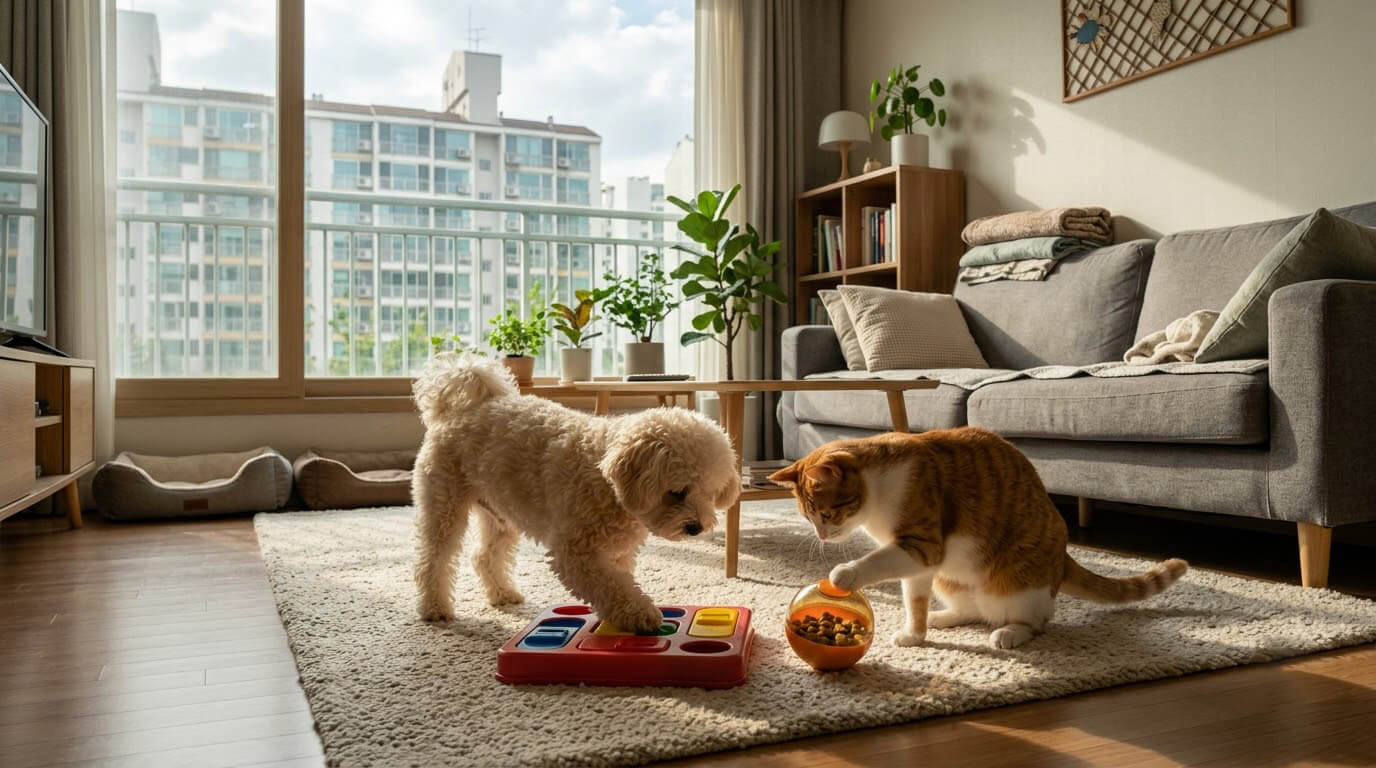
Do Dogs and Cats Recognize Pet Parents as Family? The Secrets of Separation Anxiety and Attachment Formation
1. Through fMRI brain wave studies and oxytocin secretion mechanisms, it is scientifically proven that dogs perceive pet parents as “absolute parents” with whom they perfectly emotionally bond.
2. Cats consider pet parents as “giant cats without aggression” and show deep family love by forming a “secure attachment” on the same level as human infants.
3. Because the love embedded in their behavior is so deep, separation anxiety can easily occur. Maintaining an indifferent attitude before and after outings and fostering healthy independence through nosework activities are essential.
[Empathy]
To think that our voiceless little ones have been shouting “I love you, you are my everything!” with their entire bodies (it makes my heart swell and tear up so much knowing the feelings held in their tiny hearts). Today of all days, my pet feels even more precious and dear to me.
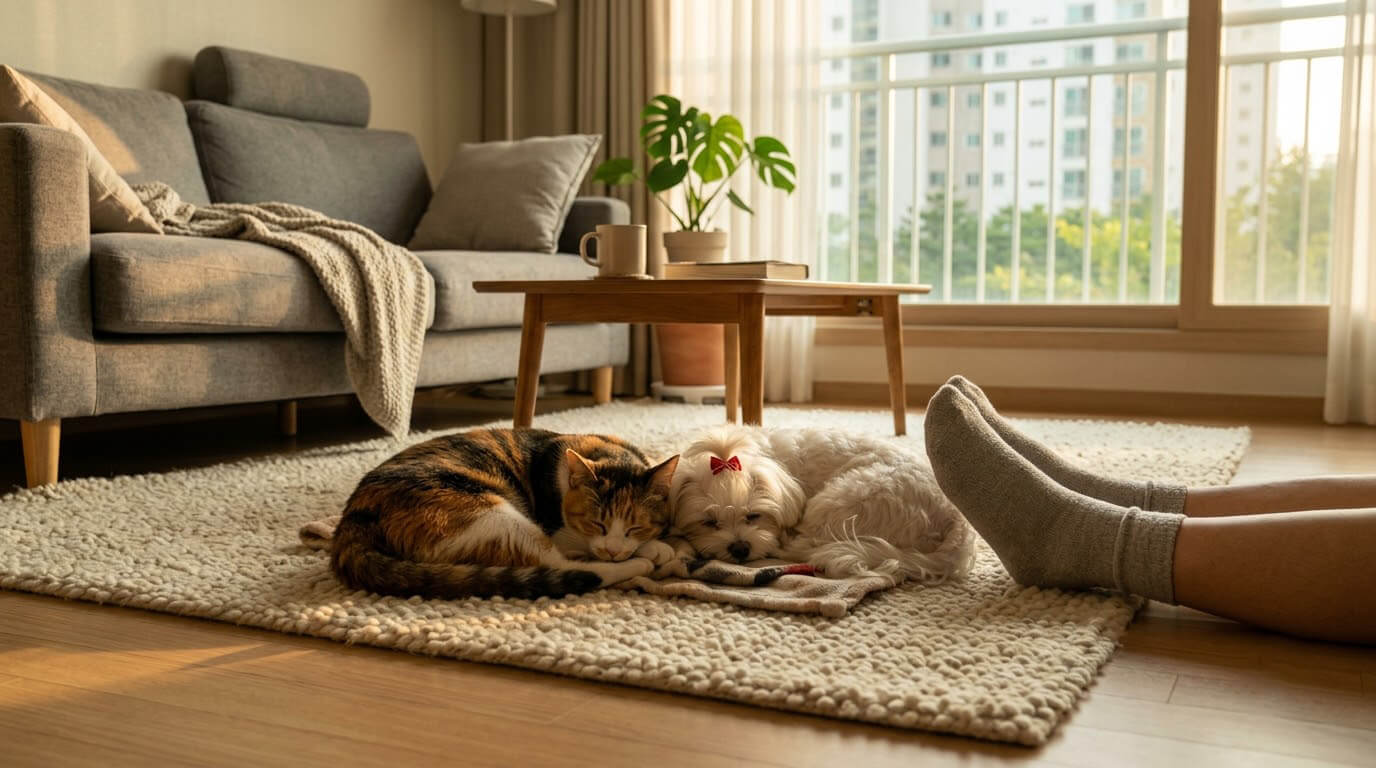
Do Dogs and Cats Understand Their Owner’s Sadness? The Scientific Truth Behind Pet Emotional Bonding
1. Dogs instantly detect sadness and stress through the smell of hormones (chemosignals) secreted due to their pet parent’s emotional changes.
2. Cats know how to grasp their pet parent’s facial expressions and voice tone, offering their own independent comfort by subtly lingering nearby or marking with pheromones.
3. Because a pet parent’s anxiety can be transferred entirely to the animal through emotional contagion and cause behavioral issues, it is important to maintain a calm and composed attitude as a leader.
[Empathy]
When pet parents shed tears, exhausted by the weight of the day, these small creatures quietly approach to share their body heat without needing grand consolations or solutions. Whether they figured it out through smell or by observing the mood (that might not even matter). Thanks to the unconditional love of our babies silently guarding our sadness, aren’t we already receiving the most perfect comfort? To our precious babies who embrace all your emotions with their whole bodies, I hope you give them the gift of a warm smile and a gentle stroke tonight.

Hormonal Changes Behind Barking at Other Dogs and Stress-Relieving Responses to Sniffing During Dog Walks
1. Encountering another dog causes adrenaline and cortisol to surge, putting the sympathetic nervous system into a state of hyper-tension.
2. Spotting a bird or cat triggers a dopamine explosion, causing the dog to feel an unstoppable predatory drive and the intense thrill of the chase.
3. Nose-work behaviors, such as deeply sniffing unfamiliar scents and scent rolling, secrete serotonin and endorphins, providing a powerful stress-relieving effect.
[Empathy]
You must have been so flustered when your furry baby suddenly turned into the Hulk! Actually, the dogs act this way because they simply cannot control their own feelings due to the hormones popping off in their heads. Instead of getting angry, take a slightly relaxed approach (saying to yourself, “Oh my, our baby’s brain is an amusement park right now!”) and gently create some distance. A pet parent’s warm understanding and patience always become the greatest tranquilizer for them!

The Perfect Guide to Dog-Friendly Restaurants, Cafes, and Walking Manners: The Standard of Petiquette
1. Thorough Preparation Before Visiting Commercial Facilities: Bring a pet carrier and belly bands, and familiarize yourself with the pet policies via reservation platforms beforehand to avoid inconveniencing others.
2. Strict Adherence to Leash and Distance Rules During Walks: Maintain a short leash under 6 feet (2m) according to local laws and strictly forbid off-leash walking to prevent safety accidents.
3. Securing the Ability to Handle Unexpected Situations: Refrain from forceful approaches when encountering unfamiliar animals. In case of external bleeding during a walk, apply pressure with clean gauze, immediately return home, and seek professional treatment.
[Empathy]
When your furry baby displays unusual and unfamiliar behavior outdoors, you must have been so flustered and upset while also worrying about what others around you were thinking, right? Please don’t blame yourself too much (you are doing great). It’s not because your dog is peculiar or bad; rather, that space was just too unfamiliar and scary, and they were simply sending a desperate signal asking for their pet parent’s help. If you take a more relaxed approach and practice step-by-step together using the methods shared today, they will definitely grow into a wonderful, well-loved, and praised dog wherever you go! Ansim-i is cheering for your unwavering, warm efforts and love with all my heart.

The Ultimate Guide: Why Your Dog Obsesses Over One Person & Separation Anxiety Training
1. Distinguishing Separation Anxiety from Attachment: If your dog’s following behavior is accompanied by fear and panic, it is not simply affection but a symptom of separation anxiety, making scientific counter-conditioning training essential.
2. Positive Reinforcement-Based Behavior Modification: Issues like doorbell barking or pulling on walks are resolved not through punishment, but by positively changing their fundamental emotional state through desensitization training and rewards.
3. Medical Approach to Senior Dog Behavioral Changes: Sudden aggression or potty accidents might be caused by pain or Cognitive Dysfunction Syndrome (CDS), requiring a veterinary diagnosis first.
[공감]
It breaks my heart to think that behind those clear eyes looking only at you, there was a hidden, secret anxiety. With your warm efforts and patience in trying to understand your dog’s heart, your furry friend will surely regain a peaceful and happy daily life. I will always sincerely root for the peaceful days of you and your dog!

Why Do Dogs Sigh? Is It Simply an Expression of Emotion, or a Red Flag from Their Body?
1. Natural Physiological Phenomenon: A sigh let out when comfortable is a normal response that expands collapsed alveoli, facilitates oxygen supply, and helps secrete pulmonary surfactant.
2. Understanding Emotions Through the Eyes: A sigh with closed eyes means deep relief and satisfaction, while a sigh let out while staring with open eyes is a sign of boredom and frustration.
3. Warning of Heart and Respiratory Diseases: If sighing is abnormally frequent and accompanied by a goose-honking cough, breathing difficulties, or cyanosis, you should suspect heart disease or tracheal collapse.
[Empathy]
Every time your dog lets out a deep sigh, I can completely feel your kind heart worrying and blaming yourself, thinking, ‘Are they bored and frustrated because of me?’ However, that sigh is sometimes a profound confession of relief, meaning that your dog feels completely safe and peaceful by your side. Thanks to the infinite love you pour out as a pet parent, your dog is breathing very peacefully again today. Ansim will always be right by your side, strongly supporting that warm love!

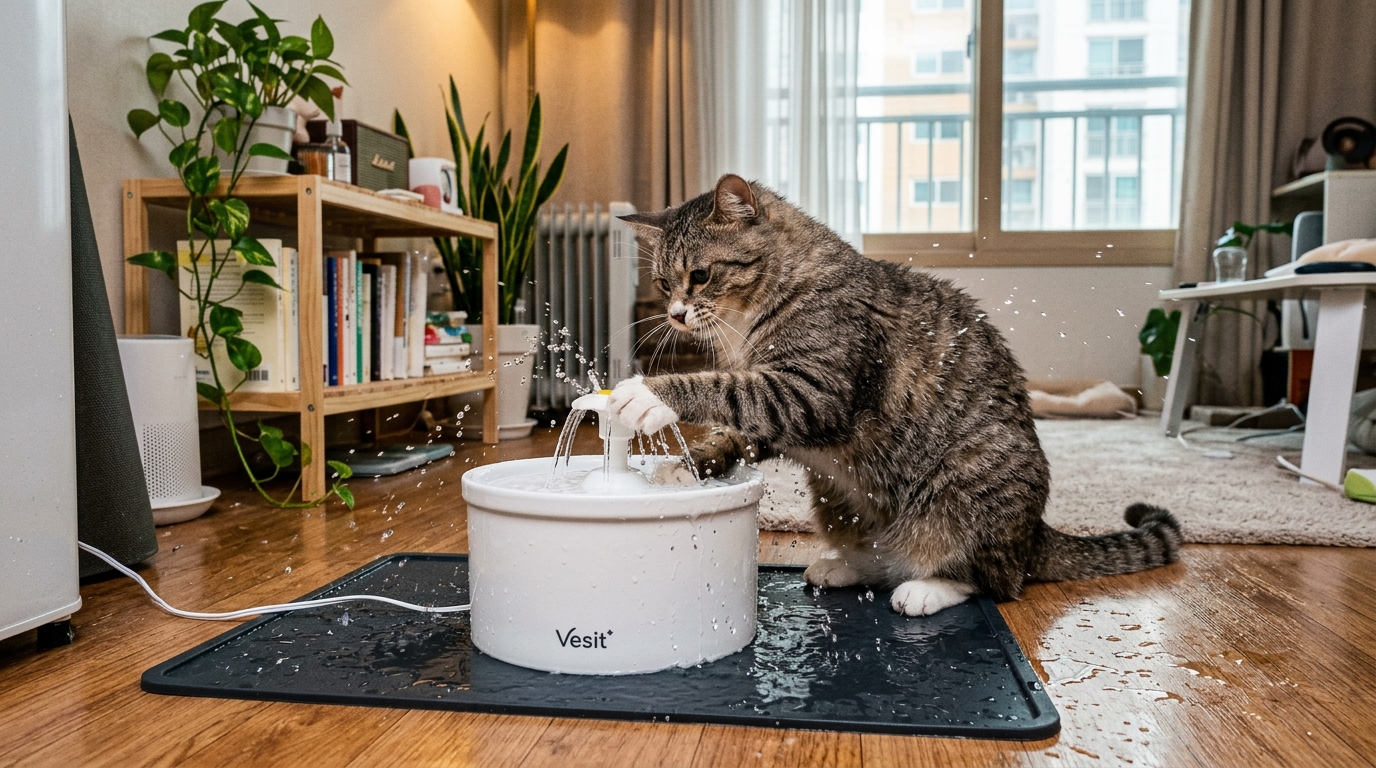
Veterinary Reasons Why Cats Dip Their Paws in Water Before Drinking & Tailored Solutions for Pet Parents
1. Inducing Ripples to Measure Water Level: Because their close-range vision is weak and they cannot see the transparent water boundary, they create ripples with their paws to gauge the depth.
2. Avoiding Whisker Fatigue: This is an action to safely lick water off their paws to avoid the unpleasant sensation of their sensitive whiskers touching the narrow rim of a bowl.
3. Preventing Urinary Tract Disease Risks: Prolonged refusal to drink water leads to Feline Idiopathic Cystitis (FIC) or urethral stones, causing acute uremia. Therefore, improving the bowls and separating the spaces are absolutely necessary.
[공감]
I can clearly see the troubled heart of a pet parent, sighing while chasing around with a mop, watching your cheeky feline friend dip their paws and create a puddle every time. However, behind that cute rebellion hid the cat’s own untold story of simply wanting to drink water more safely and comfortably. If you generously widen their bowls and move their locations, your cat will express their gratitude with their whole body and happily lap up their water. Ansim will always root for a peaceful journey with your feline companion! 🐾
Do Dogs and Cats Lie? Learned Malingering and Veterinary Differential Diagnosis
1. Conditioned Response: They cannot tell moral lies, but it is a “positive reinforcement” learning process that recreates the successful memory of when your love and treats poured out after they acted sick.
2. Differentiating Limping: If they drag their leg even when given treats or watched from afar, or feel pain when touched, suspect patellar luxation or disc disease.
3. Pathological Polyphagia: If they act starved despite just eating, it could be a sign of endocrine system diseases like Cushing’s disease or diabetes.
[공감]
I can see the sad look in your eyes, having worried and fretted as if your heart was breaking when your dog limped and acted in pain. However, seeing the image of you laughing helplessly at the little rascal who hops like a bunny as soon as you hold out a treat, I also feel a cute sense of relief. Our little ones, who accurately pierce through your infinite kindness to perform, are truly geniuses! Ansim is rooting for you to have a happy day, cuddling your little one who acts out because they want to be loved! 🐾

Do Dogs and Cats Dream? Veterinary Evidence and Analysis of Sleep-Talking
1. Dreams Proven by Brainwaves: Dogs and cats go through the same REM sleep cycles as humans, processing memories and cleansing the brain through dreams.
2. Distinguishing Sleep-Talking from Seizures: Normal sleep-talking results in the pet waking up and regaining consciousness when called loudly or stimulated, whereas epileptic seizures cause the body to stiffen and remain unresponsive to any stimulus.
3. Never Forcibly Wake Them: Forcibly shaking a pet awake during a dream triggers a “fear response” (defensive instinct), which can lead to biting; when you must wake them, call their name gently to redirect their attention.
[Empathy]
I can deeply feel the love you have, keeping watch by your pet’s side while your heart races, wondering if they are sick or having a nightmare when they whimper or tremble in their sleep. However, that twitching is just a cute trace of them excitedly running through that happy walk you shared earlier today in their dreams. You, as a parent who provides shade so your child can have sweet dreams with peace of mind, have the warmest heart in the world. Ansim will always root for your happy nights together!
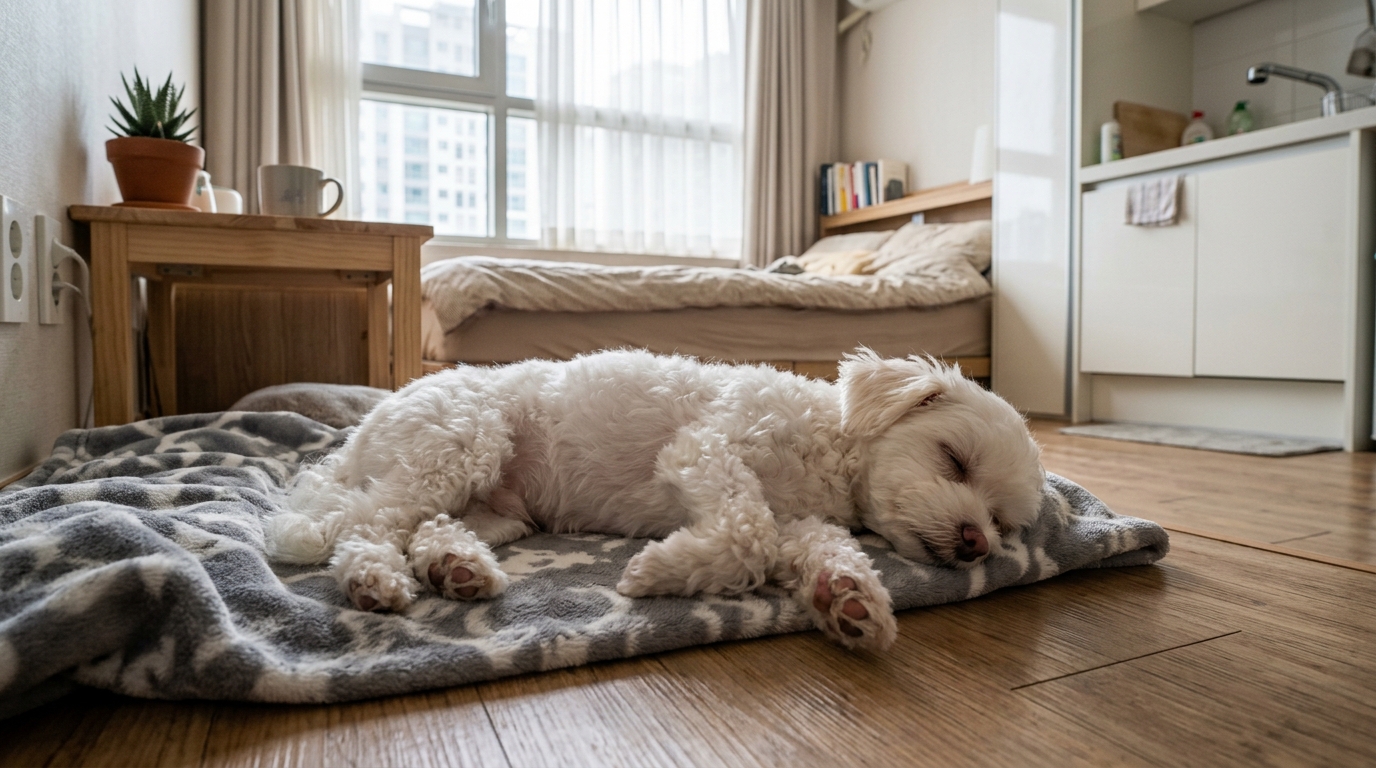
The Scientific Reasons Why Pets Locate and Lick Your Painful Areas
1. Pets accurately identify painful spots by sensing internal chemical changes (VOCs, stress hormones) and minute changes in body temperature with their extraordinary senses.
2. The behavior of licking painful areas is an expression of wild instincts to treat wounds and social bonding to comfort and reassure their pet parents.
3. Because there is a risk of secondary infection and delayed wound healing due to harmful oral bacteria, you must gently discourage your pet from licking the wound directly.
[Empathy]
The warmth in their eyes as they quietly stay by your side, sniffing you as if worried about your pain. The love of our companions, who feel our pain and suffering with their whole body before anyone else and try to comfort us, seems to possess a healing power stronger than any medicine. Why not simply accept their heartfelt intent and whisper your love back with a warm hug? Pet parents, please take care and stay healthy!
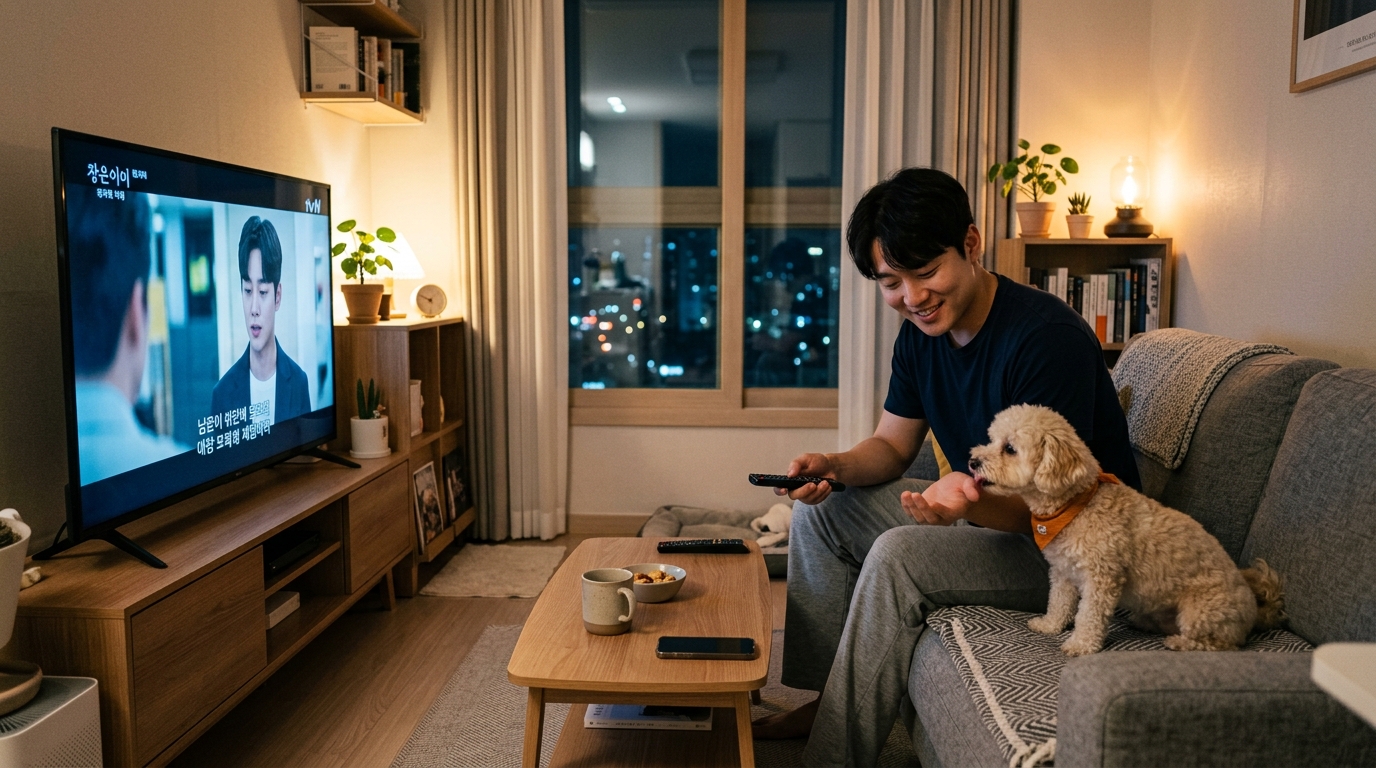
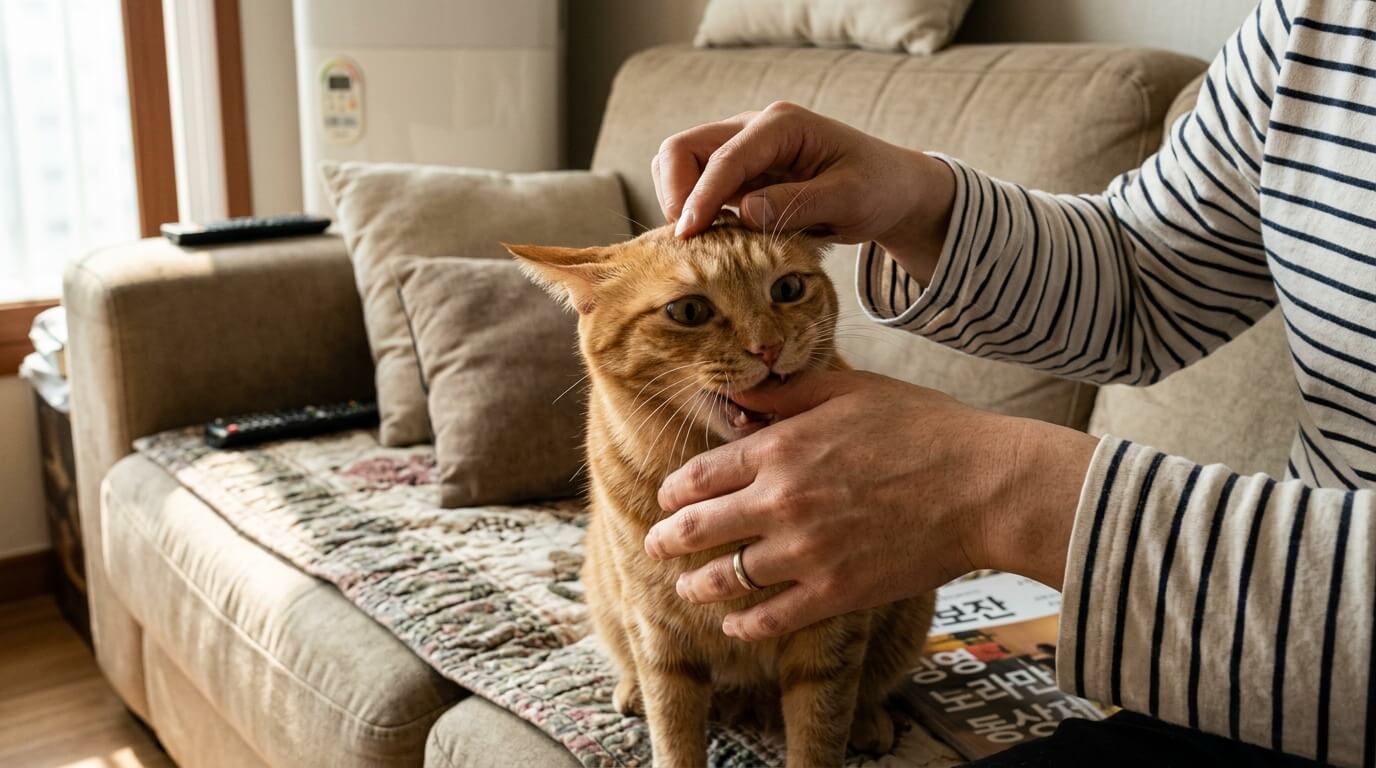
Why Do Cats Bite When Being Petted? Dealing with “Petting Aggression” That Happens Mid-Purr
1. The reason cats bite while being petted is due to sensory overstimulation.
2. Make sure to identify warning signs such as tail thumping or ears pinned back before they bite.
3. Stop petting immediately upon seeing warning signs, and consult a veterinarian if you suspect a persistent pain response.
[공감]
For the pet parents who were startled and saddened because your little one suddenly bit you and ran away: Please don’t be hurt. It’s not that your cat hates you; they just became overstimulated and were clumsily expressing, “I want to rest now.” If you listen a little more closely to your cat’s small signals, you will be able to share even warmer and more peaceful interactions without any biting in the future!
Canine Coprophagia: Understanding Why Dogs Eat Poop and Correcting Nutritional Deficiencies & Behavioral Stress
1. Canine coprophagia may have medical causes, such as a lack of pancreatic enzymes or parasitic infections, so please check for nutritional deficiencies through a veterinary examination.
2. Clean up feces immediately after elimination, and rather than scolding, implement positive reinforcement[cite: 1, 2] training to encourage the dog to come to the pet parent using treats.
3. Actively encourage outdoor elimination and provide plenty of walks and nose-work activities to relieve indoor stress.
[공감]
I deeply empathize with the hearts of pet parents who must have been greatly shocked and upset upon witnessing their dog’s coprophagia right before their eyes. This behavior is not your dog trying to disappoint you; it is an unfortunate survival instinct as they attempt to fulfill a nutritional or psychological deficiency on their own. Please do not blame yourself or feel impatient. If you approach them with calm environmental management and a warm perspective, they will certainly regain healthy and proper habits.

Total 28 research articles published.