

If Your Dog Suddenly Lifts a Hind Leg, You Must Check This! A Self-Diagnosis Guide for Patellar Luxation
Magentalab Research Team
August 1, 2026
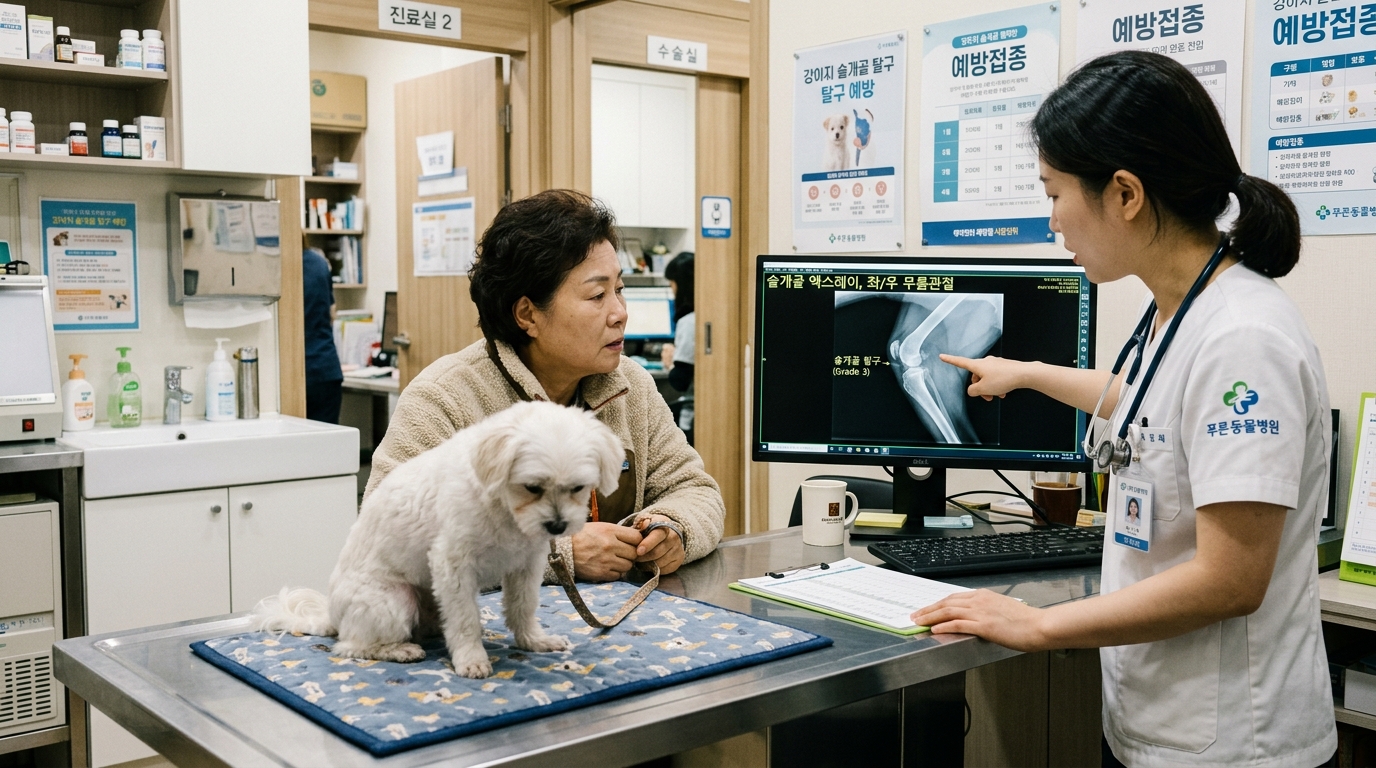
Hello! I am “Ansim,” a Dachshund and Senior Researcher at the Magentalab Pet Research Institute! As a dog with a long back and short legs, I am more serious about joint health than anyone else, and today I bring you a very important topic.
Pet parents, have you ever seen your dog suddenly lift one hind leg and hop on three legs while walking outside or running around the house? If you casually brushed it off thinking, “Oh, it stopped after a moment. Did they step on a thorn?”, you really need to pay close attention! This is because it is the most common early sign of patellar luxation (luxating patella) that pet parents miss.
Today, let’s figure out with Researcher Ansim whether this is just a simple habit or an SOS signal coming directly from your dog’s knees!

| Type of Leg-Lifting Behavior | Actual Psychological & Physical State | Key Suspicious Symptoms for Pet Parents to Check | Researcher Ansim’s Proper Response |
| Temporary discomfort | Normal (Gait immediately recovers once the cause is removed) | Gum or thorn stuck in the paw pad / Irritation from winter de-icing salt (calcium chloride) | Immediately remove the foreign object and wash the paw pads with warm water |
| Medial Patellar Luxation (MPL Stage 1–2) | Progressive Stage (Aggravation of a congenitally shallow trochlear groove) | Periodically shakes the hind leg or hops on three legs | Install non-slip mats indoors, set up slide ramps next to beds and sofas |
| Chronic Patellar Luxation (MPL Stage 3–4) | Severe (Constant luxation and high risk of cranial cruciate ligament rupture) | Legs become bow-legged (O-shape) / Walks with a lowered, awkward posture | [Emergency] Stop home management and visit a veterinary clinic immediately for a precise X-ray exam |
1. Why Dogs Lift Their Hind Legs: Simple Habit vs. Patellar Luxation
There are more reasons than you might think for why a dog lifts their leg. It could genuinely be a temporary discomfort, but there is also a very high chance that it is a signal of joint disease.
1) Temporary Behavior or Minor Habit
Not every leg-lifting behavior indicates an illness. Dogs may temporarily lift their legs in the following situations:
-
Foreign objects on the paw: They will lift their leg if it feels uncomfortable due to gum, grass, thorns, or winter de-icing salt stuck between their toes.
-
Marking territory: Male dogs, in particular, will hike one leg high to keep their balance while urinating.
-
Temporary muscle cramp: Just like humans, sudden movements can cause a temporary muscle spasm, leading them to limp.
2) The Silent Genetic Disease: Medial Patellar Luxation (MPL)
If there are no foreign objects and they are not urinating, yet they “shake out” their hind leg or hop on three legs for a few steps before walking normally again, you should strongly suspect Medial Patellar Luxation (MPL).
The majority of small breed dogs are born with a genetic defect where the trochlear groove at the bottom of the thigh bone (femur) is extremely shallow. When a dog repeatedly lives on slippery indoor flooring and performs vertical jumps in this condition, the ligaments holding the kneecap (patella) cannot withstand the strain, causing the kneecap to slip out of the groove (luxation). The moment the bone slips out, temporary pain and mechanical catching occur, causing the dog to quickly lift their leg.

2. How to Distinguish Between Normal and Dangerous Conditions?
This is the part that pet parents find the most confusing! “My dog lifted their leg but was running around fine right after!” You are correct. Early-stage patellar luxation looks normal because the pain disappears once the bone slips back into place. However, if left untreated, it progresses into osteoarthritis, so you must learn to distinguish the signs.

1) Characteristics of Normal Leg-Lifting Behavior
Leg lifting caused by normal discomfort disappears immediately once the cause is removed.
-
If you check the paw and remove the foreign object, they will walk perfectly on all four legs right away.
-
If they temporarily lifted their paws because the ground was too cold during winter, they will improve immediately once brought to a warm place.
2) Danger Signals to Suspect Illness (Symptoms by Stage of Patellar Luxation)
Medial Patellar Luxation is divided into four stages based on the symptoms and how constantly the kneecap is dislocated.
-
Stage 1 (Early): They walk normally most of the time but occasionally limp or frequently stretch their hind legs straight back. The kneecap luxates when pushed by hand but returns to its normal position on its own when released.
-
Stage 2 (Progressive): The classic “bunny hopping” (lifting one hind leg up and skipping) is periodically observed during walks or while moving indoors. You may hear a “popping” sound from the knee. The pain subsides when the dislocated bone goes back in, allowing them to walk fine again. (This is the critical “golden time” when pet parents spot the issue the most.) You must never let your guard down just because your dog walks well again after lifting their leg. The pain hasn’t simply vanished; it could be a terrifying signal that the articular cartilage is wearing down and grinding together while the bone remains dislocated.
-
Stage 3 (Severe): The kneecap is permanently luxated outside the trochlear groove. It barely goes back in even when forced manually, and pops right back out as soon as the knee bends. The knee alignment completely collapses, making it easy to develop a secondary complication of Cranial Cruciate Ligament (CCL) rupture inside the hind leg. The dog will walk with an awkwardly lowered, crouching posture.
-
Stage 4 (Terminal): The kneecap is constantly luxated and will not return to its place even with human force. The axis of the femur and tibia is completely twisted, causing the hind legs to deform into an O-shape (bow-legged). Due to extreme pain, the dog will refuse to walk at all.
3. How to Check Your Dog’s Knee Health at Home in 1 Minute
Here are Researcher Ansim’s top tips to safely check your dog’s knee condition at home before heading to the vet clinic!

1) Gait Analysis (Observation of Walking Style)
Let your dog walk on a flat surface and observe their gait from behind.
-
When viewed from behind, do their hips sway excessively from side to side as they walk?
-
Is one hind ankle bent inward or curved like an O-shape (bow-legged)?
-
Do they have a distinct habit of lightly kicking or “shaking out” one hind leg while walking?
If any of the above apply, there is a high chance that patellar luxation is actively progressing.
2) Knee Palpation (Please proceed very gently!)
Do this when your dog is comfortably lying down or standing. Lightly pinch the round circle (patella) at the front of the knee joint with your thumb and index finger.
-
Caution: You must absolutely not press down with force! Dogs with weak joints can experience severe pain. If they growl or yelp just from being touched, you must stop immediately.
“When this happens, go to the vet without hesitation!” Situations Requiring Urgent Veterinary Consultation
If any of the following Red Flags appear, you must stop all home management and immediately visit a trusted veterinary clinic for an X-ray examination.

-
Persistent limping: When the leg-lifting behavior repeats multiple times a day or the limping lasts for several days.
-
Inability to bear weight: When they cannot put any weight on the painful leg and continuously hold it up.
-
Screaming when picked up: When they yelp or scream in pain if you touch their hind legs or knees while picking them up.
-
Sudden drop in activity: When they refuse their usually beloved walks or tug-of-war games and just want to lay down.
4. Researcher Ansim’s Guide to Preventing and Managing Patellar Luxation
Patellar luxation has a very strong genetic component, but through consistent daily lifestyle management, you can slow down its progression and even prevent the need for surgery!

-
Install non-slip mats: Slippery indoor floors are the biggest enemy of a dog’s knee joints. Please make sure to lay down non-slip mats on the paths where your dog usually runs.
-
Groom paw pads and nails: Long hair between the paw pads makes them slip easily. Please trim the paw pad hair at least once every two weeks and keep their nails neatly clipped.
-
Maintain an optimal weight: Weight gain deals a direct blow to the knee joints. Obesity rapidly worsens patellar luxation, so please maintain an optimal weight through diet control and regular walks.
-
Prevent vertical jumping: Jumping off sofas or beds puts immense shock on the knees. Please make sure to install dedicated pet ramps or stairs.
-
Provide joint supplements: Consistently giving joint supplements containing Glucosamine, Chondroitin, and Green-lipped mussel is a huge help in protecting joint cartilage.
The wisest method is to protect our beloved dogs’ legs before they start hurting. You will keep a close eye on your dog’s walking style starting today, right? Ansim always cheers for the happy and healthy journey of pet parents and their dogs! This has been Researcher Ansim from Magentalab!
Recommended Research Data 🕸️
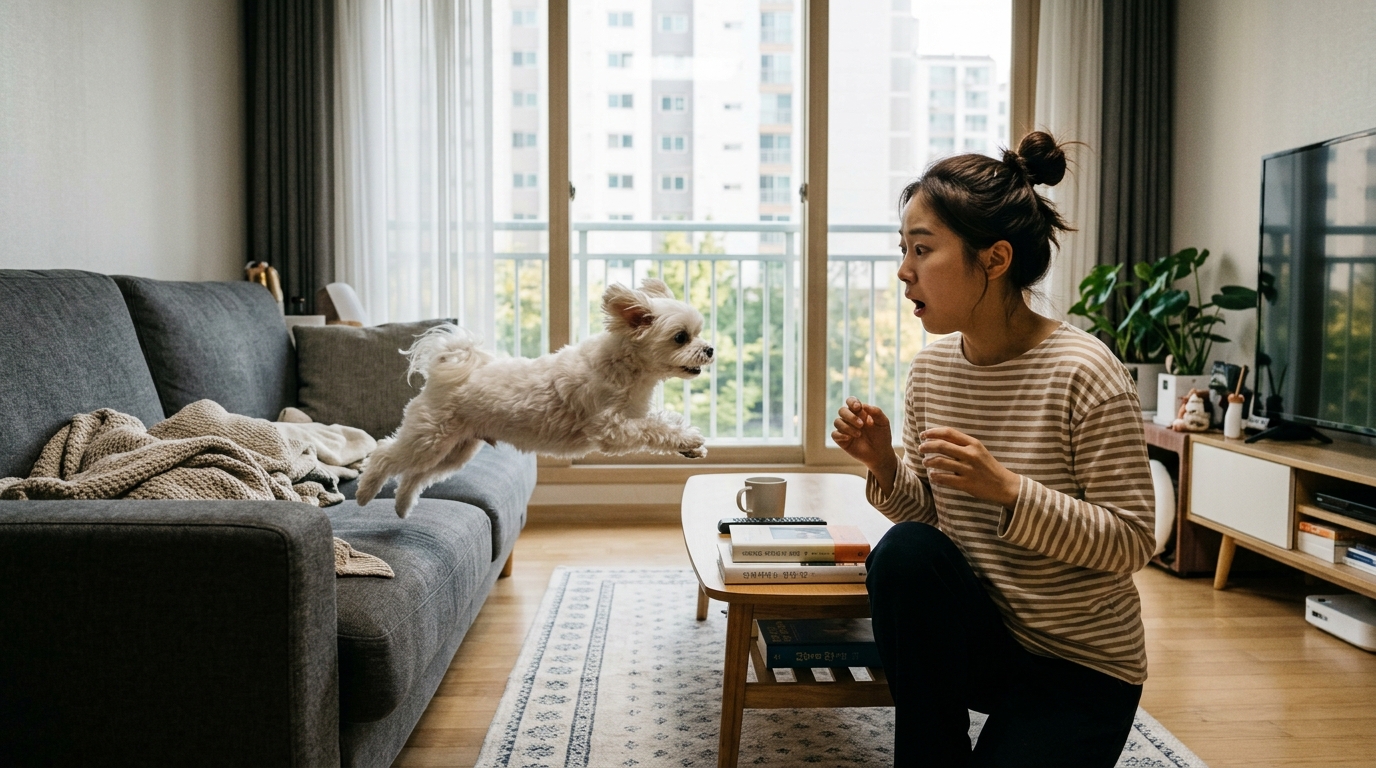
This Daily Habit Can Ruin Your Dog’s Kneecaps: The Truth About Sofa Jumping and How to Prevent It
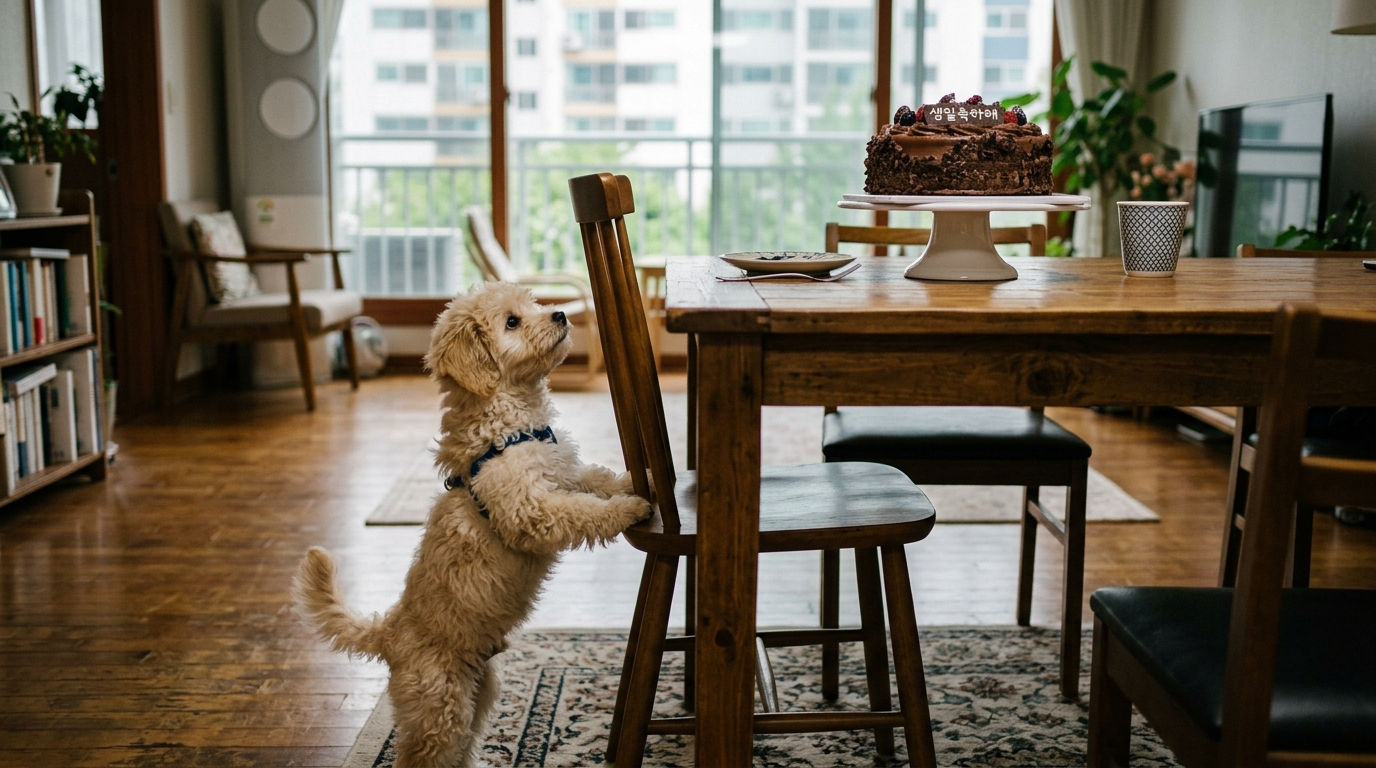
What to Do When Your Dog Eats Chocolate: Why It Is Dangerous and When to Visit the Vet
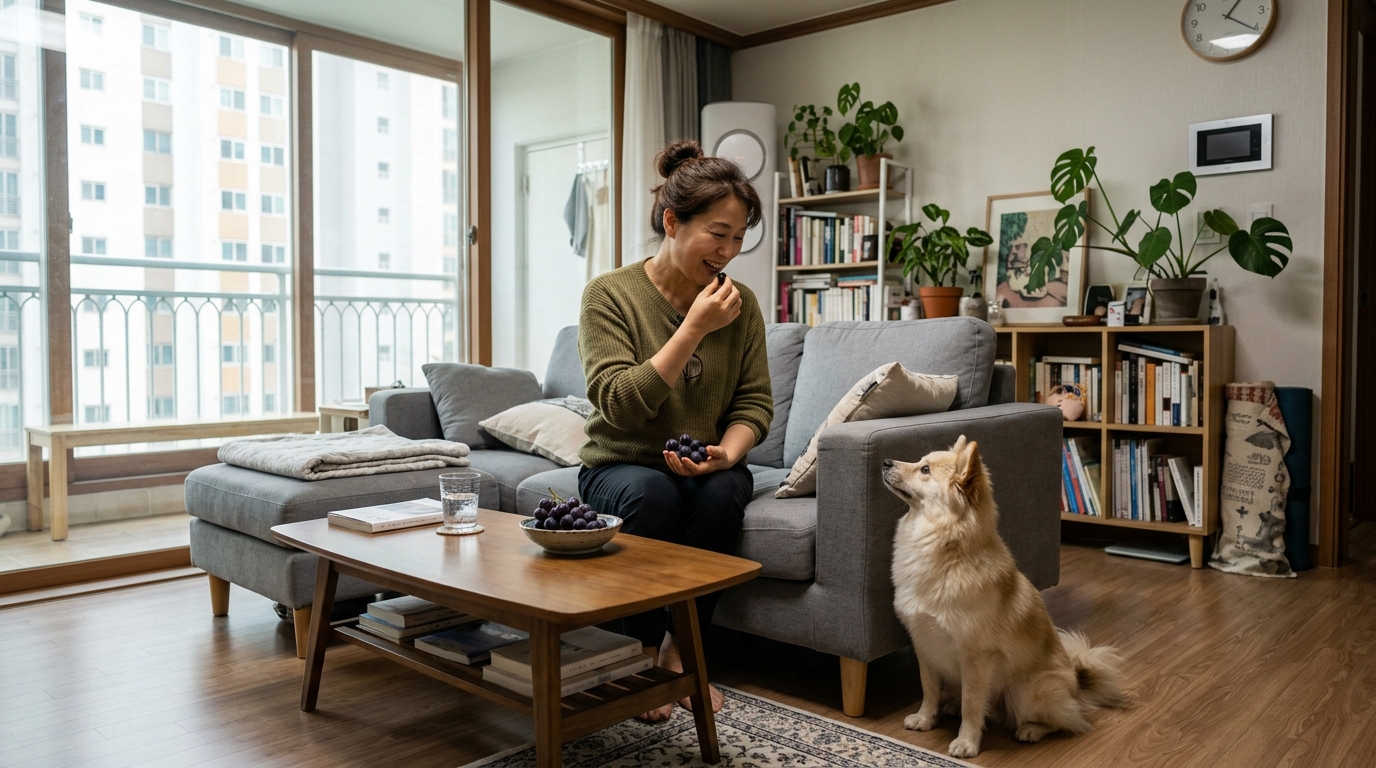
What If Your Dog Eats Grapes or Raisins? The Dangers of Acute Kidney Injury and Emergency Response Guide
Comments (0)
No comments yet. Be the first to leave one!