

This Daily Habit Can Ruin Your Dog’s Kneecaps: The Truth About Sofa Jumping and How to Prevent It
Magentalab Research Team
August 1, 2026
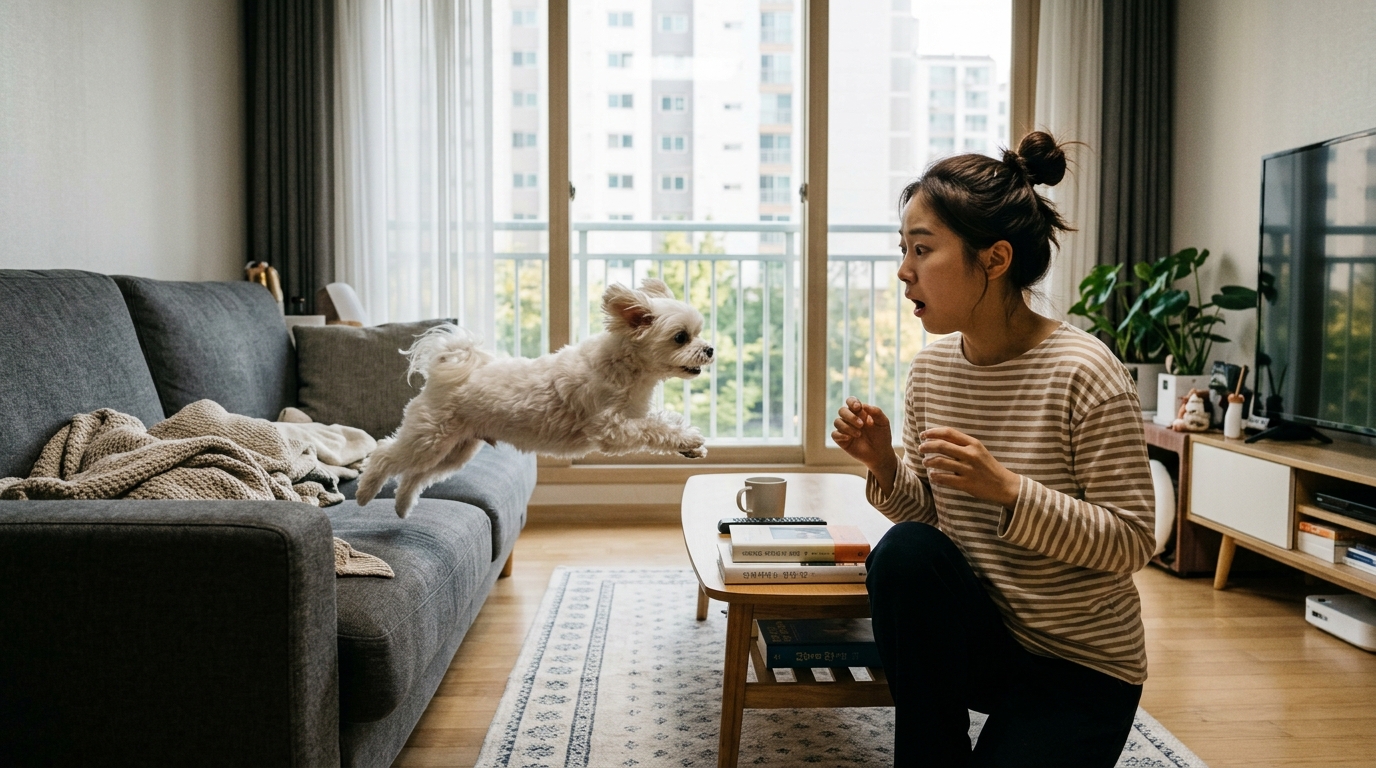
Hello! I am “Ansim,” a Dachshund and Senior Researcher at the Magentalab Pet Research Institute, and your reliable joint health guardian! Today, as always, I’ve adjusted my round horn-rimmed glasses and picked up my golden magnifying glass, dedicating myself to research for the health of our precious dogs.
The topic we are going to dive into today is the main culprit that makes pet parents’ hearts drop dozens of times a day: “jumping off sofas and beds.” Have you ever thought, “Well, every dog jumps, so it should be fine,” or “My dog has strong legs, so they are okay”? However, as a Dachshund with a long back and short legs, I know with my entire body just how fatal this jumping can be. Today, based on fact checks and scientific evidence, I will uncover all the secrets of patellar luxation!
—

1. The Impact of Jumping on a Dog’s Joints and the Mechanism of Patellar Luxation
Watching our dogs effortlessly launch themselves off the sofa might look healthy. However, the very moment they land, a massive shock is delivered right inside their knee joints.
The Impact of a Vertical Drop on the Knee Joint
The amount of shock generated when a dog jumps from a sofa or bed to the bare floor far exceeds their own body weight. According to biomechanical studies, the instantaneous load applied to the joints upon landing from a vertical drop is about 3 to a maximum of 5 times their body weight. For example, if a 5kg (11 lbs) small dog jumps off a sofa, a massive 15 to 25kg (33–55 lbs) of shock is instantly concentrated on their knees and shoulders. If this vertical impact is repeated daily, micro-damage to the articular cartilage and ligament wear become unavoidable consequences.
The Real Cause of Patellar Luxation
The patella (kneecap) is a gliding bone that fits perfectly into a groove at the bottom of the thigh bone (femur) called the trochlear groove, acting as a smooth pulley. Small breed dogs popular in many households, such as Maltese, Pomeranians, and Toy Poodles, are born with a genetic vulnerability where this trochlear groove is extremely shallow. When a dog repeatedly jumps off sofas onto slippery indoor floors with such an unstable knee structure, the ligaments supporting the patella stretch out, causing the bone to slip inwards. This rapidly worsens into “Medial Patellar Luxation (MPL).”
—

2. Why are Small Dogs at a Higher Risk Than Large Dogs?
I frequently receive this question: “Researcher Ansim, the Retriever next door jumps around with no problem, so why is only my Maltese suffering from patellar luxation?” There is a sad scientific secret hidden here.
Genetic Vulnerability and Anatomical Differences
Small breeds like Maltese, Pomeranians, Poodles, and Chihuahuas are congenitally born with a very shallow trochlear groove (the groove where the patella sits). Compared to large dogs, they also severely lack the muscle mass to hold the bones in place. On top of this, they are often born with genetic vulnerabilities in their anatomical structure itself, such as an inward-curving leg alignment (genu varum or bow-leggedness).
The Dangerous Flights of Dachshunds and Pomeranians
In particular, dogs with long backs and short legs like me, Dachshunds, or Corgis carry a compound risk of Intervertebral Disc Disease (IVDD) and patellar luxation when jumping. This is because the shock of landing is distributed straight through the entire spine. Additionally, light-weight Pomeranians have a tendency to jump high due to their active personalities; when combined with slippery floors, the destructive power of the joint damage is doubled.
—

3. Our Bed and Sofa Heights by Risk Level
The height of your household furniture is a direct measure determining the lifespan of your dog’s joints. Let’s look at the guidelines below and check if your home is safe!
Patellar Risk Guidelines by Height
-
Extreme High Risk (Over 45cm / 18 inches): Standard master beds and high couches. For a small dog, this is the equivalent of jumping off a cliff. If there are no slide ramps, you must absolutely never let them jump off!
-
Warning Level (30cm ~ 45cm / 12-18 inches): Standard living room sofas and low-rise furniture. It may look safe, but the repeated cumulative shock is more than enough to induce patellar luxation.
-
Safe Level (Under 30cm / 12 inches): Pet-specific low-rise beds and sofas. This is a height where small dogs can comfortably get on and off without bending their knee angles too sharply.
| Furniture Height | Joint Risk Level for Small Dogs | Physical Impact Inside the Knee | Recommended Indoor Joint Home Care Solution |
| Extreme High Risk (Over 45cm) | Red Line (Cliff drop level) | Overload of 3 to 5 times body weight occurs upon instant landing | Must install a gentle, elastic slide-type ramp next to the high bed/couch |
| Caution & Warning (30~45cm) | Yellow Light (Cumulative cartilage wear phase) | Continuous micro-shocks accelerate Medial Patellar Luxation stages | Install shock-absorbing non-slip mats all across the landing zones |
| Safe Level (Under 30cm) | Safe Phase (Ideal height) | Voluntary climbing up and down possible without harsh joint bending | Arrange pet-specific low-rise furniture; perform regular grooming of paw pad hair |

Normal Walking vs. Pain Signals (When to Visit the Vet)
If your dog shows the following symptoms after jumping down, you should visit a veterinary clinic without delay to get an accurate diagnosis from a veterinarian.
-
They limp or walk on tiptoes on one hind leg.
-
They repeatedly stretch their hind leg straight back and “shake it out.”
-
They whine and hesitate in front of a sofa they used to jump onto easily.
-
When viewed from behind, their pelvis sways left and right, and they walk with an “X-shaped” gait.
—
4. The 3 Major Preventive Habits to Protect the Patella for Life
Even if patellar luxation is already progressing, it can be excellently managed without surgery through the pet parent’s careful attention and environmental improvements.
1) Installing Non-Slip Mats and Slide Ramps
The most crucial core step is eliminating slipperiness in the landing environment. You must meticulously place shock-absorbing non-slip mats along the main paths where your dog jumps down. Also, rather than stepped stairs which cause sharp vertical bends, installing a “slide-type ramp” with a gentle incline and elasticity next to the sofa and bed is far superior in protecting the knee joint angle.

2) Flat-Ground Exercise for Strengthening Joint Muscles
Solid muscles act as natural braces holding the bones together. For dogs already diagnosed with patellar luxation, vertical exercises like climbing ramps or stairs can actually act as poison, accelerating cartilage wear. To safely strengthen the front thigh muscles (quadriceps femoris), taking light walks at a steady pace on a “gentle flat surface” (2 to 3 times a day, 15 minutes each) is the best rehabilitation exercise.
3) Optimal Weight Maintenance and Nutritional Management
Even a weight gain of just 100g multiplies the load on the knee joints several times over. Strictly maintain an optimal weight (BCS 4-5) where you can gently feel their ribs according to the Body Condition Score. Consistently following a joint nutritional guide that includes Chondroitin, Glucosamine, and Green-lipped mussel, which help with joint health and inflammation relief, is the core of preventive medicine.
—

5. Researcher Ansim’s Fact Check and Final Summary
How was the truth about sofa jumping that you explored with me today? It is a clear scientific fact that “sofa jumping is the most terrifying daily habit that slowly destroys a small dog’s patella.” Please don’t let your guard down by thinking, “My dog doesn’t feel pain.” Because dogs instinctively hide their pain, by the time symptoms appear outwardly, patellar luxation has often already progressed to stage 2 or 3.
Starting today, please improve the slippery floors in your home. Instead of harshly yelling “No!” when your dog jumps from the sofa, warmly train them to use a gentle, cushioned, pet-specific ramp. A pet parent’s small environmental changes and attentive love will build healthy joints that last a lifetime. This has been Ansim, Senior Researcher at Magentalab Pet Research Institute! See you next time with more healthy information!
Recommended Research Data 🕸️

If Your Dog Suddenly Lifts a Hind Leg, You Must Check This! A Self-Diagnosis Guide for Patellar Luxation
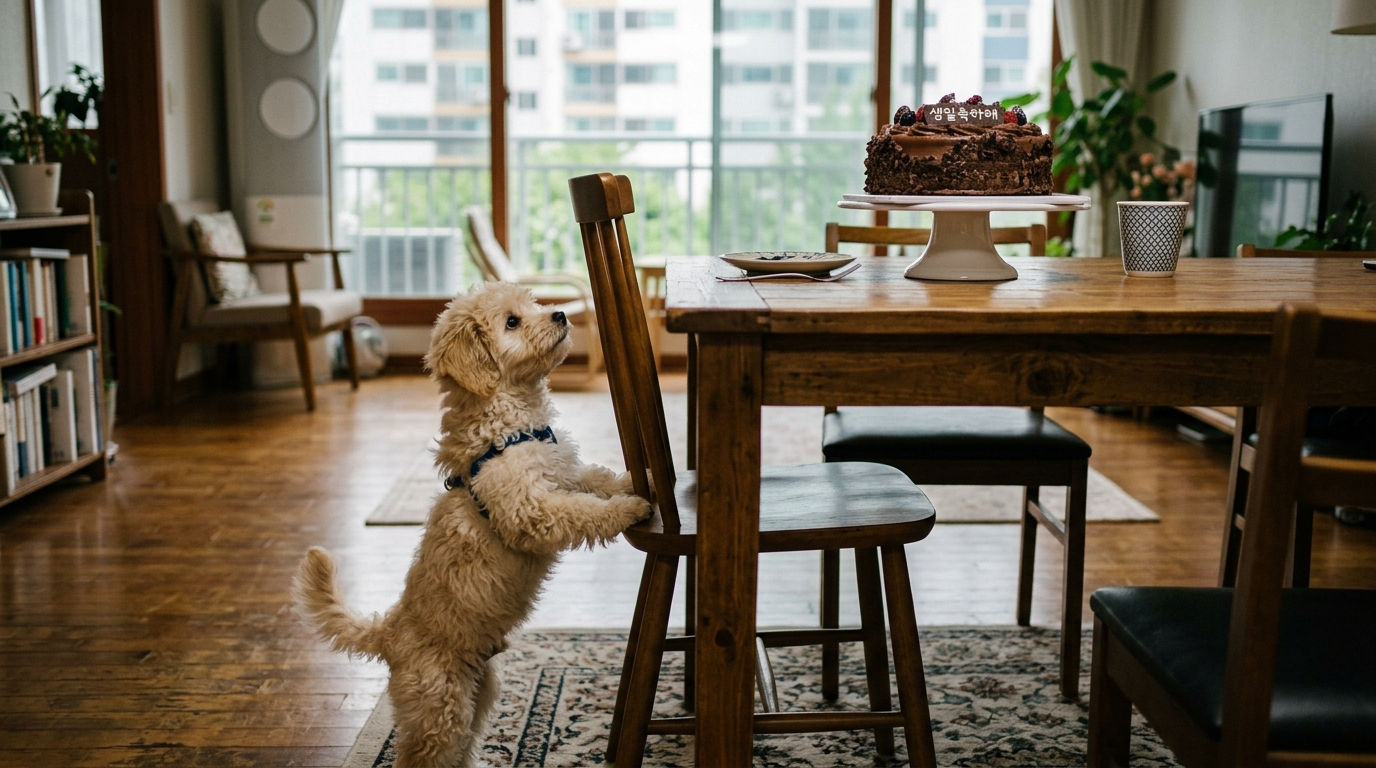
What to Do When Your Dog Eats Chocolate: Why It Is Dangerous and When to Visit the Vet
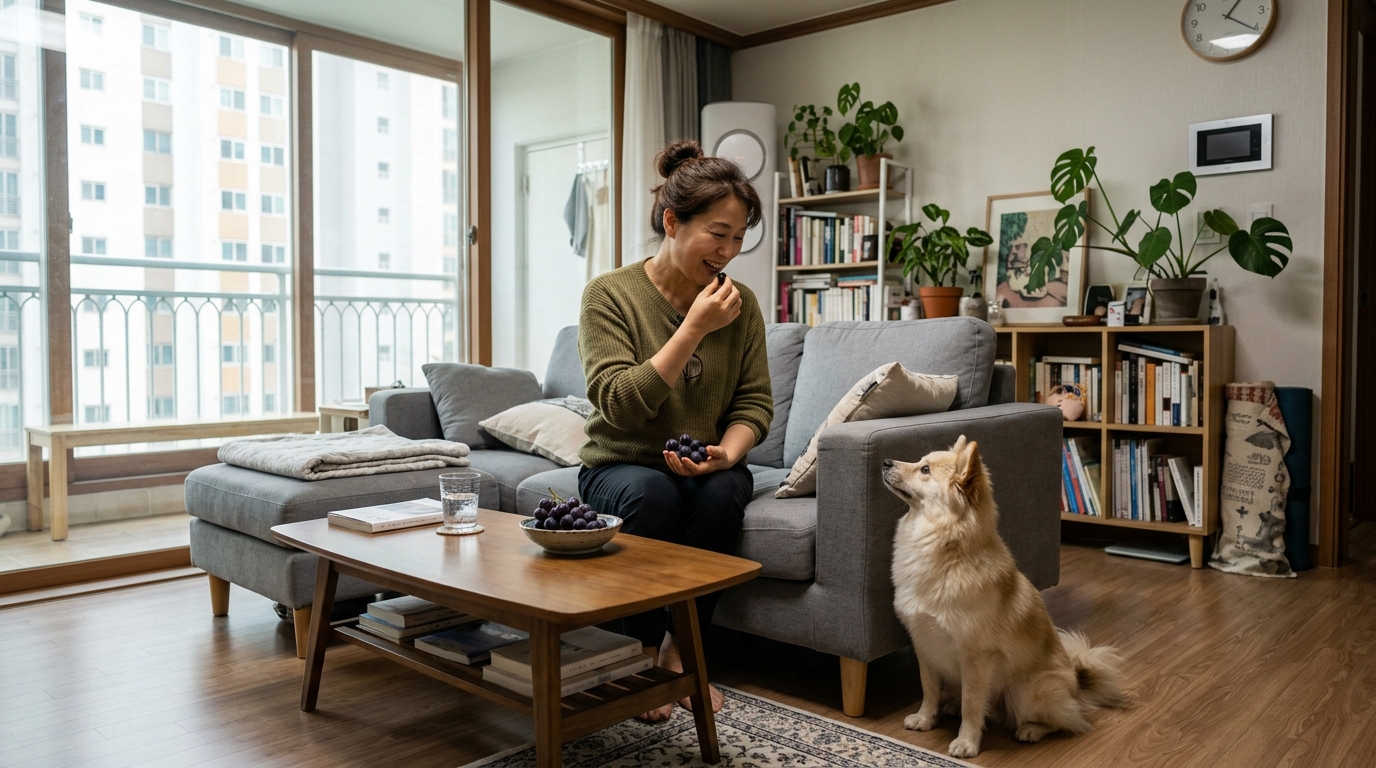
What If Your Dog Eats Grapes or Raisins? The Dangers of Acute Kidney Injury and Emergency Response Guide
Comments (0)
No comments yet. Be the first to leave one!