

A Dog Diagnosed with Patellar Luxation: Is It Still Safe to Walk? A Detailed Analysis by Senior Researcher Ansimi
Magentalab Research Team
August 2, 2026
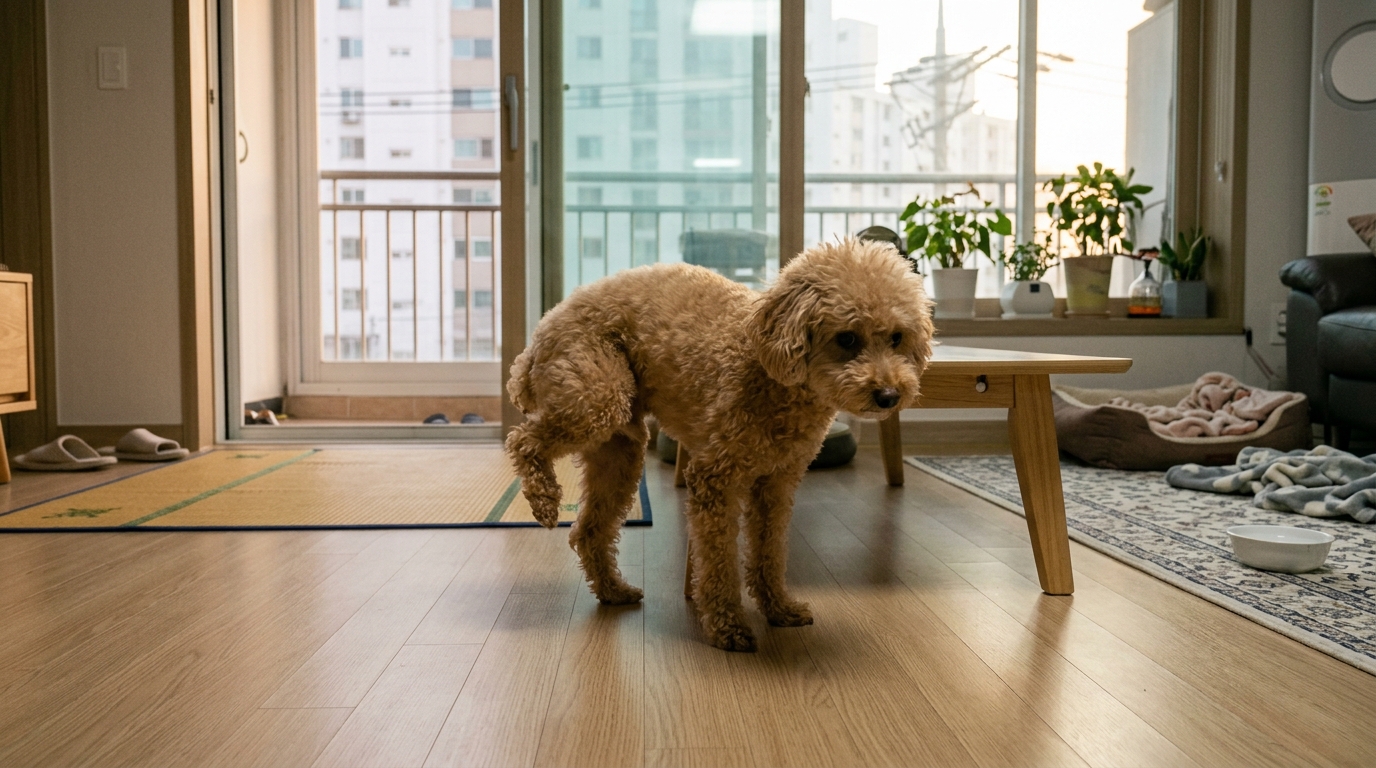
Hello! I am Ansimi, the cute Dachshund Senior Researcher at Magentalab Pet Research Institute! It is a pleasure to meet you!
When you suddenly hear a vet say, “Your dog has patellar luxation,” your heart sinks and everything goes dark. My heart truly aches thinking of all the pet parents who might have spent the entire night searching online, blaming themselves and wondering, “Did I walk them too much?” or “Should I never take them on a walk again?”
Today, I have gathered the most frequently asked questions after a patellar luxation diagnosis and will organize them perfectly for you based on fact-checks and scientific evidence!

1. The Most Common Misconception After a Patellar Luxation Diagnosis: “Should I Stop Walking?”
The Scientific Reason Why You Must Not Completely Stop Walking
Let me give you the conclusion first: “No! In fact, proper walking is absolutely essential!” I can say this with confidence.
Medial Patellar Luxation (MPL), which accounts for the majority of genetic disorders in small breeds in Korea, is a condition where the kneecap repeatedly slips inward due to a congenitally shallow trochlear groove. In this case, the most powerful physical ally that structurally prevents the kneecap from dislocating is the “quadriceps” (the thigh muscles) surrounding the knee.
If you completely stop walking out of fear of luxation, these quadriceps will rapidly atrophy, and the strength needed to support the kneecap will completely disappear. This triggers a fatal vicious cycle that rapidly worsens the grade of patellar luxation. Regular walks on flat ground without inclines serve as the best natural prescription, aiding blood circulation in the joints and promoting the secretion of joint fluid to reduce cartilage wear.

2. “Medicine” vs. “Poison” Exercises for Dogs with Patellar Luxation
It is crucial to design an exercise routine tailored to your dog’s specific condition. Simply walking unconditionally is not always good!
“Good” Exercises That Protect Joint Health (Recommended)
-
Gentle Walking on Flat Ground: Walking slowly on even, flat dirt paths or grass with no inclines or stairs is the safest option.
-
Swimming in Water: Thanks to the buoyancy of water, this is the ultimate rehabilitation exercise that effectively strengthens the thigh muscles while minimizing the load and weight burden on the knee cartilage.
-
Indoor Nosework: Through brain-stimulating games that use their nose without straining their legs, you can provide a stress-relieving effect equivalent to an outdoor walk.

“Bad” Behaviors That Destroy Joints (Absolutely Prohibited!)
-
Standing on Two Hind Legs and Jumping: Jumping down from a bed or sofa onto a bare floor delivers a shock to the knee joints equivalent to several times their body weight. Installing non-slip mats indoors and safe pet steps is mandatory.
-
Sudden Direction Changes and Fetch: Braking suddenly to catch a running ball or making twisting, rotational movements are fatal causes that often accompany a “Cranial Cruciate Ligament (CCL)” tear, an injury dogs with patellar luxation are extremely vulnerable to.
-
Steep Hiking and Climbing Stairs: The vertical movement of going up and down high stairs applies severe friction and pressure between the kneecap and the trochlear groove, accelerating cartilage wear and degenerative arthritis.

3. Danger Signs That Mean You Must Stop the Walk and Rush to the Vet
For patellar luxation, “continuous monitoring” is a matter of life and death. You must be able to distinguish between a safe state where normal walking is possible and a dangerous state that requires immediate treatment.
Self-Diagnosis Guide: Normal (Maintenance) State vs. Emergency (Danger) State
| Category | Safe State (Walking is possible) | Dangerous State (Stop immediately and visit the vet) |
| Walking Pattern | Occasionally limps on one hind leg but quickly returns to walking normally. | Completely lifts one leg and walks around on only three legs (bunny hopping). |
| Pain Response | Does not show particular pain when touched and does not avoid physical contact. | Growls or yelps when you attempt to touch the knee or surrounding leg area. |
| Joint Sound | Moves smoothly without any abnormal sounds. | A popping or clicking friction sound is felt through your fingertips when the leg is bent and extended. |

4. The Core of Patella Management: “Weight Loss,” Which is More Important Than Walking
There is a crucial fact that many pet parents easily overlook. It is their dog’s “weight”!
Even if your dog’s weight increases by just 100 grams (about 0.2 lbs), the load their knee joints bear during walking multiplies several times over. Forcing a walk while overweight can turn into a torture that crushes the joints rather than strengthening the legs.
Please remember that maintaining an optimal weight through strict food measurement and limiting treats is the most effective and scientific way to slow down the progression of patellar luxation—even more so than any expensive joint supplements or medical treatments!

Senior Researcher Ansimi’s Detailed Prescription Summary
Depending on your baby’s grade of patellar luxation (Grades 1 to 4), it is safest to adjust the intensity and duration of walks through a detailed consultation with your veterinarian. Please do not rush. Just a sweet, peaceful 10-minute walk every day is more than enough to keep our babies’ joints and minds healthy! I will return with more useful information in my next research report! Thank you!
Recommended Research Data 🕸️
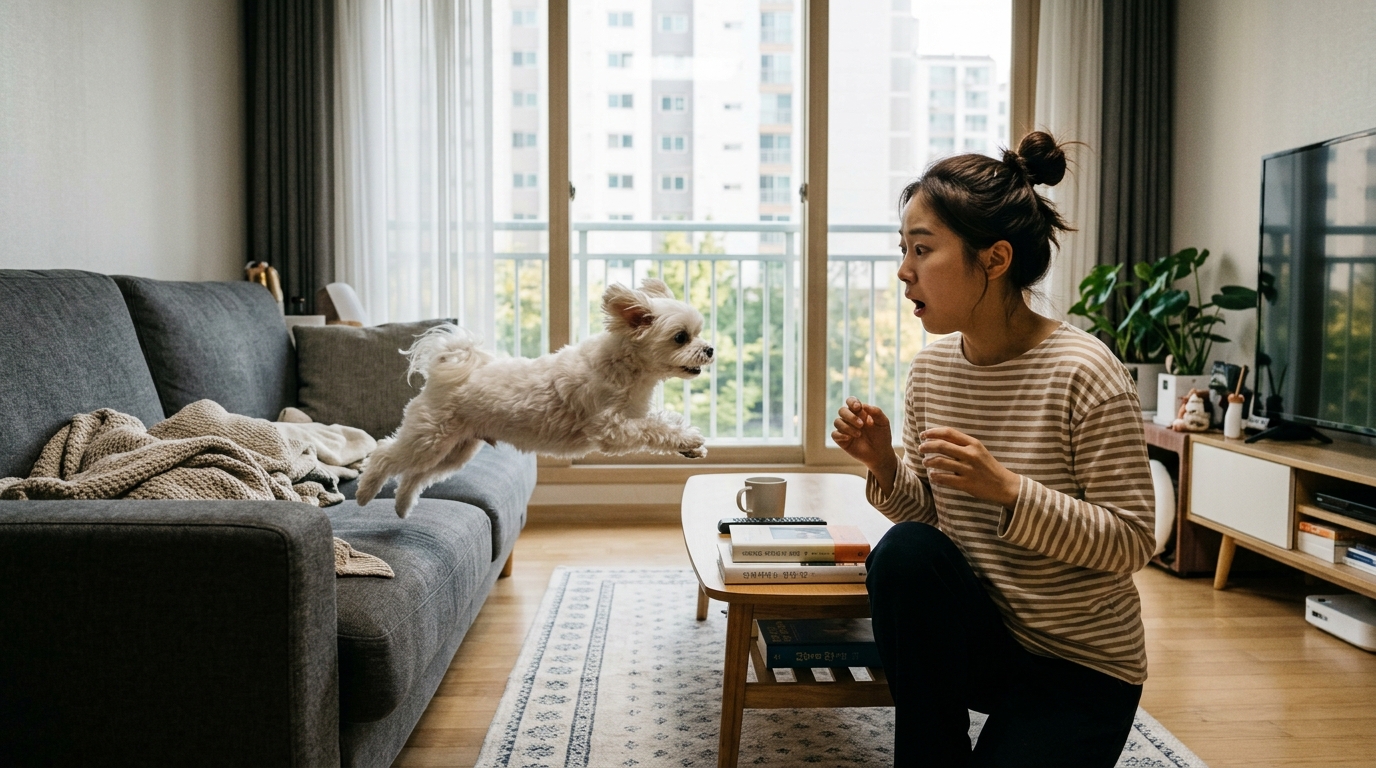
This Daily Habit Can Ruin Your Dog’s Kneecaps: The Truth About Sofa Jumping and How to Prevent It
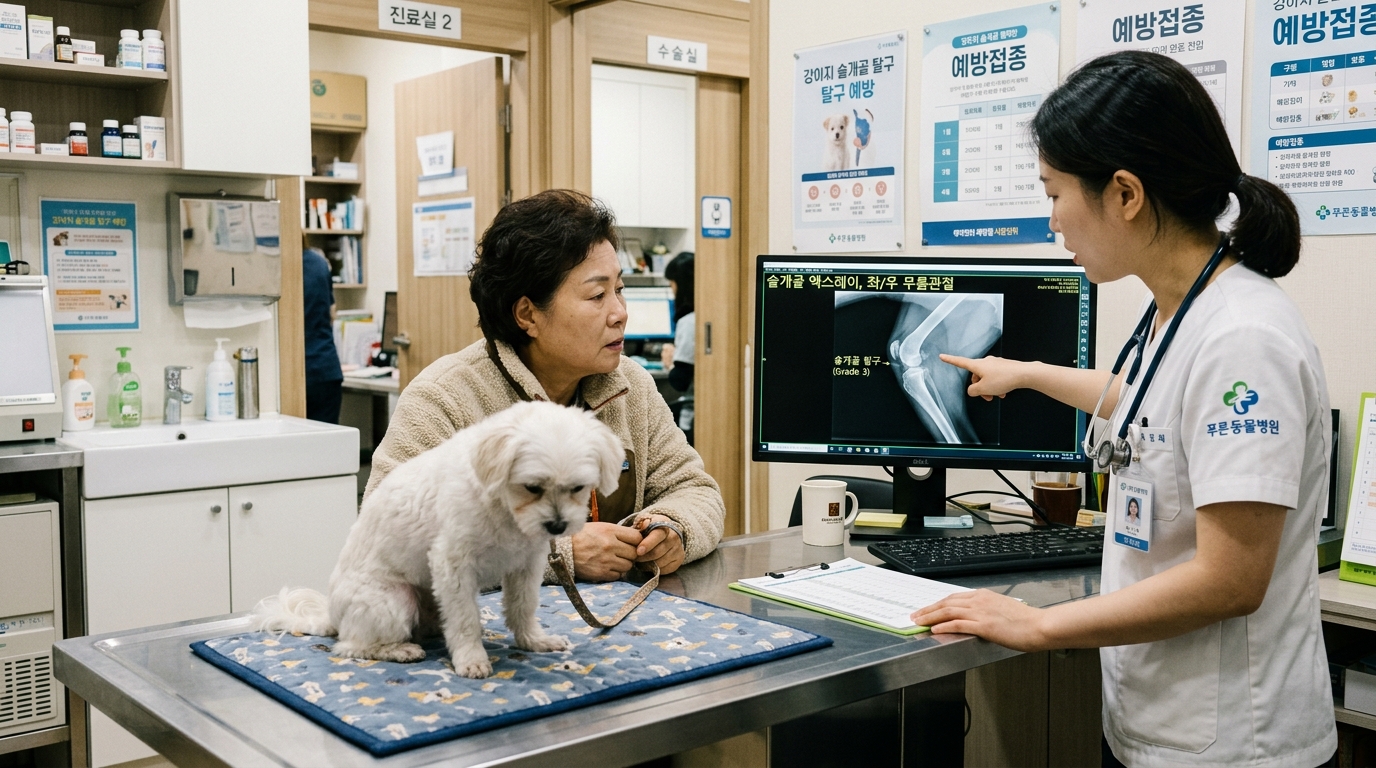
If Your Dog Suddenly Lifts a Hind Leg, You Must Check This! A Self-Diagnosis Guide for Patellar Luxation

I Thought They Were Still Young, But the Signs of Aging Have Begun
Comments (0)
No comments yet. Be the first to leave one!