
In-Depth Breed Analysis Research Articles
French Bulldog Brachycephalic Syndrome Management: A Veterinary Guide to Diagnosing Breathing Sounds and Preventing Heat Stroke
1. Cramped airways and 4 major obstructions: While bone length is shortened, soft tissue remains the same size, forcefully cramming into a narrow airway. This causes anatomical issues that make breathing difficult, such as stenotic nares and an elongated soft palate.
2. Wheezing stridor alarm: If they make a high-pitched, sharp breathing sound (stridor) when excited, it is a dangerous signal that the airway near the larynx is tightly blocked. You must calm them down immediately and supply oxygen.
3. Preventing sudden heat stroke in summer: Since they lack sweat glands, they must cool down by panting. But because their narrow airways prevent proper thermoregulation, you must absolutely avoid midday walks in summer and keep indoor temperatures below 73°F (23°C).
[Empathy]
I deeply feel the anxious hearts of pet parents who have stayed awake all night touching their dog’s chest (worried their breathing might stop in their sleep) while listening to them snort and gasp like a pig. When others laugh and call the snoring cute, you alone worry and feel sorry for them (a testament to your deep affection), and Ansim-i wants to give you a big, comforting hug for that. Thanks to your warm care in opening up their airways with cool indoor temperatures and a safe harness, your dog can sleep peacefully again tonight. Ansim-i will always support the cool, healthy journey of you two! 🐾

How to Distinguish Breathing Sounds (Stertor) in Brachycephalic Breeds like Shih Tzus and Pekingese, and the Optimal Summer AC Temperature
1. High-pitched, metallic wheezing (stridor) is a signal of inner airway stenosis and requires immediate veterinary intervention.
2. To prevent heatstroke shock in brachycephalic dogs during the hot summer, the indoor AC should be constantly maintained at 22~24°C (71.6~75.2°F) and humidity below 50%.
3. Ingesting items like onions (which damage red blood cells) or chocolate (which raises heart rate) during respiratory distress induces an acute oxygen block, so isolate these completely from your dog.
[Empathy]
Pet parents, Ansim-i knows all too well the exhaustion and deep devotion you show (fretting every night when your dog’s breathing gets rough at the slightest summer heat, and worrying entirely about your dog’s health rather than the monthly electric bill explosion). Ansim-i will always cheer on your dedicated efforts to protect the precious breaths of your dog, who works so hard every day to breathe through their narrow airway.
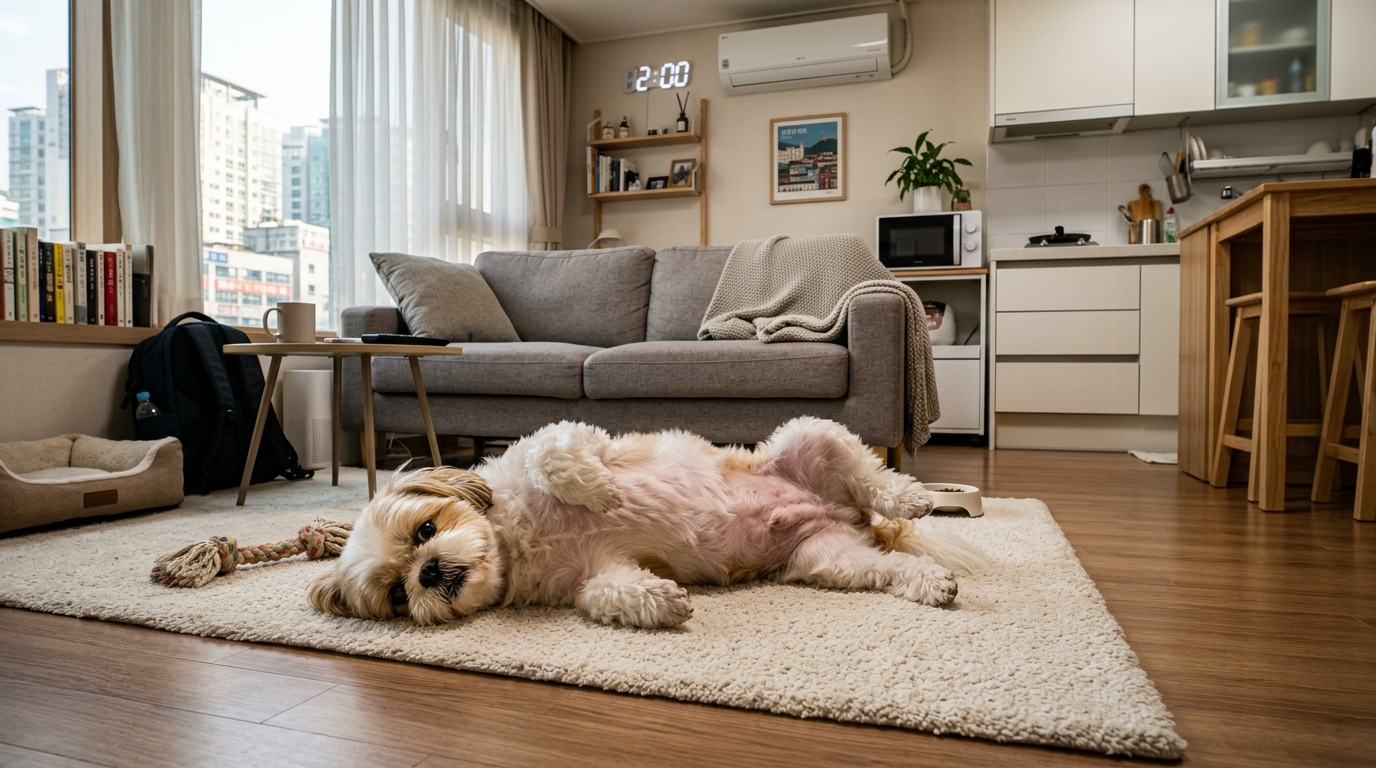
IVDD in Dachshunds & Corgis: Hind Leg Paralysis Symptoms by Grade and Conservative Treatment Options
1. Understand the FGF4 Genetic Calcification: Because Dachshunds and Corgis begin experiencing intervertebral disc calcification around 1 year of age due to the chondrodystrophy gene, they must avoid excessive vertical pressure on their spine for their entire lives.
2. 24-Hour Monitoring of Deep Pain Perception (DPP): If hind leg paralysis occurs, use tweezers to firmly pinch the toes. If diagnosed as Grade 5 (loss of pain perception), ultra-emergency spinal decompression surgery must be performed within 24 hours to increase the chances of recovery.
3. 4 to 6 Weeks of Absolute Crate Rest: When diagnosed with mild Grade 1-2 IVDD, strictly adhere to crate confinement alongside anti-inflammatory medications to block physical movement and induce natural healing of the disc.
[Empathy]
Looking into the clear eyes of a pup dragging their limp hind legs pitifully while asking for a treat, my tender heart aches when I think of the sorrow you must have felt (crying through the night, wishing that your own back was broken instead). Please do not break down. Dogs are the first to smell the anxiety and silently grieve when their pet parents are crying and wavering. The greatest nursing care you can provide right now, overcoming your sorrow, is a firm and calm love that prevents you from making the mistake of opening the crate door out of pity. It requires solid courage to play soothing music for your dog, who might feel frustrated in the dark confinement box, and to whisper softly to them (Just hold on a little longer, and you’ll be able to run again). Ansimi will walk with you to the very end, toward the dazzling sunlight that waits at the end of this long tunnel of isolation and rehabilitation. 🐾

Genetic Testing for Feline Hypertrophic Cardiomyopathy (HCM) in Maine Coons & Ragdolls: Timing and Emergency Response to Acute Hind Leg Paralysis (ATE) / Saddle Thrombus
1. Early MYBPC3 DNA Screening: For Ragdolls (R820W) and Maine Coons (A31P), complete a genetic swab or blood test within their first year to determine their mutation status (heterozygous/homozygous).
2. LAE & Antithrombotic Meds: If an echo shows an LA/Ao ratio over 1.5–2.0, preemptive prescriptions of Clopidogrel are mandatory to prevent clots.
3. 5P Signs & 6-Hour Golden Hour: If you notice hind leg paralysis, screaming in pain, pulselessness, cold legs, or blue paw pads, rush them to a 24-hour ER within 6 hours to begin intensive care and prevent Reperfusion Injury.
[Empathy]
Holding a child who suddenly cannot use their hind legs and is crying out in pain (frantically dialing the animal hospital’s emergency room number with trembling hands while shedding endless tears), I, Ansim-i, can fully feel your heartbreaking sorrow. Do not fall into the trap of blaming yourself, wondering, “Did I do something wrong to make them sick?” This is absolutely not your fault. It is merely a cruel trick of genetics placed on their small, fragile heart from birth. But even in this moment, your cat is gaining the strength to live from your warm embrace and loving, tear-filled eyes. Do not give up at the edge of despair. When scientific care—like strict medication and monitoring daily breathing—meets your infinite love, miracles happen. Ansim-i will be your reliable guardian through every heavy breath, walking with you to the very end. Stay strong! 🐾
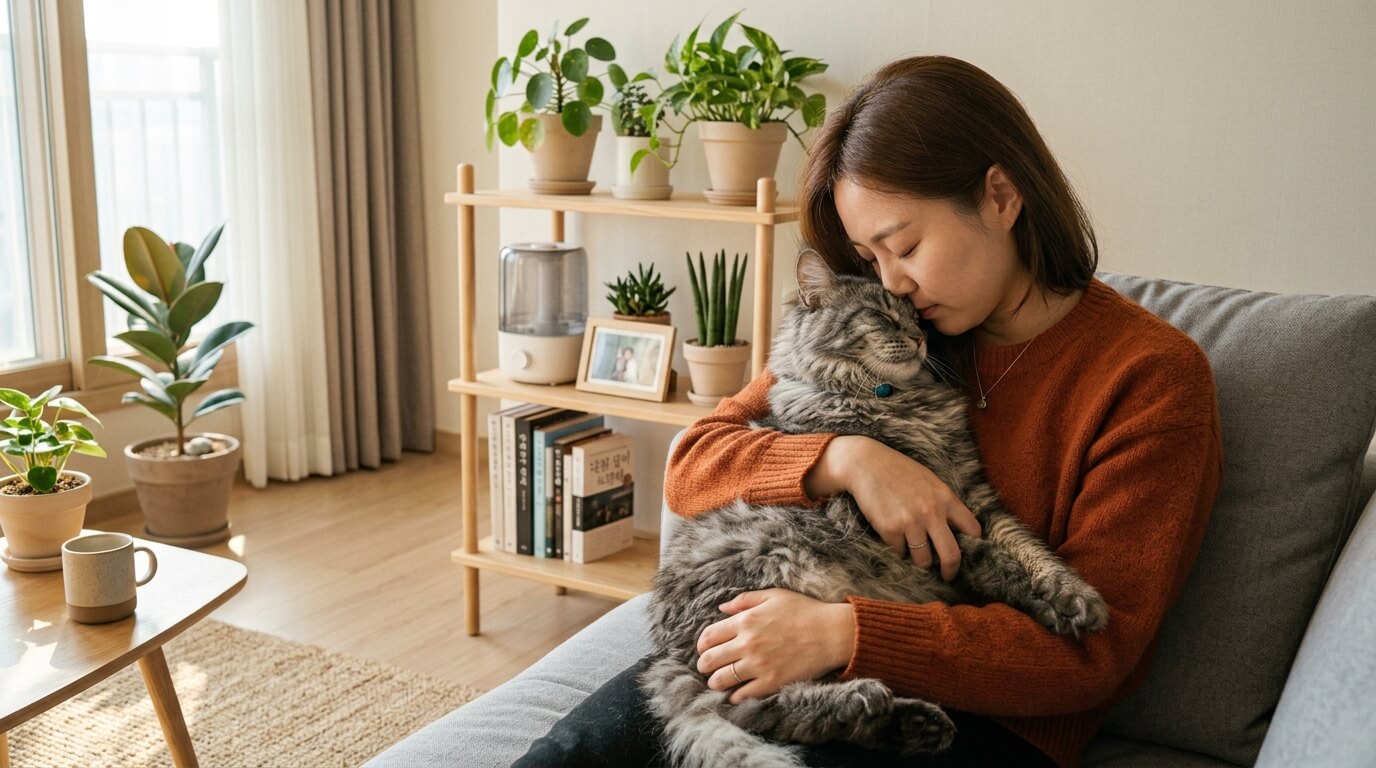
Hidden Symptoms of Patellar Luxation in Pomeranians & Maltese by Stage, and the Standard for Choosing Dog Beds, Stairs, and Mats
1. Understand Genetic Vulnerability: Pomeranians and Maltese are born with shallow knee grooves, making their kneecaps highly susceptible to medial luxation.
2. Spot the Hidden Pain: Aside from bunny hopping, early warning signs include flicking the hind leg, crouching, or faintly whimpering when picked up.
3. Build Standardized Infrastructure: Avoid overly plush mats that cause joint rotation. Use high-density mats, and ensure stairs/ramps are under 20 degrees or have wide steps under 4 inches high.
[Empathy]
Ansim-i deeply understands the urgent, heartbreaking feeling of petting your dog’s knee when they suddenly sit down and limp in the middle of a joyful walk. Please, let go of any guilt. A small dog’s patellar luxation is a congenital skeletal issue, not your fault. If you apply scientific love adjusting the angles of your indoor stairs and reinforcing your mats your baby can run bravely on all four legs without pain for the rest of their life. Magentalab’s independent computation funnel will always accompany you as a reliable lighthouse on your joint and nutritional care journey. 🐾

Total 5 research articles published.