

What to Do When Your Dog Eats Onions or Garlic: Managing Red Blood Cell Destruction and Anemia
Magentalab Research Team
July 28, 2026
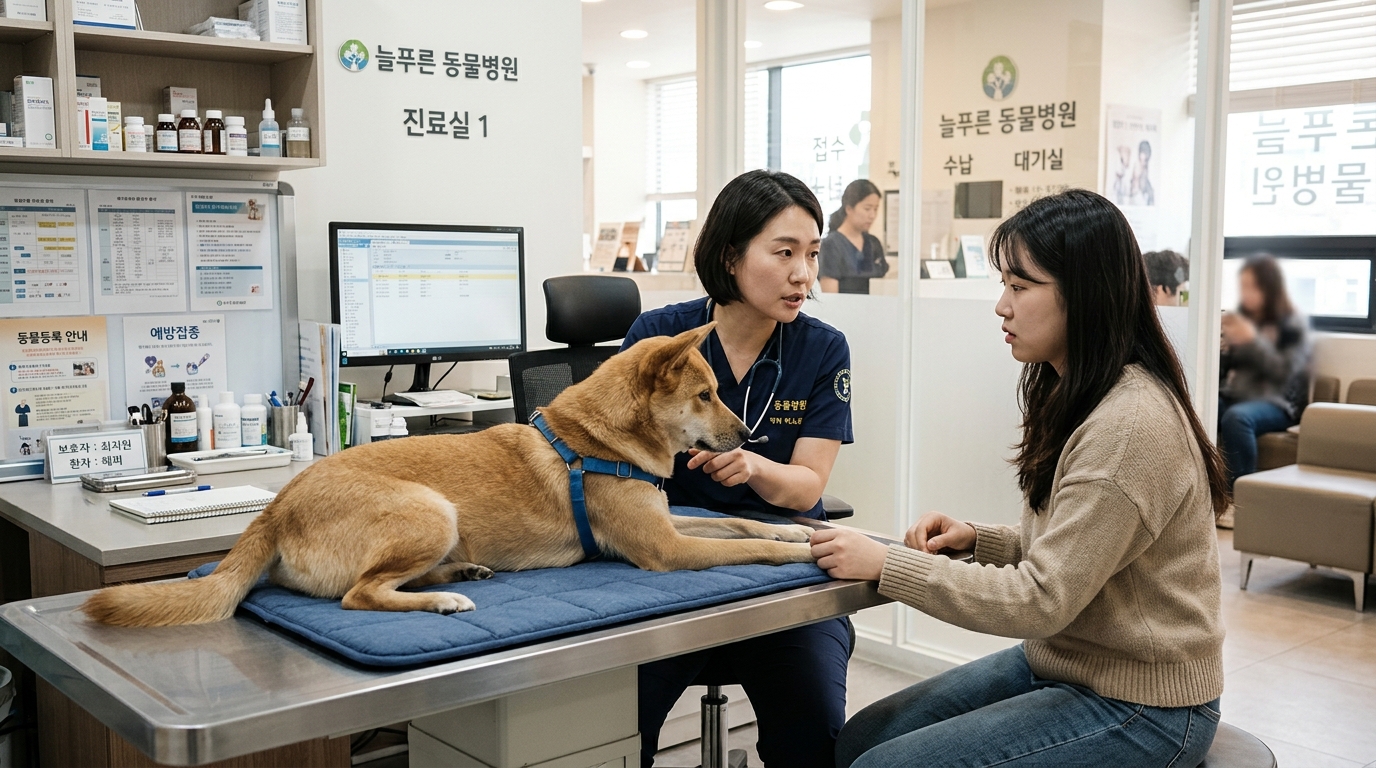
Hello! This is Dachshund Ansim-i, Chief Researcher at the Magentalab Pet Research Institute! Today, I have brought an informative research report to help ensure a happy journey for you and your dog.
Most of the foods we frequently eat in Korea, such as stews, Jajangmyeon (black bean noodles), and seasoned fried chicken, inherently contain onions and garlic. However, if your dog steals even a single bite of these foods, the situation can become very serious. This is because onions and garlic are leading toxic substances that destroy a dog’s red blood cells, causing fatal hemolytic anemia. For our anxious pet parents, let me clearly point out the veterinary causes and how to respond.
| Food & Component Type | Lethal Dose (Based on 5kg small dog) | Key Clinical Poisoning Symptoms | Researcher Ansim-i’s Emergency Prescription |
| Raw onion / Cooked broth (Jajangmyeon, stews, seasoned chicken, etc.) | Approx. 75g ~ 150g (About half a regular-sized onion) | Vomiting, diarrhea, lethargy, followed by tachycardia and tachypnea 1-3 days later | Sulfur compounds are not destroyed by heat, so even consuming broth without solid ingredients requires an immediate vet visit. |
| Raw garlic / Cooked garlic | Just 25g (About 5-6 cloves of regular garlic) | Pale mucous membranes (gums), jaundice, hind leg weakness, collapse shock | Garlic is 3 to 5 times more toxic than onions. Even if a small amount is ingested, IV fluids and antioxidant treatments are immediately required. |
| Onion / Garlic powder (Powdered seasonings, snacks) | Lethal dose reached even with a tiny amount | Red or dark cola-colored urine (Hemoglobinuria) | Destroyed hemoglobin severely damages the kidneys, triggering acute kidney injury. This is an extreme emergency where every second counts. |

1. Veterinary Causes Why Onions and Garlic Are Fatal to Dogs
-
Red Blood Cell Oxidation Mechanism of Organosulfur Compounds: Allium species plants, including onions and garlic, contain large amounts of ‘n-propyl disulfide’, ‘allyl propyl disulfide’, and ‘thiosulfate’. Dogs lack the metabolic enzymes to safely break down these compounds. The un-metabolized toxic components are absorbed in the stomach and directly react with hemoglobin inside the red blood cells, causing severe oxidative damage.
-
Heinz Body Formation and Hemolytic Anemia: Oxidatively damaged hemoglobin clumps together, forming abnormal precipitates called ‘Heinz bodies’ on the surface of red blood cells. The dog’s immune system and spleen recognize these deformed red blood cells with attached Heinz bodies as invaders or damaged cells that have reached the end of their lifespan, and forcibly destroy (hemolyze) them in the bloodstream. This rapid destruction of red blood cells in the body leads to acute hemolytic anemia.
-
Kidney Damage and Hemoglobinuria Induction: When numerous red blood cells are destroyed in a short period, a massive amount of hemoglobin from the red blood cells is released into the bloodstream. The kidneys are overworked to filter out this excessive hemoglobin, and in this process, severe renal tubular necrosis and acute kidney injury can be induced. At this time, the dog will excrete red or dark cola-colored urine (hemoglobinuria).
2. Risk Comparison Table by Onion/Garlic Component and Food Type
Depending on whether they are raw, cooked, or concentrated, the toxicity strength of onions and garlic varies.
| Food & Component Type | Dangerous Component | Key Poisoning Symptoms (Within days post-ingestion) | Veterinary Toxic Mechanism |
| Raw Onion / Raw Garlic | Thiosulfate, n-propyl disulfide | Vomiting, diarrhea, drooling, difficulty breathing | Oxidative damage to red blood cell membranes, Heinz body formation, and induction of hemolytic anemia. |
| Cooked Foods & Broths (Seasoned chicken, Jajangmyeon, soups, etc.) | Sulfur compounds unaffected by heat | Hemoglobinuria (cola-colored urine), jaundice, tachycardia, collapse | Toxicity is maintained even after heating, absorbed into the body, causing extensive red blood cell destruction. |
| Onion / Garlic Powder (Powdered seasonings, snacks) | Highly concentrated organosulfur compounds | Acute vomiting, extreme lethargy, pale mucous membranes | Lethal dose reached even in small amounts, maximizing red blood cell oxidation. |

3. Dangerous Quantities and Lethal Doses of Onion and Garlic Poisoning in Dogs
-
Difference in Toxicity Strength Between Garlic and Onion: Garlic is much more toxic than onions. According to veterinary research, garlic is approximately 3 to 5 times more toxic than onions, meaning even a very small amount can cause severe poisoning symptoms.
-
Risk Criteria by Body Weight:
-
Onion lethal threshold: Clinical poisoning symptoms begin if a dog consumes about 15~30g of onions per 1kg of body weight.
-
For a 5kg small dog: Eating about 75g~150g of onions (half to one regular-sized onion) is fatal.
-
Garlic lethal threshold: Poisoning symptoms appear if a dog consumes just about 5g of garlic per 1kg of body weight.
-
For a 5kg small dog: Only 25g of garlic (about 5-6 cloves) is enough to cause hemolysis, destroying red blood cells.
-
-
Toxicity Retention During Heating and Cooking: The most widespread misconception is the idea that “toxicity disappears when cooked.” Organosulfur compounds are highly stable against heat, so boiling or roasting does not destroy the toxicity at all. Therefore, simply licking garlic roasted with meat, Jajang sauce full of onions, or snacks and broths containing garlic powder is more than enough to cause poisoning.

4. Step-by-Step Danger Signals After Ingestion
Unlike chocolate or xylitol, onion and garlic poisoning rarely show immediate fatal symptoms upon ingestion but characteristically progress slowly over several days.
-
Early Stage (Within 24 hours of ingestion): General gastrointestinal symptoms such as mild vomiting, diarrhea, drooling, and loss of appetite are observed first. This is the period when toxic components are absorbed in the stomach.
-
Middle Stage (1-3 days after ingestion): This is when red blood cell hemolysis begins in earnest. Due to a lack of oxygen supply, the mucous membranes (gums) become noticeably pale or jaundiced, accompanied by lethargy, hind leg weakness, and a rapid increase in heart and breathing rates (tachycardia and tachypnea).
-
Late Severe Stage (3-5+ days after ingestion): As destroyed hemoglobin is excreted in large quantities through urine, the dog will pass red or dark cola-colored urine. This can lead to acute kidney injury, causing decreased urine output, generalized collapse, and coma; without proper treatment, it leads to death.

5. Pet Parent’s Emergency Response Guide for Onion and Garlic Ingestion
-
Step 1: Check the Amount/Time of Ingestion and Contact the Vet
You must figure out exactly when your dog ate, what food containing onions or garlic they ate, and roughly how much. Based on this information, immediately contact a 24-hour veterinary hospital to prepare for a visit.
-
Step 2: Do Not Force Vomiting at Home
Pet parents must absolutely never attempt to forcefully induce vomiting at home by feeding hydrogen peroxide. Hydrogen peroxide can cause severe chemical burns to the dog’s stomach and esophageal mucosa and induce necrotic gastritis. Inducing vomiting must be performed safely at the hospital under a veterinarian’s prescription.
-
Step 3: Secure the Ingredients List and Food Information
If you have the packaging of the food they ate, you must bring it with you. For soups or processed foods, showing the ingredients list to the veterinarian is incredibly helpful in establishing a detoxification fluid treatment and intensive care plan.

6. Professional Veterinary Treatment Provided at the Hospital
Upon arriving at the hospital, emergency treatment is performed within the golden hour under a veterinarian’s precise diagnosis.
-
Emetic Treatment: If it is within 2 hours of ingestion, safe emetic agents (such as Apomorphine) are used to induce vomiting of the toxic substances in the stomach.
-
Hydration Therapy and Antioxidant Treatment: Intravenous fluid therapy is administered to prevent kidney damage, along with veterinary antioxidants (N-acetylcysteine, Vitamin E, etc.) to prevent hemoglobin oxidation.
-
Blood Transfusion Therapy and Monitoring: If the PCV (Packed Cell Volume) drops sharply, leading to severe anemia (below 15%), an emergency blood transfusion is performed to save their life. Daily blood tests must be strictly monitored for kidney values and anemia progression.

By the time onion and garlic poisoning symptoms begin to appear, the destruction of red blood cells is already quite advanced. Therefore, even if your dog seems perfectly fine right after eating, do not delay. Getting an examination from a veterinarian is the safest way to protect your child’s health.
Recommended Research Data 🕸️

I Thought They Were Still Young, But the Signs of Aging Have Begun

Is Your Dog Not the Same as Before? How to Tell the Difference Between Normal Aging and Danger Signals in Senior Dogs
Has Your Cat Started Avoiding High Places? A Complete Guide to the Differences Between Simple Aging and Osteoarthritis, and Signals to Visit the Vet
Comments (0)
No comments yet. Be the first to leave one!