

I Thought They Were Still Young, But the Signs of Aging Have Begun
Magentalab Research Team
July 28, 2026

Hello, this is ‘Ansim-i’, Chief Researcher at the Magentalab Pet Research Institute!
Pet parents, I know exactly how your heart drops when you suddenly notice graying hairs around the muzzle of your little ones who always seemed like babies, or when they no longer jump at their toys like they used to. You might find yourself worrying, “Are they already getting old?” or “Am I missing something?” As Ansim-i, I understand those feelings better than anyone.
With the life expectancy of our companion animals increasing recently, there are many smart pet parents looking to wisely and healthily prepare for the “senior years” that arrive sooner than expected. Today, let’s thoroughly explore our pets’ life stages and how to manage their senior years based on objective, scientific facts!

1. At what age do dogs and cats enter their “senior” years?
Many pet parents are often surprised when converting their pet’s age into human years. However, simply defining them as a “senior dog” or “senior cat” from a specific age varies greatly depending on the breed and size. Based on the guidelines of the American Animal Hospital Association (AAHA) and the World Small Animal Veterinary Association (WSAVA), we can precisely categorize their life stages.
The 4 Life Stages of Pets
-
Stage 1: Puppy / Kitten
-
Dogs: Birth to 1 year (up to 1.5 years for large breeds)
-
Cats: Birth to 1 year
-
This is a crucial period for rapid physical growth and socialization.
-
-
Stage 2: Adult
-
Dogs: 1 to 5 years (for small breeds)
-
Cats: 1 to 6 years
-
This is their prime, filled with the most energy and peak physical health.
-
-
Stage 3: Mature / Senior Transition
-
Dogs: 5 to 7 years (Large breeds may enter the senior stage starting at 5 years)
-
Cats: 7 to 10 years
-
They appear healthy on the outside, but this is a transitional phase where anatomical changes of aging gradually begin internally.
-
-
Stage 4: Senior / Geriatric
-
Dogs: 7 to 8+ years (6+ years for large breeds)
-
Cats: 11+ years
-
Physical functions begin to decline significantly, making regular, intensive health management absolutely essential.
-
Why do people want to know exactly when their pets become seniors?
It is simply because they want to prepare in advance, minimize any pain, and stay together for a longer time. Pets have a strong instinct to hide their pain, so by the time symptoms appear outwardly, the disease has often progressed significantly. If you accurately recognize when they enter their senior years, you can detect even minor changes as signs of aging and start early treatment and management. It truly is the wisest way to show your love!

2. Physical and Behavioral Changes with Aging
When our pets age, they don’t just become calmer. Various changes happen to their bodies and minds. Catching these signals early is the key.
Noticeable Common Changes
-
Increased Sleep and Deep Sleep: They spend much more time sleeping than before and do not wake up easily when called.
-
Joint Stiffness: Their gait seems stiff when they wake up and walk, or they hesitate to climb onto the sofa or bed.
-
Sensory Decline: Their vision and hearing weaken, causing them to startle when you approach or lose their sense of direction in dark places.
-
Skin and Coat Changes: Their coat becomes dry and loses its shine, and white hairs increase around the mouth. Skin elasticity drops, and benign tumors like warts frequently appear.

Unique Aging Signs in Cats
Cats are absolute geniuses at hiding their pain. Therefore, you must observe the following subtle changes.
-
Decreased Grooming: When joint pain makes it hard to bend their bodies, they neglect grooming, leading to matted fur and dandruff.
-
Avoiding Vertical Spaces: A cat that used to leap onto a cat tree or a high desk in one bound will look for a stepping stone or avoid climbing altogether.
-
Litter Box Mistakes: If the edges of the litter box are too high, they might eliminate outside the box due to joint pain.

3. The Senior Years Arrive Sooner Than Expected, What to Prepare
Aging is inevitable, but a pet parent’s careful preparation can slow down the aging process and dramatically improve their quality of life.
Environmental Changes: Creating a Safe and Comfortable Home
To protect their joints and spine, laying down non-slip rugs or mats on hard floors is essential. Please install gentle pet stairs or ramps next to the bed and sofa. Also, in preparation for fading vision, keeping a soft, indirect light on in very dark rooms at night is a huge help.
Nutritional Management and Diet Adjustment
As activity levels decrease, their basal metabolic rate drops, making them prone to obesity. Obesity is fatal to the joints and hearts of senior dogs and cats. You should consider switching to a senior-specific diet that maximizes protein absorption while lowering calories. It is especially good to provide joint-supporting glucosamine, chondroitin, and antioxidant-rich Omega-3 fatty acids along with probiotics.
Making Regular Health Checkups a Habit
While annual checkups are sufficient during their prime adult years, we highly recommend getting examinations at least every 6 months after the age of 7. Specifically, monitoring kidney and liver values through blood tests, alongside blood pressure measurements and ultrasound scans, are the most reliable preventive measures for detecting chronic diseases early.

4. [Self-Diagnosis] Normal Aging vs. Red Flags (When to go to the vet)
It breaks my heart when treatment’s golden hour is missed just because someone assumed, “They must be lacking energy because they are getting older.” I, Researcher Ansim-i, will clearly organize the normal aging processes versus the red flags that require immediate medical attention!
| Category | Normal Aging Phenomenon | Suspected Disease Red Flag (Requires Vet Visit) |
| Activity & Joints | Playtime decreases slightly, and they sleep more. | Limping, screaming when you try to pick them up, refusing walks, noticeably trembling in one leg. |
| Water Intake & Defecation | Digestion decreases slightly, making stools slightly soft or hard. | Suddenly drinking an excessive amount of water and urination frequency spikes (suspect Renal Failure, Diabetes, or Cushing’s Disease). |
| Weight & Appetite | Basal metabolic rate decreases, leading to slow, slight weight gain or loss. | Rapid weight loss of 10% or more within a month despite eating well (suspect Tumors, Diabetes, or Hyperthyroidism). |
| Cognitive Function & Behavior | Reaction time slows down slightly when their name is called. | Standing still with their head pressed against a wall or corner, pacing aimlessly at night, and unprovoked vocalization (suspect Dementia / Canine Cognitive Dysfunction). |
Especially, a “sudden change in weight” and a “surge in water intake” are the most powerful warning lights for endocrine system diseases, so you must never take them lightly!

5. Researcher Ansim-i’s Closing Remarks
They say a pet’s time flows roughly 5 to 6 times faster than ours. Even while we are busy breathing and caught up in our daily lives, our little ones’ cells have been diligently aging. But there is absolutely no need to feel too sad or sorry!
The senior period is also the golden age where you can share the most peaceful and deepest connection in your dog or cat’s life. With a pet parent’s attentive care and warm preparation, our little ones can spend even their senior years very happily and comfortably. Today as well, I, Ansim-i, support all the reliable pet parents out there with all my heart!
Recommended Research Data 🕸️

Is Your Dog Not the Same as Before? How to Tell the Difference Between Normal Aging and Danger Signals in Senior Dogs
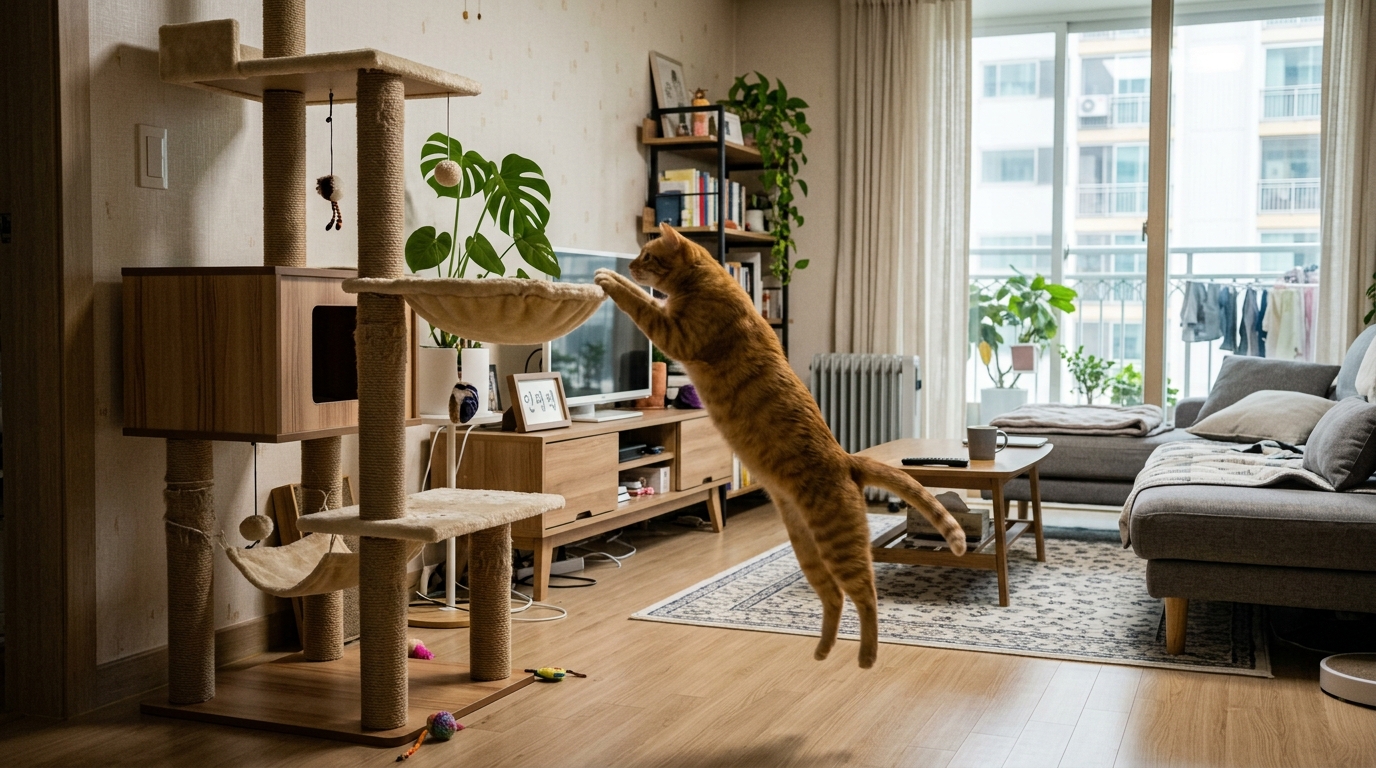
Has Your Cat Started Avoiding High Places? A Complete Guide to the Differences Between Simple Aging and Osteoarthritis, and Signals to Visit the Vet

Tips for Improving the Litter Box Environment to Resolve Feline Idiopathic Cystitis Causes and Hematuria Symptoms
Comments (0)
No comments yet. Be the first to leave one!