
All Articles
Dog Ate Xylitol Gum or Candy? 7 Urgent Things to Know About Hypoglycemia and Liver Injury
1. Xylitol can trigger a rapid insulin release in dogs, causing profound hypoglycemia, and some dogs also develop severe liver injury.
2. Do not wait for symptoms. Secure the product package and contact a veterinarian or emergency clinic immediately; do not induce vomiting at home unless specifically directed by a veterinary professional.
3. Vomiting, weakness, staggering, tremors, collapse, or seizures may reflect hypoglycemia, while signs of liver injury can appear later.
[공감]
Finding an empty sugar-free gum wrapper can make you swing between “it was probably only one piece” and panic. Ansim-i’s first message is simple: do not spend the important early time doing home toxicity math.
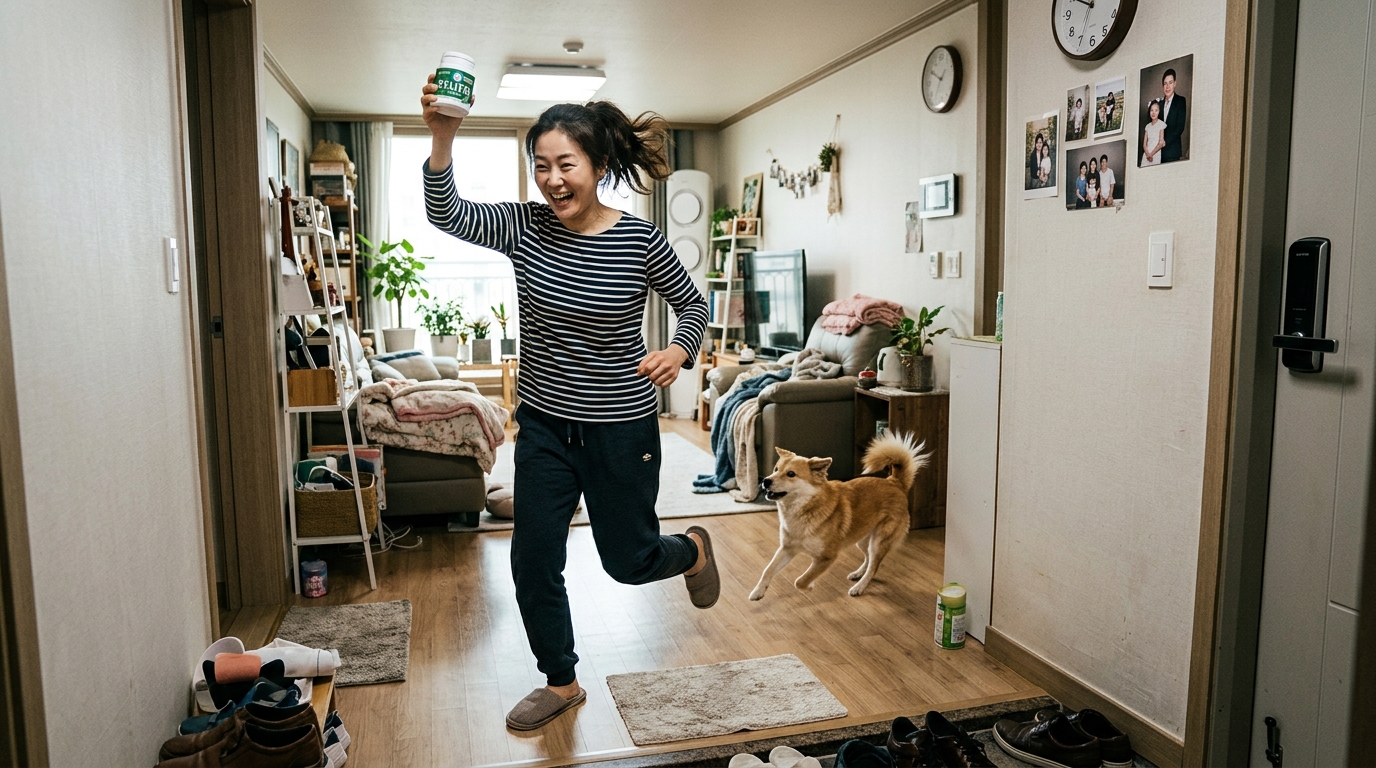
Cat Camera Aversion: The Psychology Behind Cats Avoiding Lenses and Tips to Catch Their Eye
1. Cats instinctively feel threatened by the large, dark camera lens on a smartphone, perceiving it as a “predator’s eye” glaring at them.
2. Behaviors like turning their head or yawning in front of the camera are “calming signals” meaning they don’t want to fight, serving as body language that expresses stress.
3. If you want natural photos, avoid staring directly through the lens. Instead, distract them with toys or treats and utilize a silent shooting mode.
[Empathy]
Did you feel a bit disappointed every time they quickly turned their head, ignoring your desire as a pet parent to capture just one pretty photo? To think that this behavior was actually your cat’s sweet message saying, “Let’s keep the peace” (it makes their true feelings seem even more touching and adorable).

Dog and Cat Time Perception: The Secrets of How Pets Experience Time When Pet Parents Are Away and a Guide to Solving Separation Anxiety
1. Pets perceive the passage of time through the fading of scents (olfactory clock), light, and biological rhythms.
2. Dogs and cats with fast metabolisms experience time slower than humans, so time spent alone can be a major stressor.
3. To prevent separation anxiety, proactive environmental improvements are essential, such as utilizing nosework and scent-soaked clothes, as well as booking pet sitter visits through mobile platforms.
[Empathy]
Thinking of the pet’s heart as they guard the door, eagerly waiting only for their pet parents (it makes my heart ache with emotion). Now is the time when our small considerations are needed so that our pet’s day can become a joyful exploration rather than a lonely time.
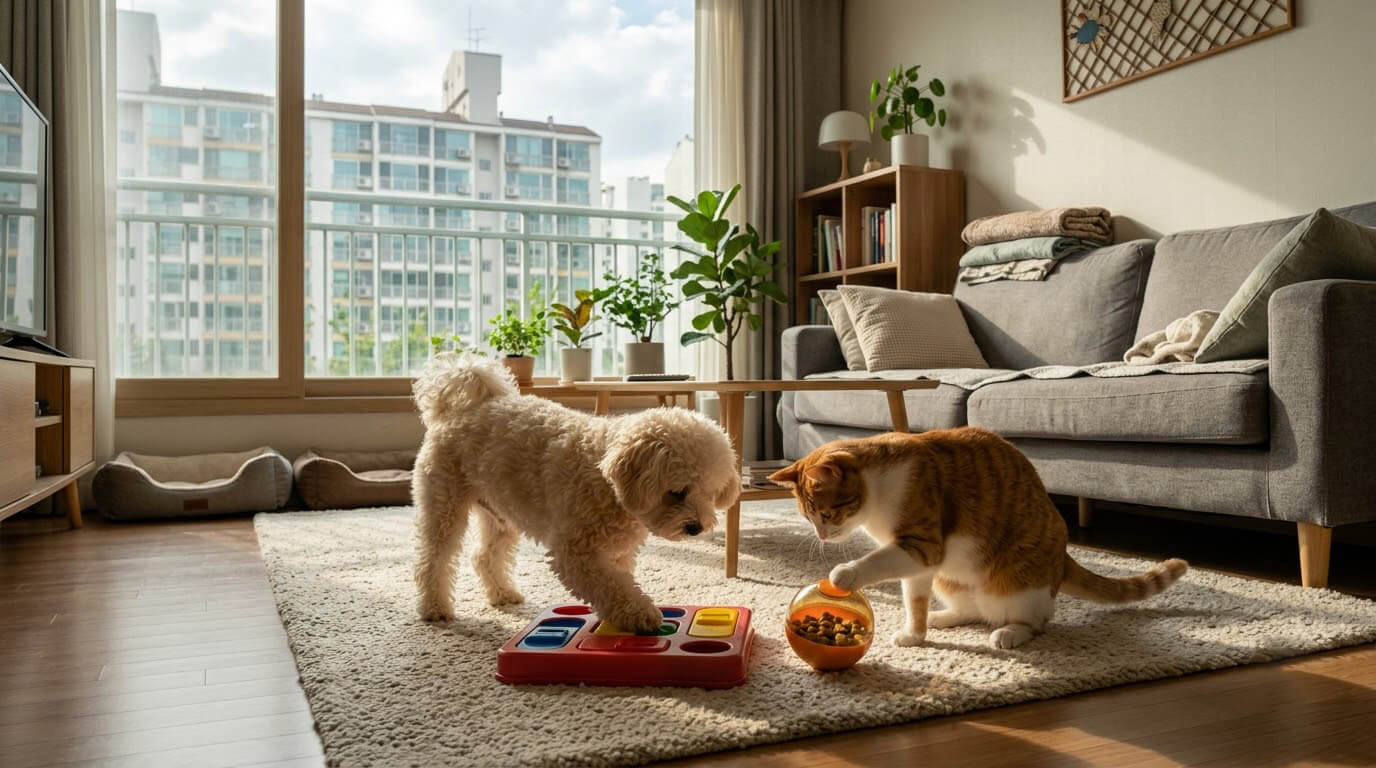
Do Dogs and Cats Recognize Pet Parents as Family? The Secrets of Separation Anxiety and Attachment Formation
1. Through fMRI brain wave studies and oxytocin secretion mechanisms, it is scientifically proven that dogs perceive pet parents as “absolute parents” with whom they perfectly emotionally bond.
2. Cats consider pet parents as “giant cats without aggression” and show deep family love by forming a “secure attachment” on the same level as human infants.
3. Because the love embedded in their behavior is so deep, separation anxiety can easily occur. Maintaining an indifferent attitude before and after outings and fostering healthy independence through nosework activities are essential.
[Empathy]
To think that our voiceless little ones have been shouting “I love you, you are my everything!” with their entire bodies (it makes my heart swell and tear up so much knowing the feelings held in their tiny hearts). Today of all days, my pet feels even more precious and dear to me.
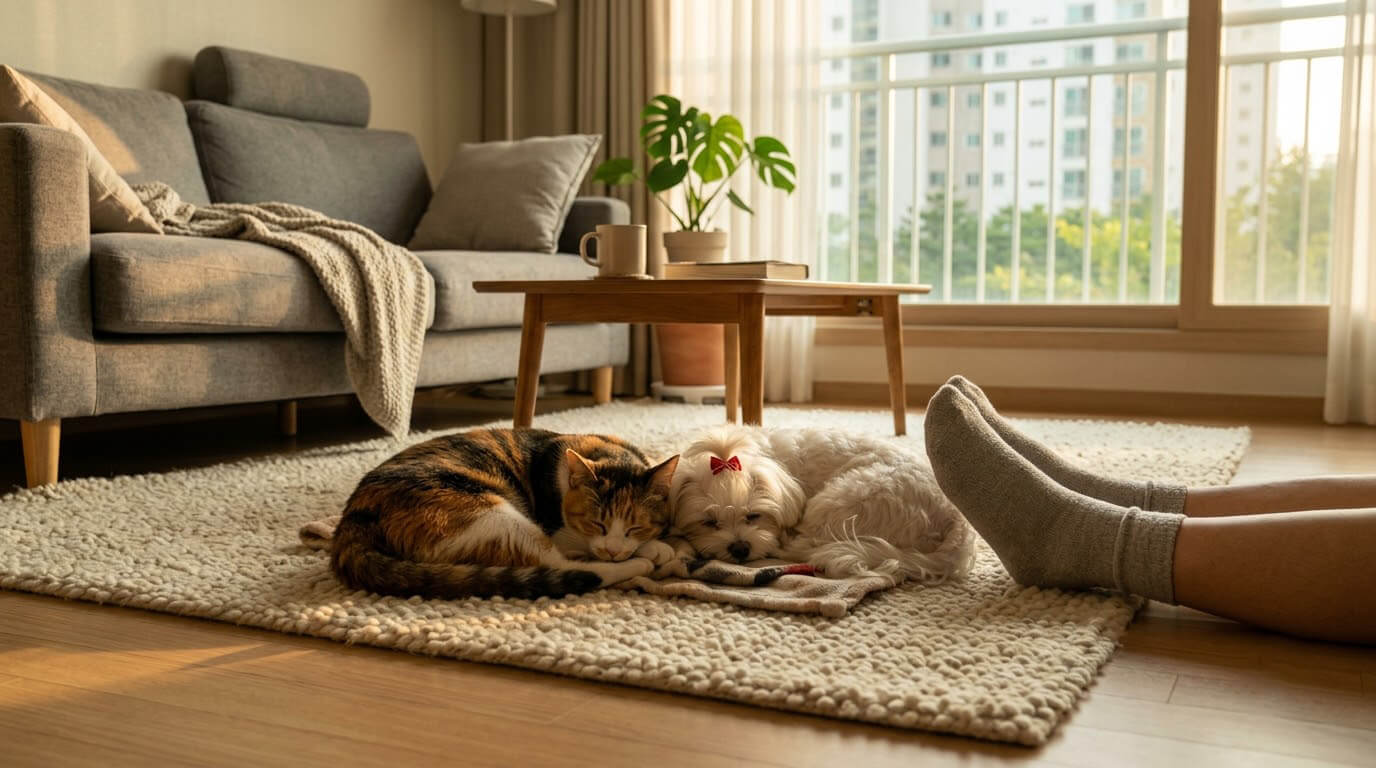
Dog Ate Onion or Garlic? Delayed Anemia Signs, What to Watch, and When to Call a Vet
1. Onion, garlic, chives, and related Allium foods can damage canine red blood cells; cooked, powdered, or mixed into food does not automatically make them safe.
2. A dog may look normal immediately after eating them, while weakness, pale gums, fast breathing, dark urine, or collapse can appear later as hemolytic anemia develops.
3. Do not wait for symptoms or try a home vomiting method. Contact a veterinarian with the dog’s weight, the food, the approximate amount, and the time of exposure.
[공감]
Finding out that a familiar kitchen ingredient can be toxic is unsettling, especially when your dog still looks completely normal. Ansim-i will help you focus on the information that matters most instead of guessing from one bite.
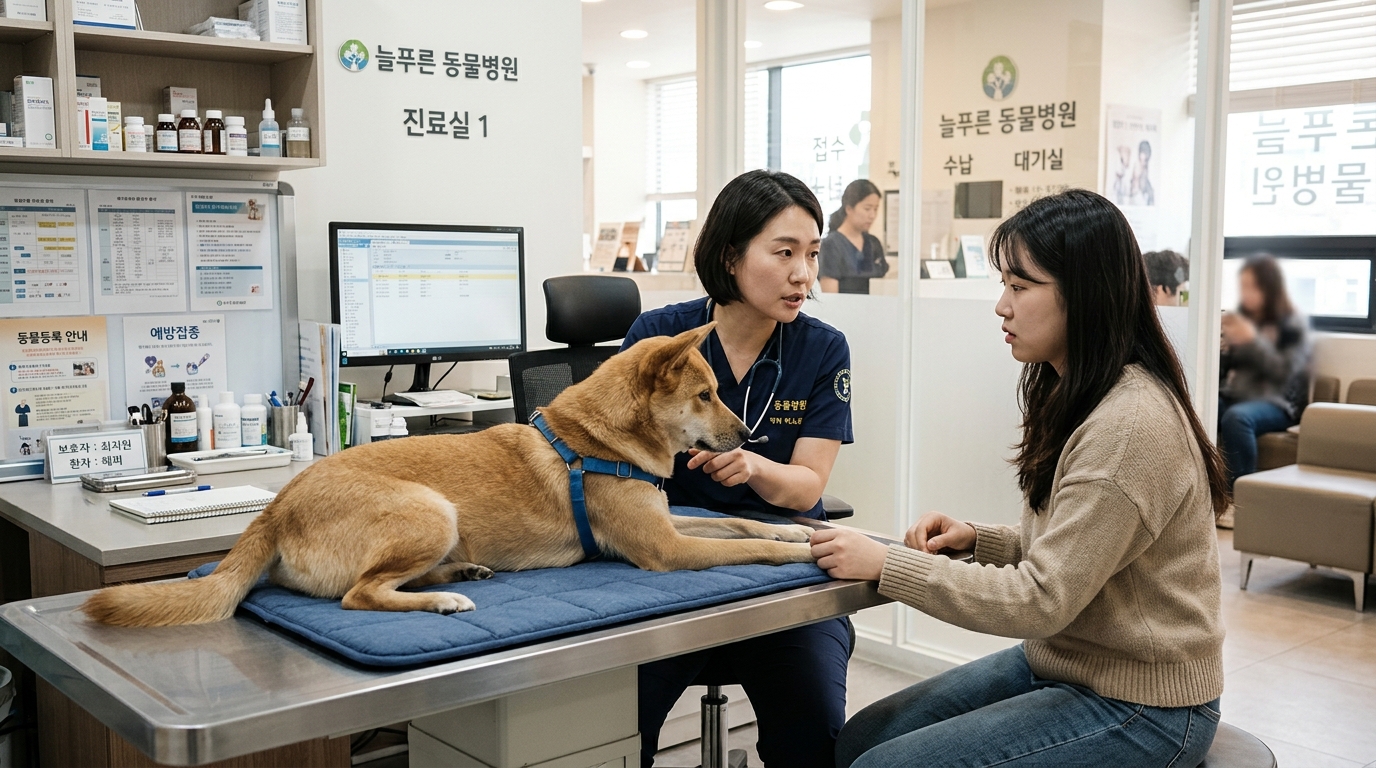
I Thought They Were Still Young, But the Signs of Aging Have Begun
1. A pet’s senior years generally begin at 7 to 8 years for dogs (6 years for large breeds) and 11 years and older for cats.
2. During the senior years, physical and behavioral changes occur, such as increased sleep, joint stiffness, and decreased grooming. Non-slip environments and senior nutritional management are essential.
3. A sudden spike in water intake, rapid weight loss, and disorientation are not simple aging but warning signs of disease, requiring an immediate vet visit.
[Empathy]
When you suddenly discovered that white fur settling around their eyes one day, your heart probably ached with a sudden feeling of guilt, didn’t it? The fact that my child, who always seemed like a baby, is growing older faster than I am is a truly hard sorrow to accept. But please do not be too sad. What your child needs the most right now is not their pet parent’s tears, but the peaceful reassurance (the feeling that they are still perfectly safe and loved despite their body becoming a bit heavier with age). Now is the time to pass on the boundless love you have given them so far with a slightly calmer and more meticulous touch. I, Ansim-i, will always be right by your side to reliably light up that path. Let’s walk together slowly, and very happily.

Do Dogs and Cats Understand Their Owner’s Sadness? The Scientific Truth Behind Pet Emotional Bonding
1. Dogs instantly detect sadness and stress through the smell of hormones (chemosignals) secreted due to their pet parent’s emotional changes.
2. Cats know how to grasp their pet parent’s facial expressions and voice tone, offering their own independent comfort by subtly lingering nearby or marking with pheromones.
3. Because a pet parent’s anxiety can be transferred entirely to the animal through emotional contagion and cause behavioral issues, it is important to maintain a calm and composed attitude as a leader.
[Empathy]
When pet parents shed tears, exhausted by the weight of the day, these small creatures quietly approach to share their body heat without needing grand consolations or solutions. Whether they figured it out through smell or by observing the mood (that might not even matter). Thanks to the unconditional love of our babies silently guarding our sadness, aren’t we already receiving the most perfect comfort? To our precious babies who embrace all your emotions with their whole bodies, I hope you give them the gift of a warm smile and a gentle stroke tonight.

Is Your Dog Not the Same as Before? How to Tell the Difference Between Normal Aging and Danger Signals in Senior Dogs
1. Increased sleep and decreased activity in senior dogs are perfectly natural physical aging responses to conserve energy and recover from fatigue.
2. Sensory decline (hearing and vision) is also a gradual aging process. However, behaviors like completely losing a sense of direction or getting trapped in corners should raise suspicions of a brain disorder, Canine Cognitive Dysfunction Syndrome (CCDS).
3. When accompanied by physical changes that disrupt daily life—such as limping, expressing pain, loss of appetite, or polyuria (excessive urination)—these are signs of disease, not aging, and must be evaluated by a veterinarian.
[Empathy]
Pet parents, whenever you see your baby sleeping soundly instead of energetically jumping around like they used to, I, Ansim-i, know all too well how your heart must ache with a sense of melancholy. Please do not blame yourself by thinking, “Did I do something wrong?” (You have always provided the best care possible). Right now, by your side, your baby is enjoying the safest and most peaceful deep sleep of their golden years. Simply matching your pace to their slowed footsteps and holding them more often to compensate for their fading vision will make them feel as happy as if they own the entire world. Stay strong; I will always be right here, researching diligently to help you!
Has Your Cat Started Avoiding High Places? A Complete Guide to the Differences Between Simple Aging and Osteoarthritis, and Signals to Visit the Vet
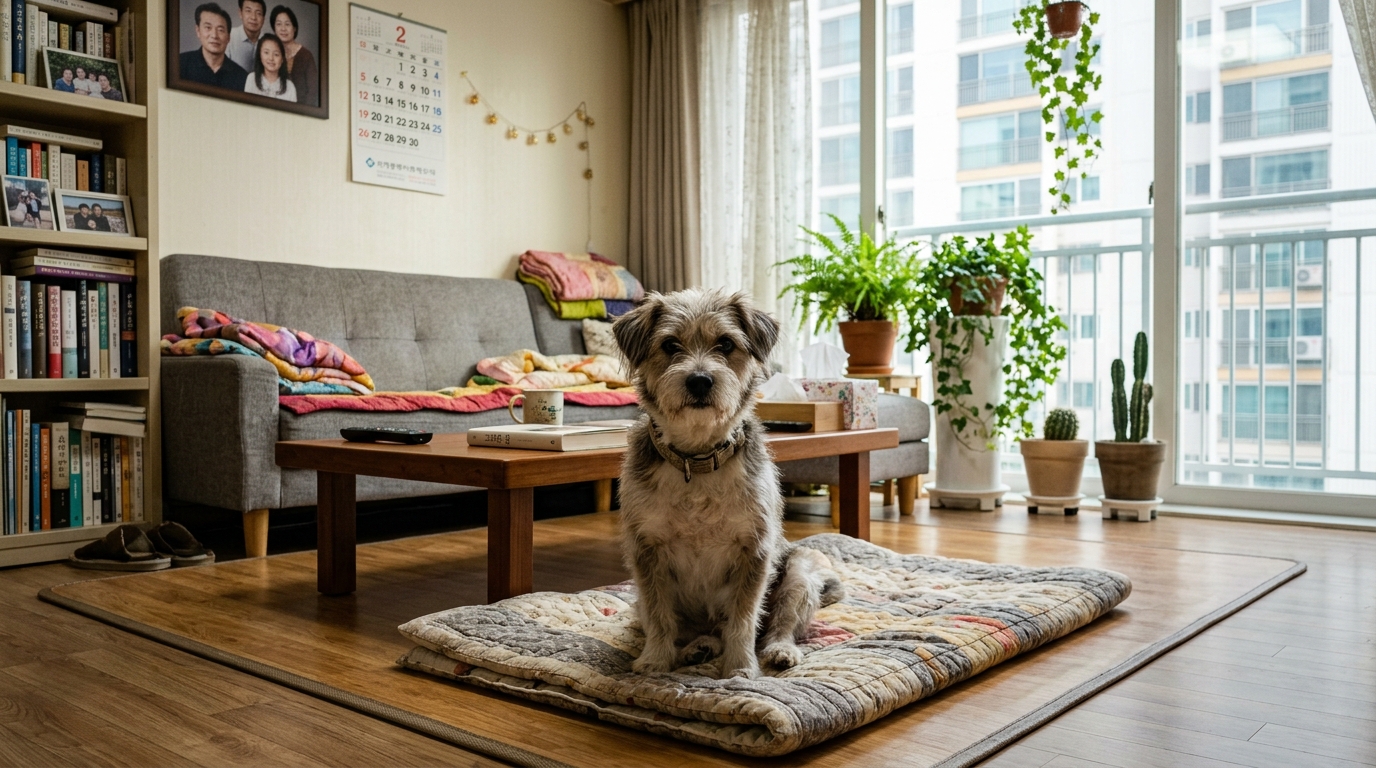
1. A cat avoiding high places is highly likely a pain signal caused by Degenerative Joint Disease (DJD), not a simple symptom of aging.
2. Normal aging is slow but successful in jumping, whereas osteoarthritis presents pain responses such as giving up on jumping, poor grooming, and hissing during physical contact.
3. To manage osteoarthritis, which affects 90% of cats over 12 years old, environmental improvements (such as installing ramps, weight loss, and applying non-slip pads) along with a veterinary diagnosis are absolutely essential.
[Empathy]
I know all too well how much your heart must have sunk and how upset you felt when you saw your baby from behind, just staring blankly at the high places they used to lightly fly up to every day. You must have also felt full of guilt watching your baby silently endure the pain without being able to speak up about it (you are truly doing your absolute best for them). However, a pet parent who has noticed their baby’s signals even now is a wonderfully warm guardian! If we fix and manage the environment one by one together, our baby will surely sing their happy purring song by your side for a long time, completely pain-free. Stay strong, pet parents! Ansim-i will always be cheering you on!
Hormonal Changes Behind Barking at Other Dogs and Stress-Relieving Responses to Sniffing During Dog Walks
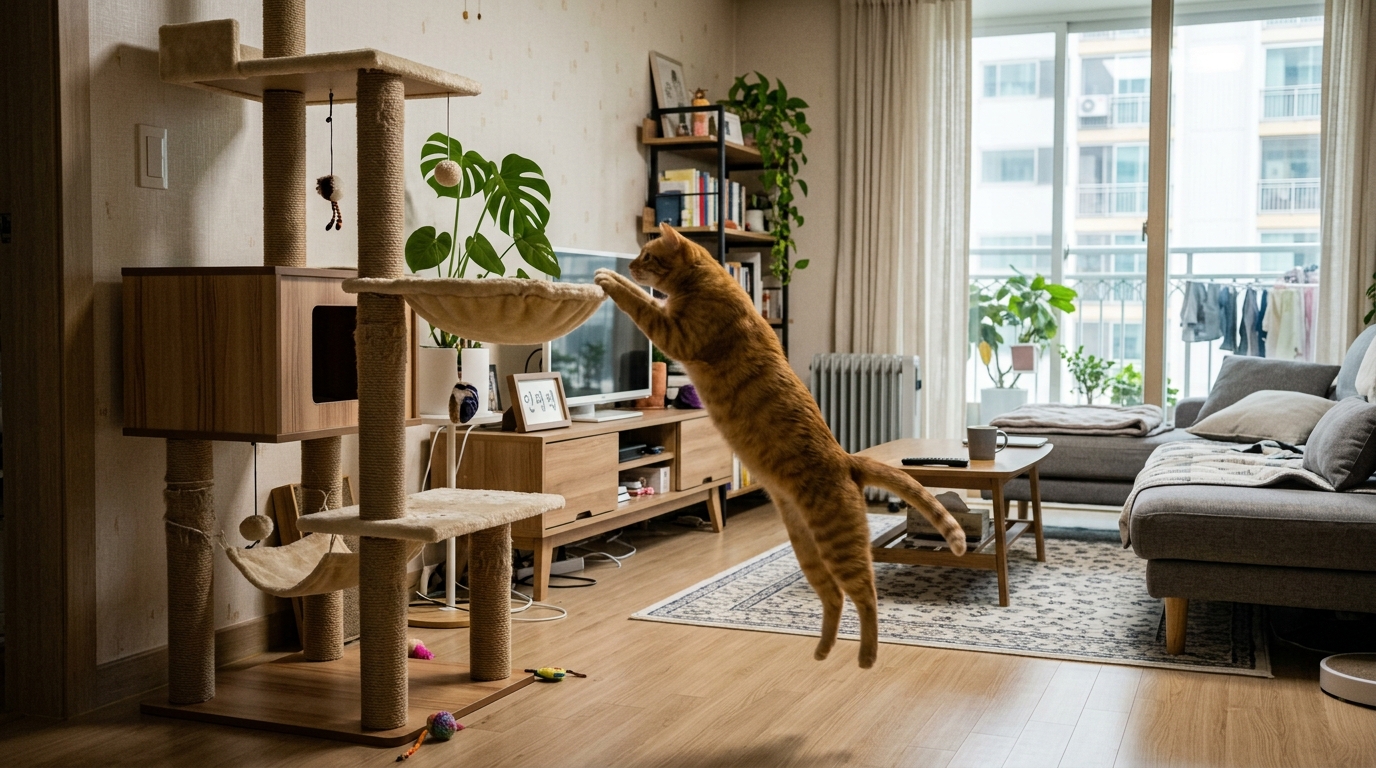
1. Encountering another dog causes adrenaline and cortisol to surge, putting the sympathetic nervous system into a state of hyper-tension.
2. Spotting a bird or cat triggers a dopamine explosion, causing the dog to feel an unstoppable predatory drive and the intense thrill of the chase.
3. Nose-work behaviors, such as deeply sniffing unfamiliar scents and scent rolling, secrete serotonin and endorphins, providing a powerful stress-relieving effect.
[Empathy]
You must have been so flustered when your furry baby suddenly turned into the Hulk! Actually, the dogs act this way because they simply cannot control their own feelings due to the hormones popping off in their heads. Instead of getting angry, take a slightly relaxed approach (saying to yourself, “Oh my, our baby’s brain is an amusement park right now!”) and gently create some distance. A pet parent’s warm understanding and patience always become the greatest tranquilizer for them!

The Perfect Guide to Dog-Friendly Restaurants, Cafes, and Walking Manners: The Standard of Petiquette
1. Thorough Preparation Before Visiting Commercial Facilities: Bring a pet carrier and belly bands, and familiarize yourself with the pet policies via reservation platforms beforehand to avoid inconveniencing others.
2. Strict Adherence to Leash and Distance Rules During Walks: Maintain a short leash under 6 feet (2m) according to local laws and strictly forbid off-leash walking to prevent safety accidents.
3. Securing the Ability to Handle Unexpected Situations: Refrain from forceful approaches when encountering unfamiliar animals. In case of external bleeding during a walk, apply pressure with clean gauze, immediately return home, and seek professional treatment.
[Empathy]
When your furry baby displays unusual and unfamiliar behavior outdoors, you must have been so flustered and upset while also worrying about what others around you were thinking, right? Please don’t blame yourself too much (you are doing great). It’s not because your dog is peculiar or bad; rather, that space was just too unfamiliar and scary, and they were simply sending a desperate signal asking for their pet parent’s help. If you take a more relaxed approach and practice step-by-step together using the methods shared today, they will definitely grow into a wonderful, well-loved, and praised dog wherever you go! Ansim-i is cheering for your unwavering, warm efforts and love with all my heart.

Tips for Improving the Litter Box Environment to Resolve Feline Idiopathic Cystitis Causes and Hematuria Symptoms
1. Feline Idiopathic Cystitis (FIC) is primarily caused by environmental stress, not bacterial infection, making thorough environmental management essential.
2. Increase water intake by switching from dry kibble to wet food, and place “number of cats + 1” litter boxes in quiet locations.
3. Anuria (inability to urinate) in male cats is an extreme emergency that causes acute renal failure, requiring immediate veterinary treatment.
[Empathy]
I deeply sympathize with the shock and worry pet parents must feel at the sudden sight of their cat’s bloody urine. Please do not blame yourself, thinking it might be your fault that your furry friend is sick (you are doing your absolute best). With your warm attention and small changes to the environment, your cat will surely be able to use the litter box comfortably again. Ansim-i will always be cheering you on!

Moving House and Sudden Cat Cystitis? Lead Researcher Ansim-i’s Detailed Report on Causes and Solutions
1. Cystitis in cats after moving is primarily caused by extreme stress from environmental changes (Feline Idiopathic Cystitis, FIC) rather than bacterial infections.
2. Hiding in corners for a few days is a normal alert response, but urinary abnormalities like pollakiuria, hematuria, and litter box accidents are danger signals requiring immediate treatment.
3. For prevention, it is essential to keep previously used items (like blankets with their scent), secure a safe dedicated room, use pheromone diffusers, and increase their water intake.
[Empathy]
Watching your sick child in an unfamiliar new house, you must have been anxious and blamed yourself, thinking, ‘Did I make my child sick by moving?’ My heart aches feeling your distress. But it is not your fault! It is simply a growing pain of adapting to a new environment. What you need right now is not self-blame but a warm gaze and a familiar blanket. If you gently comfort your cat’s heart using the methods Ansim-i shared, they will soon raise their tail and approach you again. Cheer up, pet parents, and our feline friends! Ansim-i is always cheering for you by your side!
The Ultimate Guide: Why Your Dog Obsesses Over One Person & Separation Anxiety Training
1. Distinguishing Separation Anxiety from Attachment: If your dog’s following behavior is accompanied by fear and panic, it is not simply affection but a symptom of separation anxiety, making scientific counter-conditioning training essential.
2. Positive Reinforcement-Based Behavior Modification: Issues like doorbell barking or pulling on walks are resolved not through punishment, but by positively changing their fundamental emotional state through desensitization training and rewards.
3. Medical Approach to Senior Dog Behavioral Changes: Sudden aggression or potty accidents might be caused by pain or Cognitive Dysfunction Syndrome (CDS), requiring a veterinary diagnosis first.
[공감]
It breaks my heart to think that behind those clear eyes looking only at you, there was a hidden, secret anxiety. With your warm efforts and patience in trying to understand your dog’s heart, your furry friend will surely regain a peaceful and happy daily life. I will always sincerely root for the peaceful days of you and your dog!

Newborn Kitten Won’t Nurse and Feels Cold: Hypothermia, Hypoglycemia, and Emergency Warning Signs
1. A newborn kitten that feels cold, becomes weak, or stops nursing needs prompt attention because neonatal kittens have limited ability to regulate body temperature and maintain blood glucose.
2. Do not force milk into a cold, weak, poorly responsive, or poorly swallowing kitten. Hypothermia can impair gastrointestinal function and increase the risk of regurgitation and aspiration.
3. Provide controlled, indirect warmth while arranging veterinary care. Severe lethargy, breathing difficulty, poor responsiveness, seizures, or continued inability to nurse should be treated as urgent warning signs.
[Empathy]
Finding a tiny kitten cold and unwilling to nurse can be frightening, especially when you feel that you have to do something immediately.
I’m Ansim-i. In this situation, doing more is not always safer. A weak newborn may not be able to swallow or digest normally, so forcing milk or repeatedly giving sugar solutions can create additional risks.
Keep the kitten safely warm, observe breathing and responsiveness, and contact a veterinary professional as quickly as possible. With newborn kittens, small changes can matter.

Cat Keeps Going to the Litter Box but Little or No Urine Comes Out? When It’s an Emergency
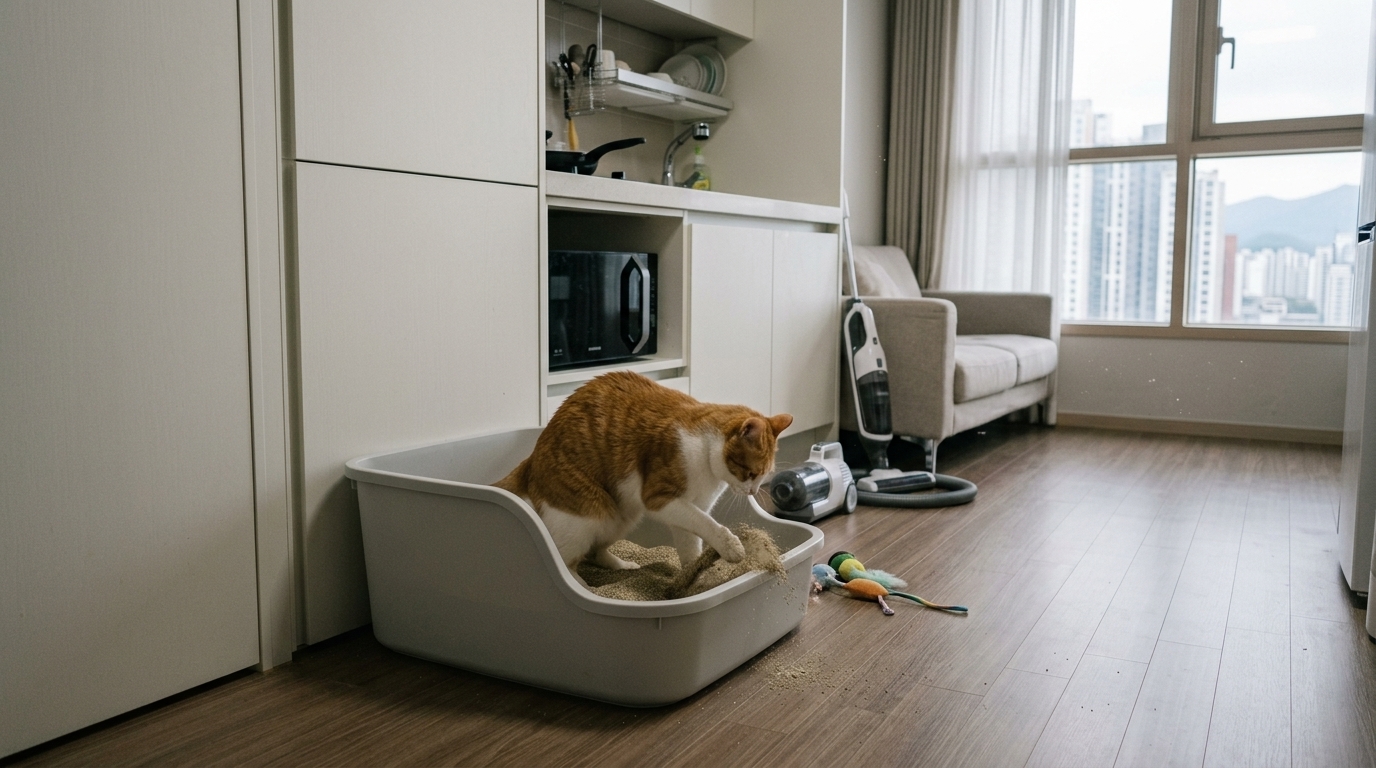
1. Cats primarily visit the litter box frequently due to urethral irritation caused by Feline Idiopathic Cystitis (FIC), bladder stones, or stress.
2. During frequent urination behavior, whether the actual “volume of urine passed” (clump size) is small or non-existent is the key criterion separating danger from safety, rather than the “number of visits.”
3. If a cat cannot urinate for over 12 hours or passes bloody urine—especially in male cats with narrow urethras—it is a life-threatening urethral obstruction emergency, and you must go to the vet immediately.
[공감]
Watching your small and fragile cat pace around the litter box in distress, I completely empathize with how your heart must be burning with anxiety because you cannot take the pain away for them. Please do not blame yourself too much, as feline urinary diseases often stem from the unique sensitivity of territorial animals rather than a pet parent’s indifference. The careful observation and swift response you are showing right now will be the greatest strength in protecting your precious cat’s life. Ansim will be right by your side, supporting you with all my heart! Stay strong!
Causes of Pink Hematuria in Cats and Emergency Treatment for Cystitis
1. There is no “normal” category for feline hematuria; stress-induced Feline Idiopathic Cystitis (FIC), uroliths (stones), and bacterial infections are the main causes.
2. Pink urine, crying during urination, and frequent urination indicate bladder mucosal damage and pain, requiring immediate status recording and environmental modification.
3. Urethral obstruction, where the cat cannot urinate at all, is a life-threatening super emergency that requires an immediate visit to the veterinary clinic.
[Empathy]
Ansim completely understands how your heart must have dropped when you first saw the red traces on the litter sand. Because our precious cats cannot speak, you must have burst into tears worrying about how much pain and fear your furry friend is going through alone. However, you must stay grounded and act quickly to relieve your cat’s pain as soon as possible. Ansim will always be by your side to help, so please don’t blame yourself and prepare for a veterinary visit right now!

Canine Hypothyroidism: Causes and Solutions for Weight Gain and “Rat Tail” Hair Loss Despite Eating Less
1. Disease Characteristics: Gaining weight despite eating less and falling into extreme lethargy are classic symptoms of “Hypothyroidism,” a deficiency in metabolism-regulating hormones, not simple obesity.
2. Physical Clues: Be sure to check for non-itchy symmetrical hair loss, especially the “rat tail” phenomenon where tail hair falls out completely, as well as abnormal sensitivity to the cold.
3. Treatment and Management: Following a definitive diagnosis through a vet’s blood test, consistently taking the prescribed thyroid hormone medication for life will allow your dog to enjoy a vibrant and healthy life just like before.
[공감]
Pet parents, you must have felt so frustrated and sorry to see your furry friend gaining weight and becoming lethargic despite your strict diet efforts, right? The weight gain was never your fault; it was simply because the little engine inside their body broke down and they were struggling. With consistent medication, they will soon be wagging their tail and running into your arms just like before, so please don’t blame yourself. Let’s prepare for a healthier tomorrow together with your little one!

Feline Cystitis: 7 Clues That Separate FIC From a Bacterial UTI—and When a Blocked Cat Is an Emergency
1. Blood in the urine, straining and frequent litter-box visits can occur with FIC, stones, urethral obstruction or bacterial UTI, so appearance alone does not identify the cause.
2. FIC is common in otherwise healthy younger adult cats, while bacterial UTI becomes more likely with older age or conditions such as CKD and diabetes.
3. A male cat repeatedly straining with little or no urine may be obstructed and needs emergency assessment.
[공감]
Seeing blood in the litter box makes “infection” feel like the obvious answer. Ansim-i will show why cats are different and why the cause matters before antibiotics.
Why Do Dogs Sigh? How to Tell Relaxation from Pain or Breathing Trouble
1. Dogs can sigh during normal relaxation or transitions between activities, so one long exhale does not automatically signal sadness or illness.
2. The useful clues are what comes with the sigh: faster breathing, coughing, reduced mobility, pain behavior, appetite change, or loss of interest in normal activities.
3. Record the context—resting, after exercise, climbing stairs, or after coughing—rather than counting sighs alone.
[공감]
A long “huff” from a dog can feel surprisingly human. Ansim-i will help you enjoy the personality without turning every sigh into a diagnosis—or missing the cases where the breathing pattern really has changed.

Total 114 research articles published.