

The Perfect Guide to Dog-Friendly Restaurants, Cafes, and Walking Manners: The Standard of Petiquette
Magentalab Research Team
July 27, 2026

Hello! I am Ansim-i the Dachshund, the Chief Researcher at Magentalab Pet Research Institute! Today, I’ve brought an informative research report for the happy journey of you and your pets.
Does your dog act like an angel at home, but turn into an uncontrollable troublemaker in unfamiliar restaurants or cafes, leaving you completely flustered? Many pet parents experience their dogs losing control outdoors and tend to blame their own training methods or the dog’s personality. However, this is never a case of your dog suddenly developing a bad attitude. It is a natural stress response and extreme anxiety triggered by sudden exposure to an outdoor environment overflowing with unfamiliar visual, auditory, and olfactory stimuli, combined with a lack of understanding of the rules in that specific space. In today’s report, we will provide professional solutions to help you manage these situations proactively and practice perfect “petiquette.”
| Core Petiquette Topics | Essential Guidelines for Pet Parents | Outing Prep & Checklist |
| Dog-Friendly Commercial Facilities | Prevent leaving designated seats, property damage, and barking | Pet carrier, personal mat, belly bands/dog diapers, check reservation platforms |
| Urban Walking Manners | Absolutely no off-leash walking, seek consent before approaching others | Short leash (under 6 feet), harness, plenty of poop bags |
| Sudden Emergencies | Immediate spatial separation if overexcited, quick hemostasis and return home if injured | Portable pet first aid kit, high-value treats for positive reinforcement |
1. Essential Petiquette Prep for Beginners Visiting Dog-Friendly Cafes and Restaurants
Using commercial facilities with your dog is an activity that requires thorough preparation and a strong sense of responsibility from pet parents. Since these are shared spaces with non-pet owners, maintaining your dog’s psychological stability without causing inconvenience to others is paramount.

Precautions When Booking Dog-Friendly Cafes
Even if a cafe or restaurant is advertised as dog-friendly, the permitted dog size, breeds, and entry conditions vary by establishment. There may be detailed regulations, such as restricting large breeds or requiring dogs to stay only in specific areas. Before visiting, utilize phone calls or internet platforms to check the exact pet policies and secure your seating in advance.
Simply avoiding peak hours through stable reservation management can significantly reduce the spatial pressure your dog feels. Additionally, always bring a dedicated pet carrier or a soft personal mat where your dog can stay safely. Dogs feel the greatest psychological comfort when given a confined space infused with their own scent. Placing a shedding dog directly on a chair or sofa meant for human use can cause severe discomfort to others regarding public hygiene and should be strictly prohibited.

Behavioral Training Tips to Prevent Indoor Mounting and Barking
When a dog barks excessively at others or attempts mounting (humping) in restricted and unfamiliar indoor spaces like restaurants or cafes, it stems from excessive stress and adrenaline secretion. Before entering a commercial facility, take a light 10 to 15-minute walk around the area to induce urination and deplete their energy through sufficient scent work (sniffing).
Entering an indoor space after releasing energy in a positive direction lowers the brain’s arousal level, allowing them to stay in their seat much more calmly. To prevent the instinct to mark territory in unfamiliar spaces, having both male and female dogs wear belly bands or dog diapers indoors is the basic standard of modern petiquette.
If your dog suddenly starts barking or becomes extremely excited, you must immediately block their vision or carry them outside to a quiet area to calm down. To ensure your dog doesn’t get bored during the long periods you spend eating or conversing, redirect their attention by providing long-lasting chews or functional puzzle toys firmly stuffed with their favorite treats.

2. Safe Walking Manners in the City: Off-Leash Fines and the 6-Foot Leash Rule
Walking is an essential activity that boosts your dog’s metabolism and relieves stress. However, in outdoor environments filled with unexpected variables, applying very strict rules is necessary to protect your dog’s safety and the rights of others.

Proper Handling of Encounters with Unfamiliar Dogs and Cats on the Trail
According to local animal control laws, when taking your dog out, they must wear a harness or collar equipped with an ID tag displaying the owner’s information. Furthermore, to comply with strengthened safety ordinances, the length of the leash in public facilities or general walking paths must be kept short, strictly within 6 feet (approx. 2 meters). Allowing a long, retractable leash to extend without control not only obstructs pedestrian traffic but also causes fatal collision accidents with suddenly appearing bicycles or electric scooters.
Leaving your dog off-leash is a significant threat to others and is subject to immediate fines (which can be several hundred dollars). Above all, please keep in mind that going off-leash is an irresponsible act that removes the only safety device capable of saving your dog’s life in sudden emergencies. When navigating narrow sidewalks, apartment hallways, or crowded residential areas, you should practice “Heel” training as a daily habit, holding the leash even shorter and keeping your dog close to your knee.
How you react when encountering an unfamiliar dog or a stray cat during a walk is also crucial. Letting your dog approach or go nose-to-nose with another pet without the owner’s permission is considered highly rude and dangerous, even in the dog world. The hasty judgment of “My dog never bites” can lead to unexpected dog bites. If you want your dog to greet another dog, always ask for explicit consent from the other pet parent from a distance first.

If the other dog strongly tucks its tail between its legs and backs away, or if a stray cat raises its fur and hisses defensively, you must immediately pull the leash, gently change direction, and leave the area. Also, always carry poop bags and a water bottle during walks to promptly pick up your dog’s solid waste. Show mature manners by spraying clean water over the spots where they urinate to minimize odors and hygiene issues.
3. Emergency First Aid for Dog Nail Bleeding and Vet Consultation Criteria
No matter how perfectly you follow walking manners, unpredictable emergencies can occur due to the nature of outdoor environments. The true completion of petiquette lies in the pet parent’s crisis management ability to calmly protect their dog’s safety in the event of an unexpected injury.
During outdoor activities, it is common for dogs to step on hidden glass shards in sidewalk cracks or sharp branches in the grass, resulting in deep cuts to their paw pads or broken nails that bleed profusely. A dog’s nail contains a thick blood vessel (the Quick) and nerves; damage to this area causes significant bleeding and immense pain.

At this moment, do not panic or scream. Immediately stop the walk and have your dog sit right there to stabilize them. Take out a clean gauze pad or dry towel from your pre-packed walking first aid kit and apply gentle but firm pressure to the bleeding area for at least 5 minutes to attempt initial hemostasis. Absolutely avoid washing the wound with contaminated puddles or applying harsh human disinfectants or ointments on your own, as this can cause tissue necrosis or severe secondary bacterial infections.
If the nail is broken deeply near the root and the bleeding does not stop despite continuous pressure, or if your dog complains of extreme pain and limping to the point they cannot walk, you must swiftly move to the nearest veterinary clinic while maintaining the pressure. When dealing with topics related to diseases, health abnormalities, or trauma, do not make arbitrary diagnoses or prescribe treatments based on internet information; always consult a veterinarian for an accurate diagnosis. Only professional medical treatment can prevent secondary complications such as tetanus or sepsis.
Outdoor activities with your dog prioritize peaceful coexistence with non-pet owners and the community. The careful, scientific management by pet parents and strict adherence to petiquette are the strongest and only ways to expand dog-friendly zones and positively change public perception of animals.
Recommended Research Data 🕸️

The Ultimate Guide: Why Your Dog Obsesses Over One Person & Separation Anxiety Training

Why Do Dogs Sigh? Is It Simply an Expression of Emotion, or a Red Flag from Their Body?
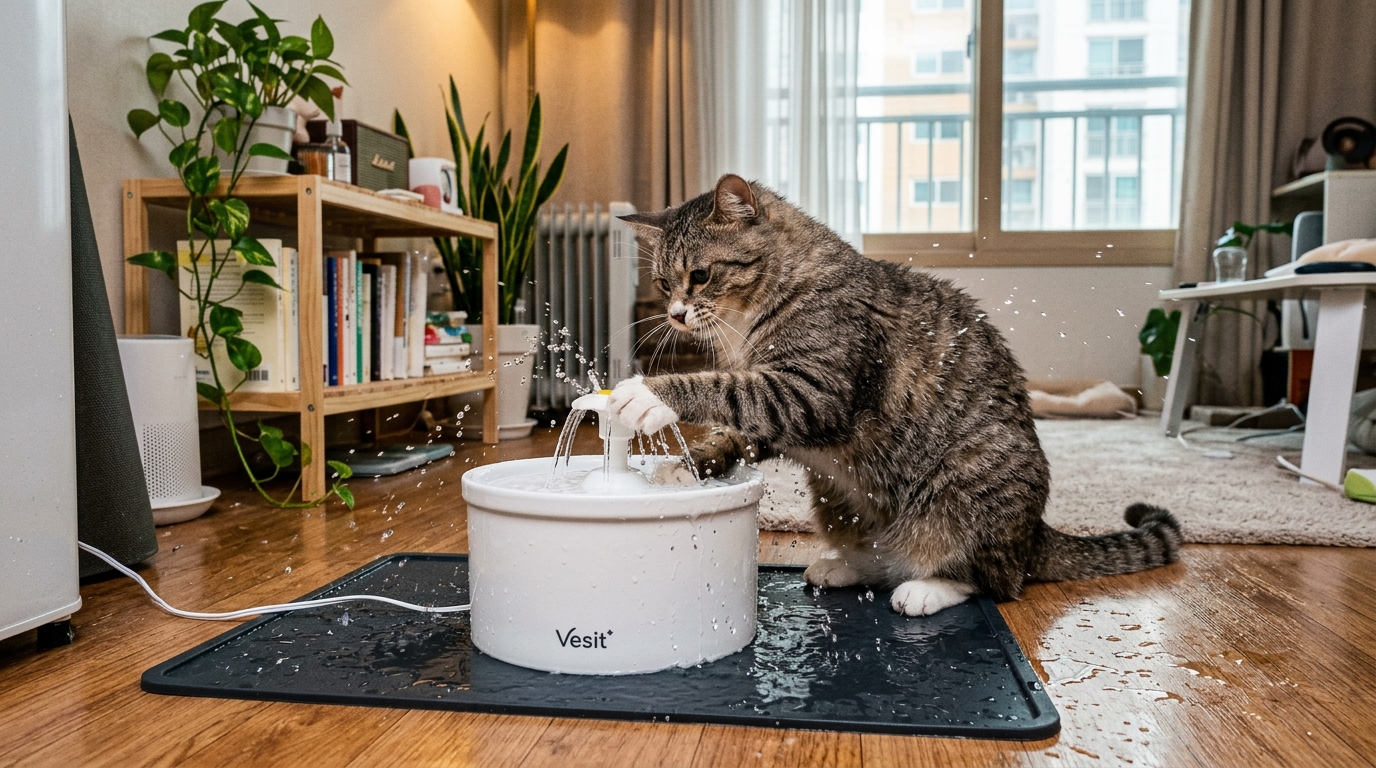
Veterinary Reasons Why Cats Dip Their Paws in Water Before Drinking & Tailored Solutions for Pet Parents
Comments (0)
No comments yet. Be the first to leave one!