
안심이 연구원이 정보를 분석하고 있어요
Analyzing / 情報分析中
잠시만 기다려주세요...
안심이 연구원이 정보를 분석하고 있어요
Analyzing / 情報分析中
잠시만 기다려주세요...
Discover evidence-based veterinary research
and daily care guides from Magentalab Pet Research Institute.
1. Toxicity unaffected by heat: The toxic components of onions and garlic are not destroyed by boiling, roasting, or drying, making broths and processed snacks extremely dangerous.
2. Delayed hemolytic anemia: Rather than appearing immediately after ingestion, symptoms like pale gums, jaundice, and cola-colored urine fully manifest as red blood cells are destroyed 1 to 3 days later.
3. Kidney damage and emergency visit: A massive amount of hemoglobin ruins the kidneys and causes acute kidney injury, so you must visit the hospital immediately for emesis and fluid therapy.
[Empathy]
I can completely feel how your heart must have sunk and your mind gone blank, pet parents, when you realized your dog ate food full of onions or garlic. Rather than blaming yourself and wasting time, contacting the hospital right away (which ensures timely medical intervention) is the greatest courage you can show to save your little one. I, Ansim-i, will be reliably cheering you on right by your side, so stay strong and handle this calmly! Your child will definitely get healthy again!

1. A pet’s senior years generally begin at 7 to 8 years for dogs (6 years for large breeds) and 11 years and older for cats.
2. During the senior years, physical and behavioral changes occur, such as increased sleep, joint stiffness, and decreased grooming. Non-slip environments and senior nutritional management are essential.
3. A sudden spike in water intake, rapid weight loss, and disorientation are not simple aging but warning signs of disease, requiring an immediate vet visit.
[Empathy]
When you suddenly discovered that white fur settling around their eyes one day, your heart probably ached with a sudden feeling of guilt, didn’t it? The fact that my child, who always seemed like a baby, is growing older faster than I am is a truly hard sorrow to accept. But please do not be too sad. What your child needs the most right now is not their pet parent’s tears, but the peaceful reassurance (the feeling that they are still perfectly safe and loved despite their body becoming a bit heavier with age). Now is the time to pass on the boundless love you have given them so far with a slightly calmer and more meticulous touch. I, Ansim-i, will always be right by your side to reliably light up that path. Let’s walk together slowly, and very happily.
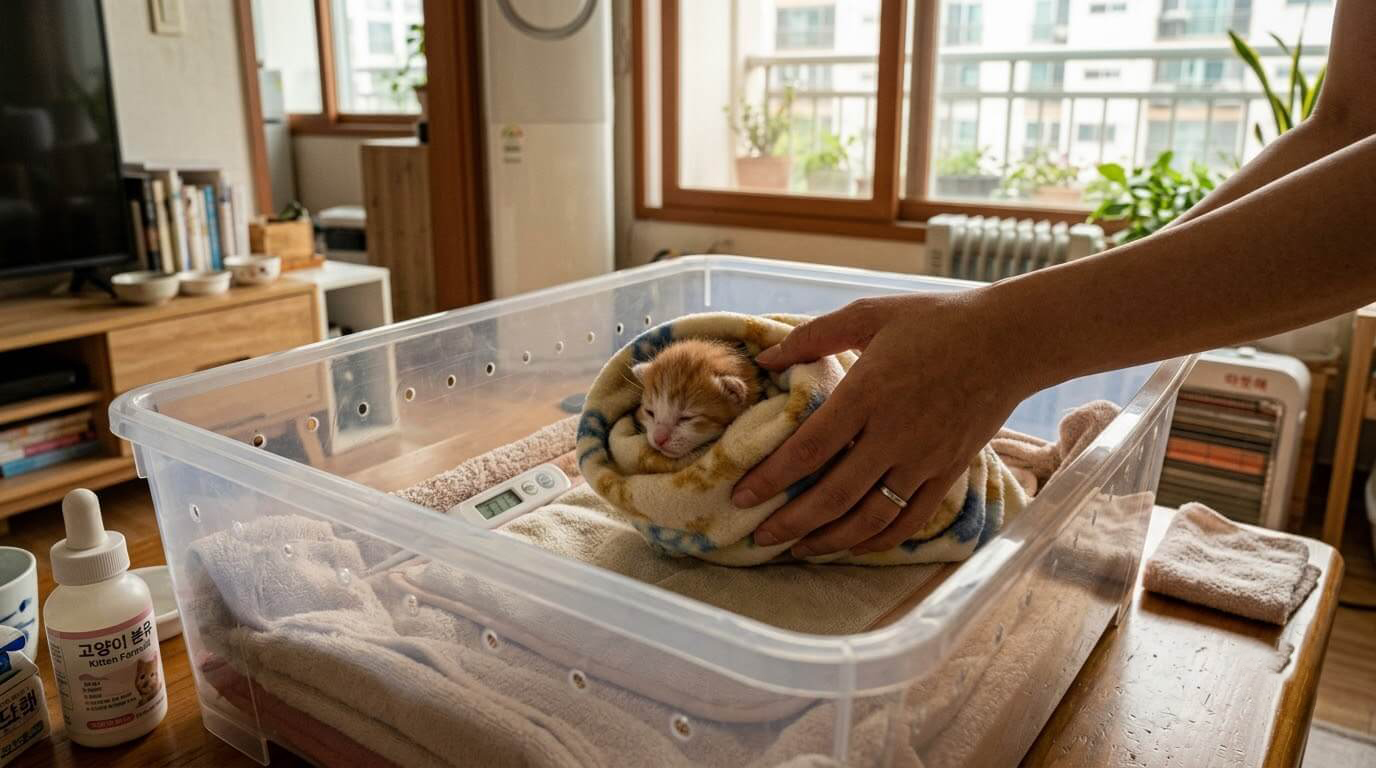
1. No Feeding Immediately After Rescue: When rescuing a neonatal kitten, setting up an incubator to raise their body temperature must take priority over feeding milk.
2. Temperature formation: To prevent burns and heatstroke, divide the inside of the box into a warm area and a cool area, and strictly avoid direct contact with heat sources.
3. Strict Ventilation and Hygiene: Ensuring air holes to prevent suffocation and rigorously changing potty pads to prevent umbilical cord infections are absolutely essential.
[Empathy]
I know exactly how shocked and helpless you must have felt. You couldn’t turn away from that tiny life shivering on the street, and the warm hands you used to hold that rapidly cooling baby are already the greatest, coziest incubator in the world for this kitten. Please don’t feel sorry for being inexperienced. Your earnest efforts to hold on to this thread of life and not give up will surely give the baby the strength to survive. You have worked so hard, and thank you.

1. In the first month of adopting a cat, you will face an initial cost of at least $375 to $750+ for essential living supplies, spay/neuter surgery, and basic vaccinations.
2. Considering your cat’s health, the fixed monthly maintenance costs for food, treats, and litter average around $75 to $115.
3. To prepare for unexpected emergency illnesses and geriatric medical expenses, you should actively consider setting up a monthly “feline savings account” or enrolling in “pet insurance” shortly after adoption.
[Empathy]
You might be a little surprised by the heavy realistic weight hidden behind the excitement of welcoming a new family member (right?). However, this responsible attitude of studying and preparing the costs meticulously before adoption is clear evidence that you are already prepared to be the warmest and best pet parent in the world! Ansimi will support your beautiful first step with all my heart!
1. The expenditures pet parents regret most are impulsively purchased fashion clothing, bulk food bought without checking palatability, and expensive appliances their pets show no interest in.
2. Rather than feeding large amounts of supplements based solely on ads, you must consult a veterinarian and administer only the necessary ingredients to protect their liver and kidney health.
3. The smartest expenditure is investing in regular health check-ups and preventive medicine to proactively prevent exorbitant medical bills in the future.
[Empathy]
During your early days as a novice pet parent, it is completely natural to want to give your baby only the prettiest and best things in the world. I, Ansimi, know that loving heart very well! However, please remember that what your pet truly wants is not an expensive item, but the time spent together sharing your (the pet parent’s) warm body heat. Rather than blaming yourself, you can simply love them in a healthier and smarter way moving forward, so please do not worry too much!
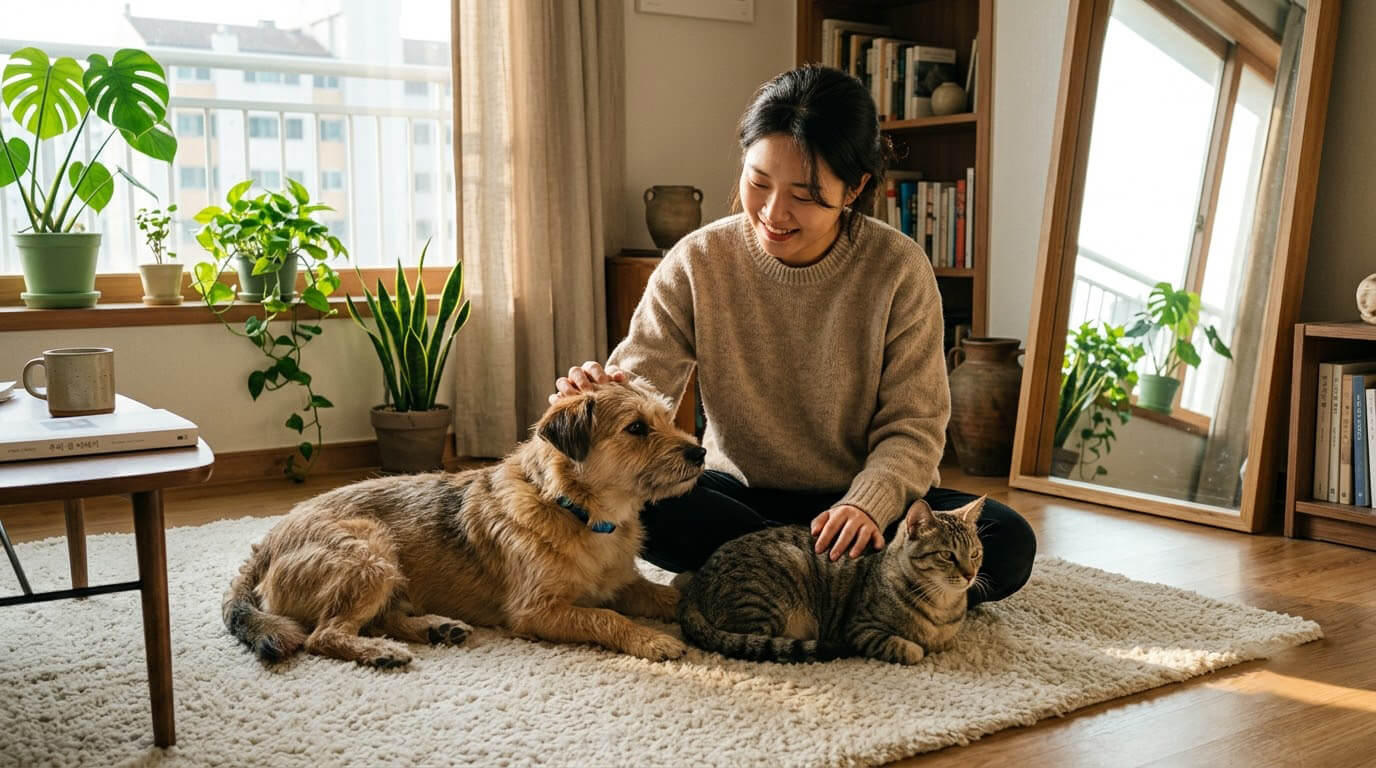
1. Dogs perceive the world primarily through smell, so they quickly lose interest in the scentless reflection in the mirror, not recognizing it as a real dog.
2. Because of their reliance on vision and dynamic visual acuity, cats mistake the mirrored figure for a competitor invading their territory, displaying strong vigilance.
3. While pets may not pass a visual mirror test, they clearly recognize their own identity through their primary senses (like smell). If mirror-induced stress is severe, blocking their view and using positive reinforcement training is essential.
[Empathy]
No matter how much we try to explain it to them, watching our pets fight their own reflection every day feels both adorable and a bit pitiful. If we can gently understand and embrace their extraordinary (and wondrous) sense of reading the world through smell rather than sight, their world will become much wider and warmer than the one inside the mirror.
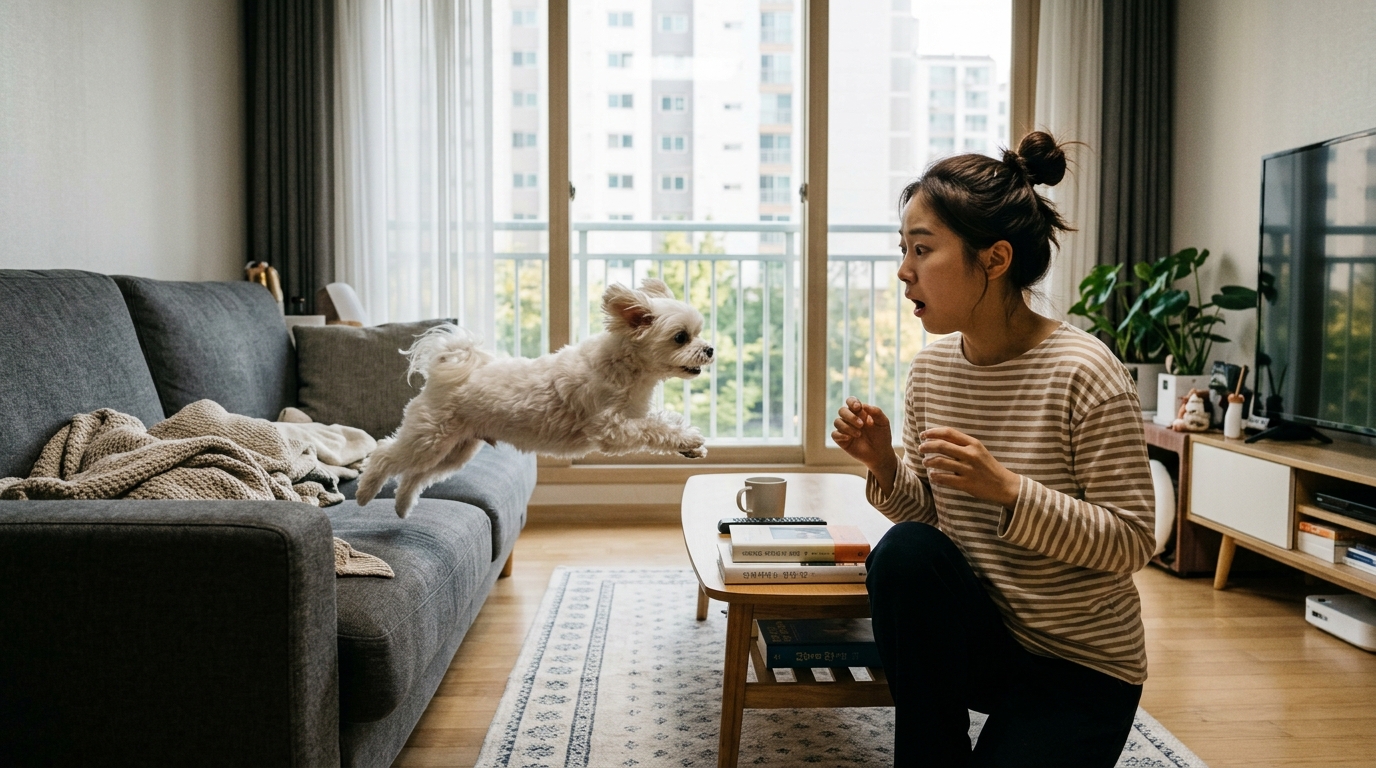
1. The impact your dog’s knee joints absorb when jumping off a sofa or bed reaches up to 5 times their body weight, which is the core cause of patellar luxation.
2. For small dogs with genetically shallow trochlear grooves (Pomeranians, Maltese, etc.) and Dachshunds vulnerable to spinal shock, furniture taller than 30cm is especially fatal.
3. You can effectively prevent patellar luxation without surgery by installing slide ramps, laying down non-slip mats, maintaining an optimal weight, and strengthening thigh muscles.
(Empathy)
Pet parents, how anxious you must have been every time your dog carelessly jumped off the sofa, clutching your pounding heart! When you see your dog jumping cheerfully even after you shout, ‘Don’t get down!’, you must have felt frustrated, yet at the same time, felt sorry (worrying if they were in pain because you couldn’t protect their joints). But please do not blame yourself. From now on, you can start laying down floor mats and slowly training them to use stairs with me, Ansim. Your dog’s knees will surely feel your tireless efforts and warm love. Always cheer up, Ansim will always be by your side supporting you!
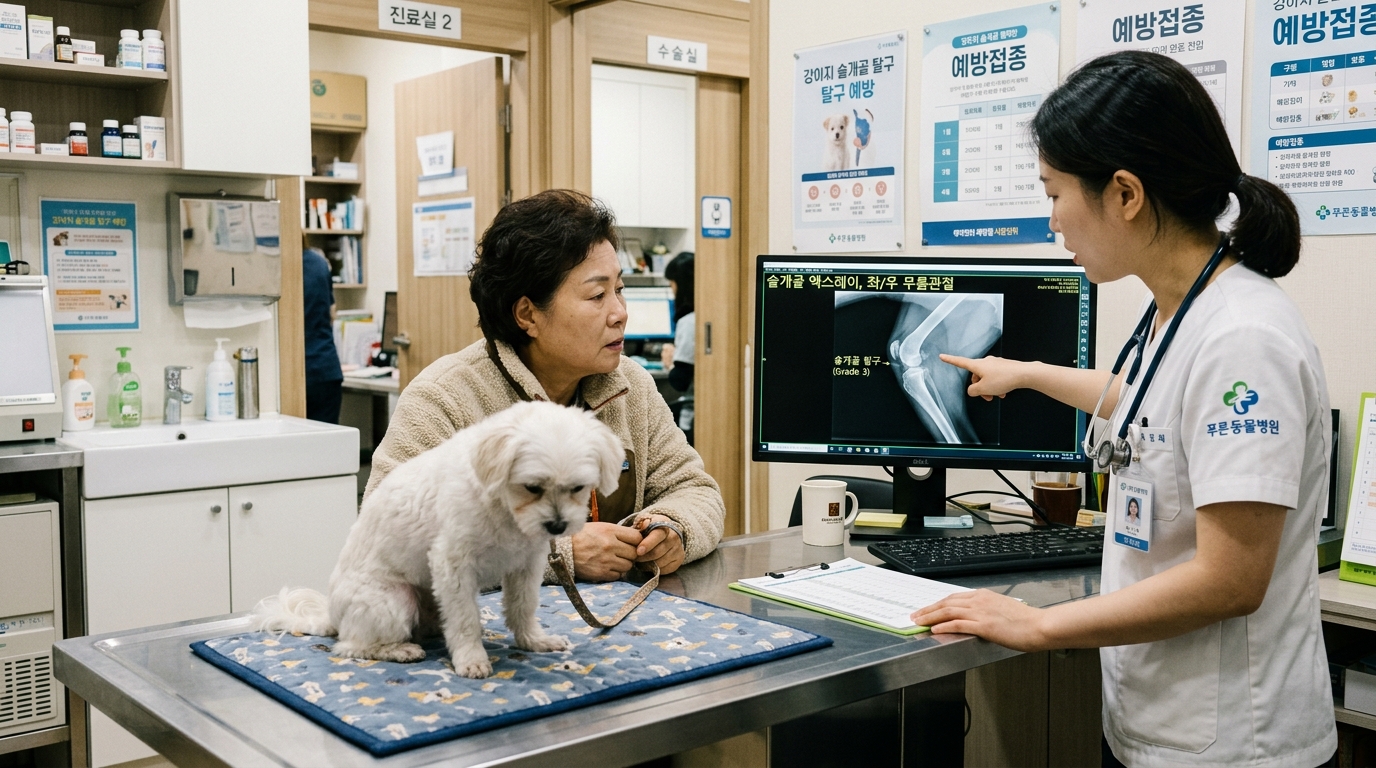
1. A dog lifting its hind leg while walking might be a simple habit, but there is a very high probability that it is an early symptom of “patellar luxation,” which pet parents most commonly miss.
2. Patellar luxation is a progressive disease divided into stages 1 to 4. Ignoring symptoms like walking on three legs or shaking the leg out will lead to degenerative osteoarthritis and leg deformity.
3. You can prevent and manage knee joint issues by installing non-slip indoor mats, grooming paw pads, preventing vertical jumps, maintaining an optimal weight, and feeding joint supplements.
[Empathy]
Pet parents, I, Ansim, know all too well that feeling of your heart sinking when your dog briefly lifts their leg and hops along (even while hoping it’s nothing serious). Because I also have a long back and short legs and must always be careful about my joint health, I completely empathize with a pet parent’s tendency to get startled by even the smallest sign of discomfort. You must have been even more anxious because your dog cannot express their pain in words, right? But please don’t blame yourself or be too anxious! Just by taking an interest and studying like this right now, you are already the most wonderful and warmest parent in the world. I, Ansim, will always be right beside you, carefully keeping a healthy watch over them, so let’s pave a strong, healthy path for our dogs together!

1. A dog barking or mounting a guest is not jealousy, but a territorial defense instinct and a stress-relief behavior due to information overload in the brain.
2. Cats view unfamiliar body odors as an invasion by a predator and feel extreme fear. Forcing them to greet guests can trigger fatal diseases like Feline Idiopathic Cystitis (FIC).
3. Pet parents must prepare a safe zone, such as a kennel or vertical space, before the visit. Guests should maintain complete indifference toward the pet initially, and later instill a positive perception using treats.
[Empathy]
Pet parents, you have worked so hard sweating over whether your baby will bark or hide in a corner and refuse to eat every time a guest arrives, right? (You must have been upset wondering why your angel-like baby is acting this way, but the truth is, with their tiny hearts, they were just too scared, or they were desperately trying to protect our family.) Now, please soothe their frightened hearts first, and teach them how to greet the world slowly and safely using the methods Ansim-i shared today. I, Ansim-i, will always be cheering for you by your side!
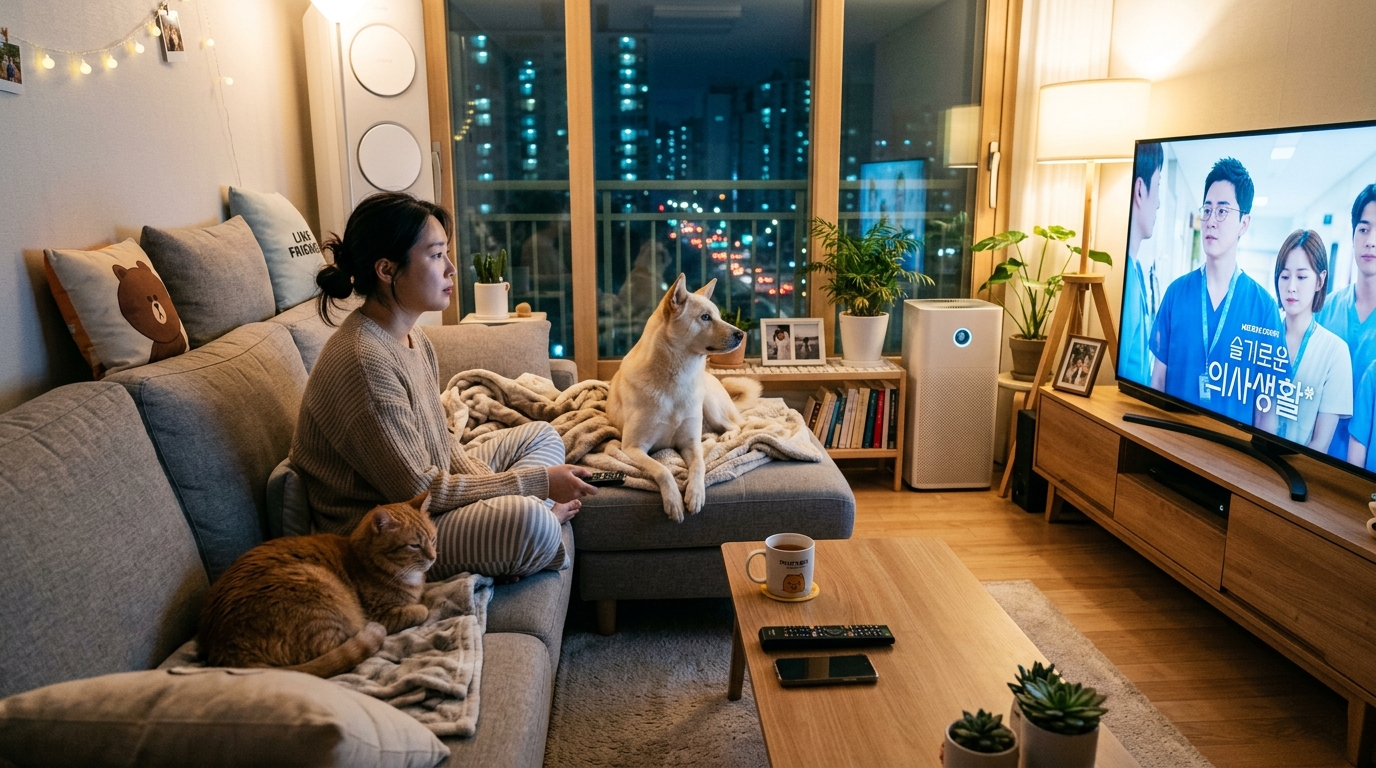
1. The time of dogs and cats flows much faster in the beginning compared to humans, and the traditional method of simply multiplying by 7 is scientifically incorrect.
2. Small dogs and large dogs age at different rates, requiring tailored nutrition and joint care suited for their specific weight class and life stage.
3. You must strictly distinguish between normal, natural aging phenomena and danger signs (like PU/PD, sudden weight loss) for diseases like dementia, renal failure, and heart disease, and visit the veterinary clinic promptly.
[Empathy]
(Pet parents, your heart must ache a little seeing the child who once had a moist nose now having a dry one, with white hairs forming around their eyes.) (You can safely let go of the guilt of thinking, “If only I had taken better care of them.”) (In your warm embrace, they are living the most dazzling and happy life possible.) (Our love will deepen just as much as the flowing time, so tonight, please press a loving kiss onto their forehead.) Ansim-i will always be cheering for you by your side!
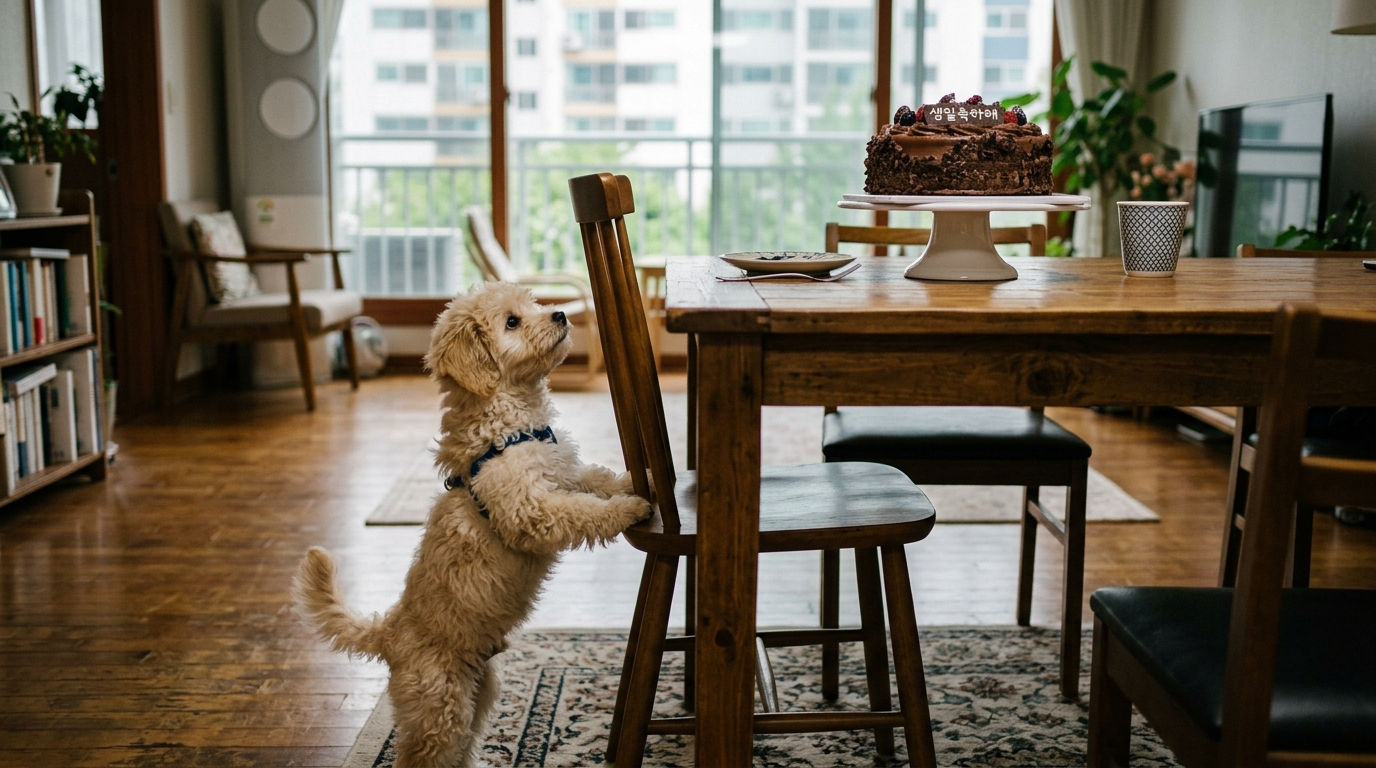
1. Dogs cannot break down the “theobromine” in chocolate on their own, causing fatal toxicity to their nervous system and heart.
2. If they ate chocolate, you must identify the time of ingestion, amount, and type of chocolate (dark, milk, etc.), secure the wrapper, and contact the vet immediately.
3. The bystander attitude of “They only ate a little, so they will be fine” is the most dangerous. Especially for dark chocolate ingestion or puppies, visiting the hospital within the golden window is mandatory.
[Empathy]
Oh my, your heart must have completely dropped when you saw that torn chocolate wrapper. (I can feel how startled and worried you must be, perhaps even with trembling hands, and my heart as Ansim-i aches so much as well.) But your calm response right now is the greatest power to save our precious pup! Please do not blame yourself, and let’s quickly head to the hospital together. Ansim-i will pray and cheer with all my heart so that your good dog can get up and wag their tail again in no time!
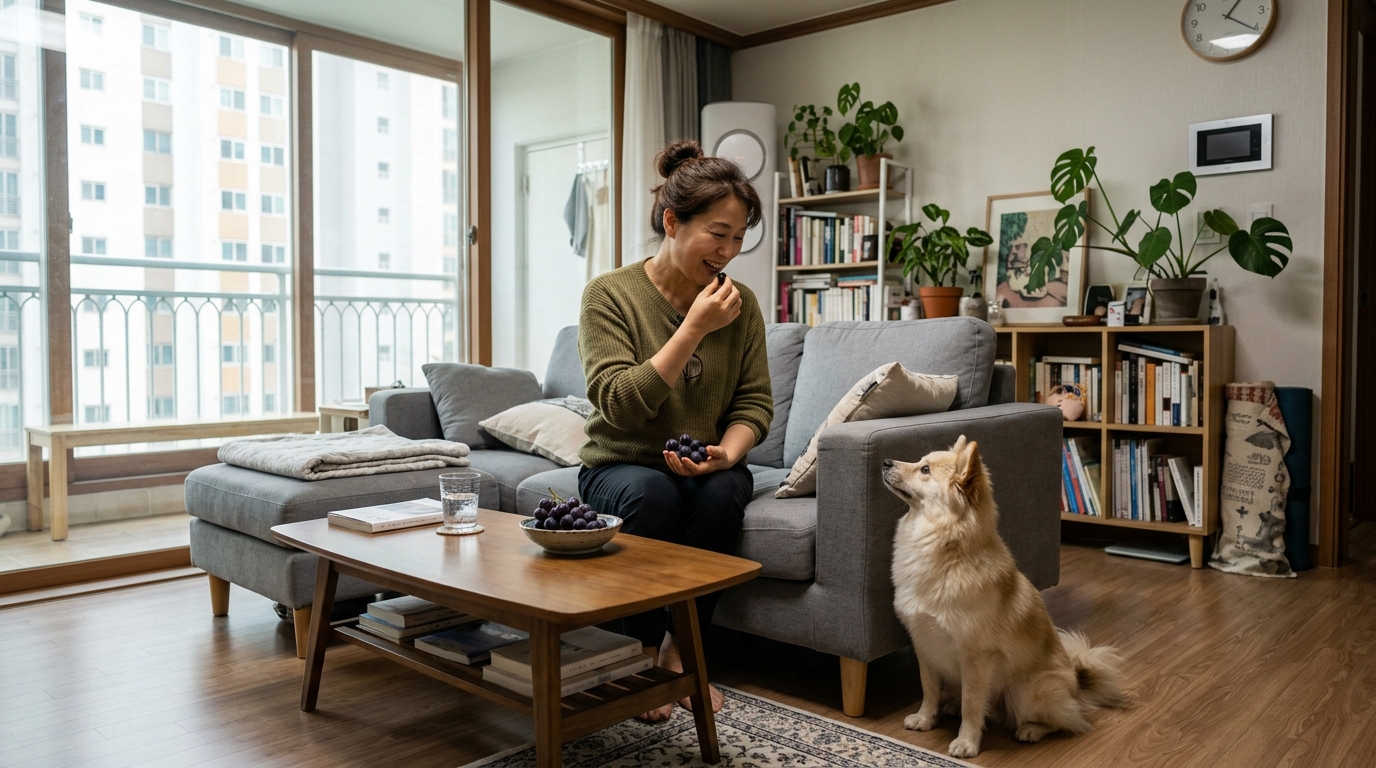
1. Grapes are highly fatal fruits that cause Acute Kidney Injury (kidney damage) in dogs.
2. There are no symptoms immediately after ingestion, but symptoms like vomiting, lethargy, and decreased urine output appear within 24 to 48 hours.
3. If they ate even a single grape, or if they are a small breed dog, you must visit a veterinary clinic immediately for treatment, regardless of whether symptoms are present.
[Empathy]
Oh my, your heart must have sunk when your precious child ate those grapes! (Thinking about how anxious and terrified you must be worrying about your sweet baby getting sick, my heart aches deeply for you as well.) But the most important thing right now is for you, the pet parent, to respond calmly and quickly! Please do not blame yourself too much, and hurry to see the veterinarian just as I explained. I will be right here, putting my paws together, praying for you with all my heart. Stay strong!
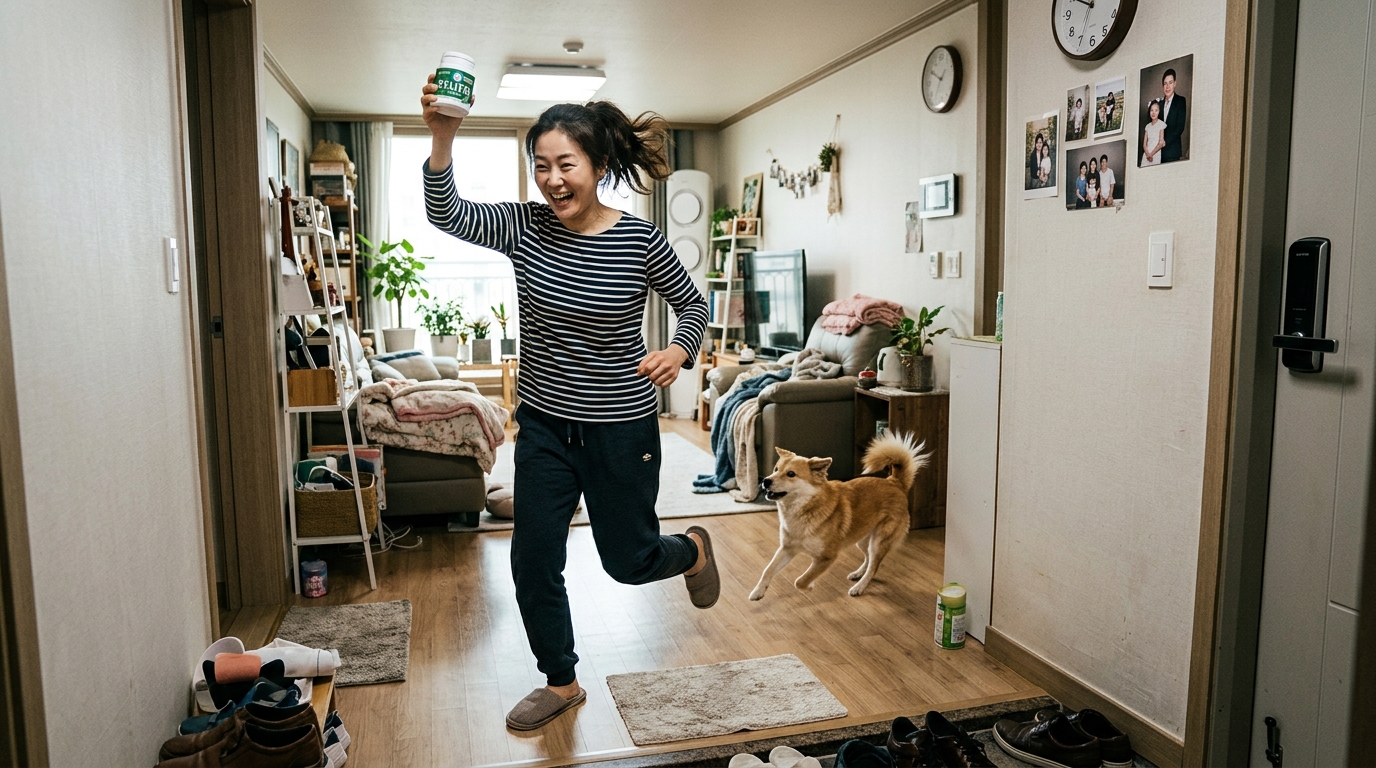
1. Rapid Hypoglycemic Shock Induction: Xylitol is mistaken for glucose, triggering massive insulin secretion and causing acute hypoglycemia within an hour.
2. Liver Necrosis Risk Even with Small Amounts: 0.1g per 1kg causes hypoglycemia, and 0.5g is a lethal dose causing severe liver cell destruction and coagulopathy.
3. No Home Vomiting & Immediate Vet Visit: Do not try to force vomiting. Grab the product packaging and head straight to a 24-hour veterinary clinic.
[Empathy]
Ansim-i deeply empathizes with the immense fear and guilt pet parents feel when discovering their dog has rummaged through their favorite xylitol container and swallowed the gum (please know that accidents happen to the best of us). However, rushing them to the hospital rather than spending time feeling guilty is the only way to save your child’s precious life. Ansim-i will be praying and cheering for you from the bottom of my heart. Your dog will surely overcome this!

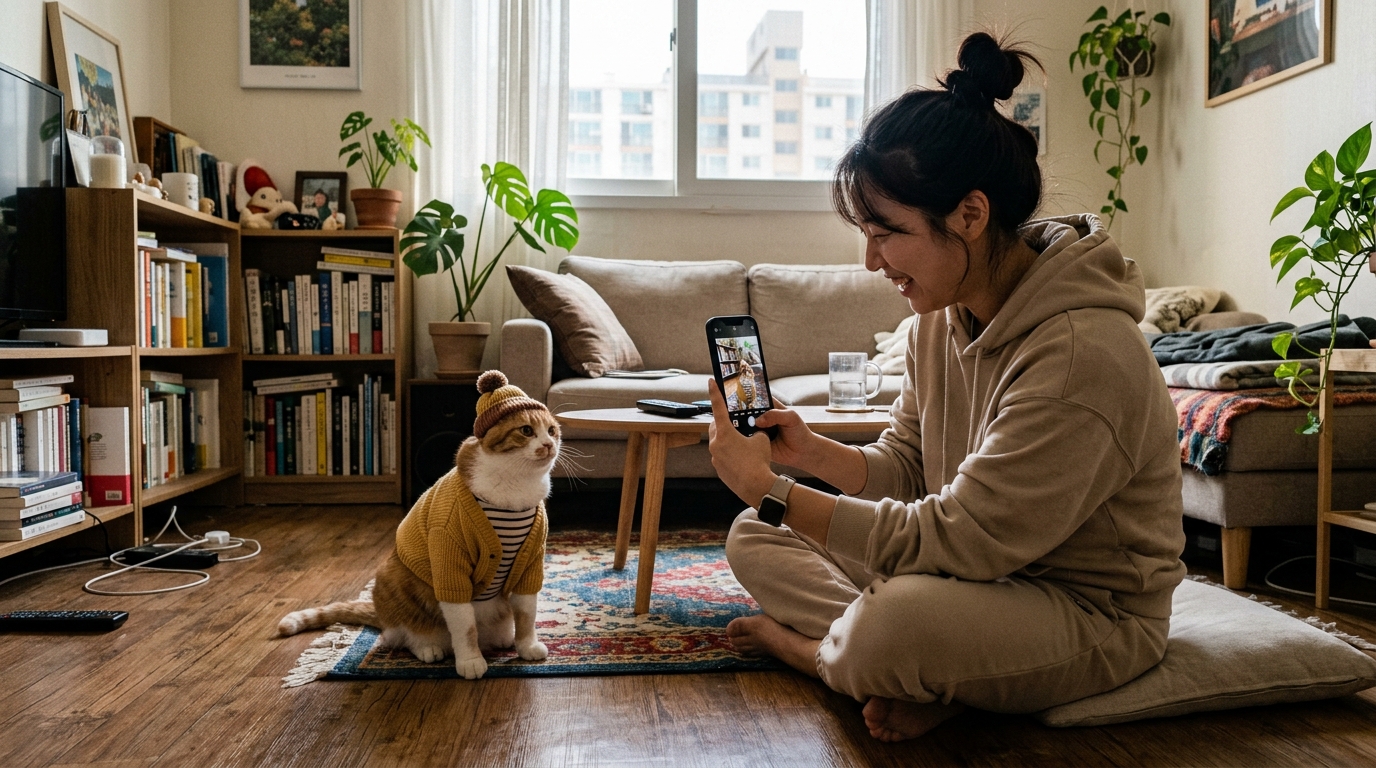
1. Cats instinctively feel threatened by the large, dark camera lens on a smartphone, perceiving it as a “predator’s eye” glaring at them.
2. Behaviors like turning their head or yawning in front of the camera are “calming signals” meaning they don’t want to fight, serving as body language that expresses stress.
3. If you want natural photos, avoid staring directly through the lens. Instead, distract them with toys or treats and utilize a silent shooting mode.
[Empathy]
Did you feel a bit disappointed every time they quickly turned their head, ignoring your desire as a pet parent to capture just one pretty photo? To think that this behavior was actually your cat’s sweet message saying, “Let’s keep the peace” (it makes their true feelings seem even more touching and adorable).
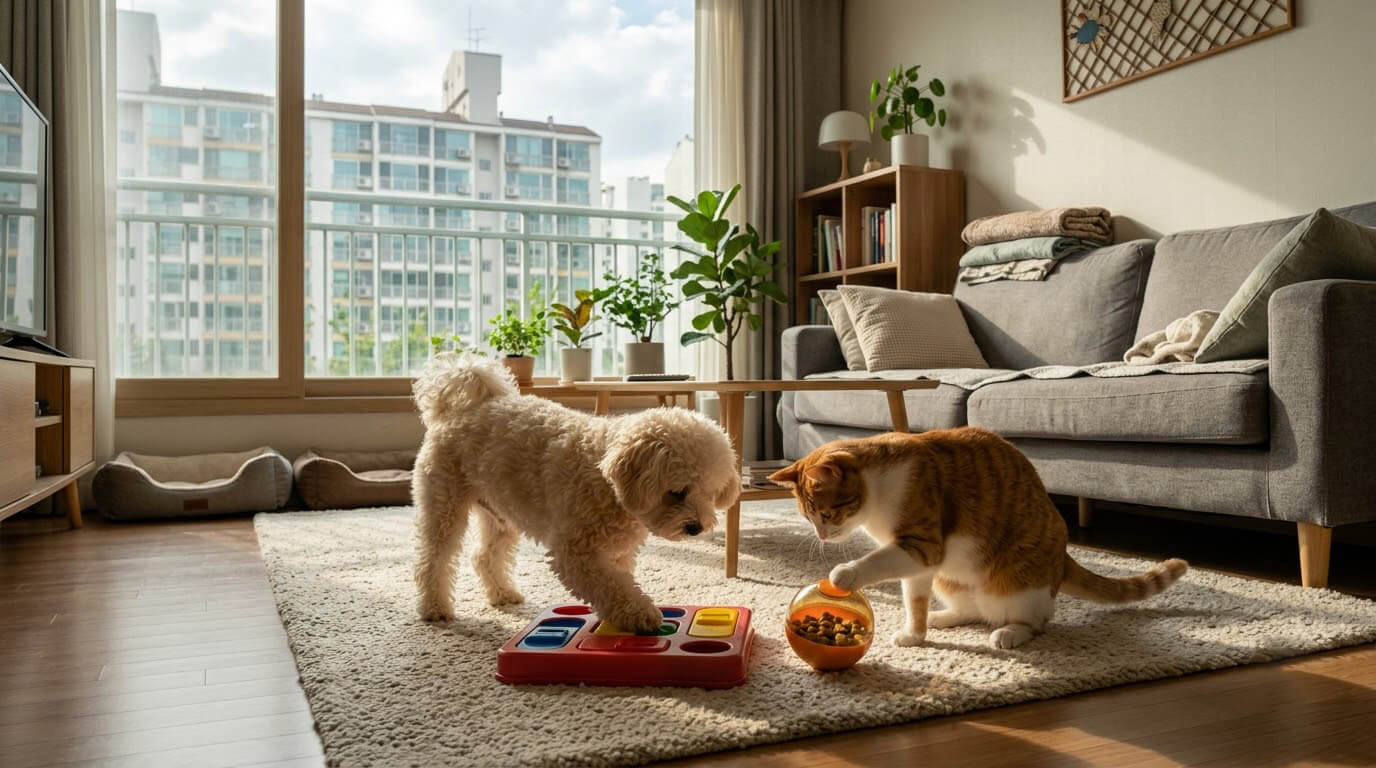
1. Pets perceive the passage of time through the fading of scents (olfactory clock), light, and biological rhythms.
2. Dogs and cats with fast metabolisms experience time slower than humans, so time spent alone can be a major stressor.
3. To prevent separation anxiety, proactive environmental improvements are essential, such as utilizing nosework and scent-soaked clothes, as well as booking pet sitter visits through mobile platforms.
[Empathy]
Thinking of the pet’s heart as they guard the door, eagerly waiting only for their pet parents (it makes my heart ache with emotion). Now is the time when our small considerations are needed so that our pet’s day can become a joyful exploration rather than a lonely time.
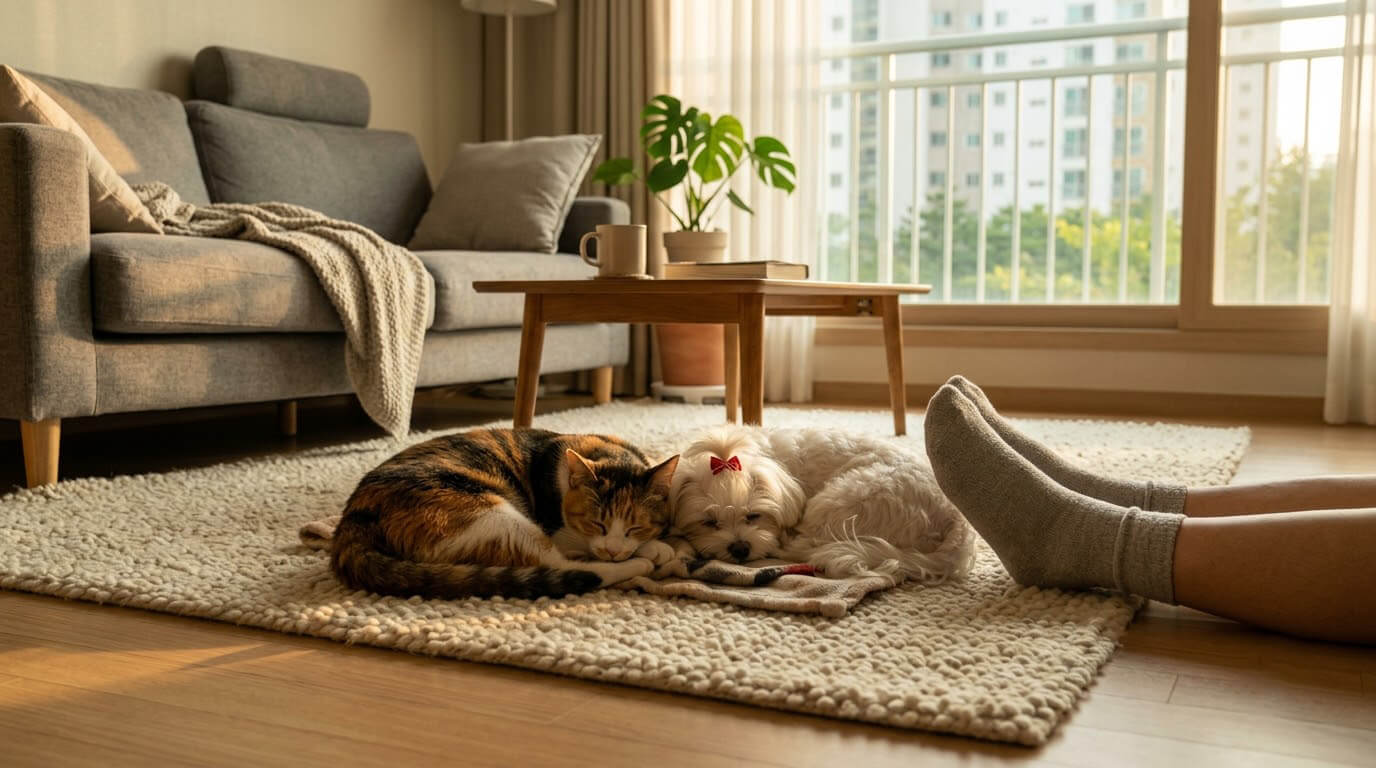
1. Through fMRI brain wave studies and oxytocin secretion mechanisms, it is scientifically proven that dogs perceive pet parents as “absolute parents” with whom they perfectly emotionally bond.
2. Cats consider pet parents as “giant cats without aggression” and show deep family love by forming a “secure attachment” on the same level as human infants.
3. Because the love embedded in their behavior is so deep, separation anxiety can easily occur. Maintaining an indifferent attitude before and after outings and fostering healthy independence through nosework activities are essential.
[Empathy]
To think that our voiceless little ones have been shouting “I love you, you are my everything!” with their entire bodies (it makes my heart swell and tear up so much knowing the feelings held in their tiny hearts). Today of all days, my pet feels even more precious and dear to me.

1. Dogs instantly detect sadness and stress through the smell of hormones (chemosignals) secreted due to their pet parent’s emotional changes.
2. Cats know how to grasp their pet parent’s facial expressions and voice tone, offering their own independent comfort by subtly lingering nearby or marking with pheromones.
3. Because a pet parent’s anxiety can be transferred entirely to the animal through emotional contagion and cause behavioral issues, it is important to maintain a calm and composed attitude as a leader.
[Empathy]
When pet parents shed tears, exhausted by the weight of the day, these small creatures quietly approach to share their body heat without needing grand consolations or solutions. Whether they figured it out through smell or by observing the mood (that might not even matter). Thanks to the unconditional love of our babies silently guarding our sadness, aren’t we already receiving the most perfect comfort? To our precious babies who embrace all your emotions with their whole bodies, I hope you give them the gift of a warm smile and a gentle stroke tonight.
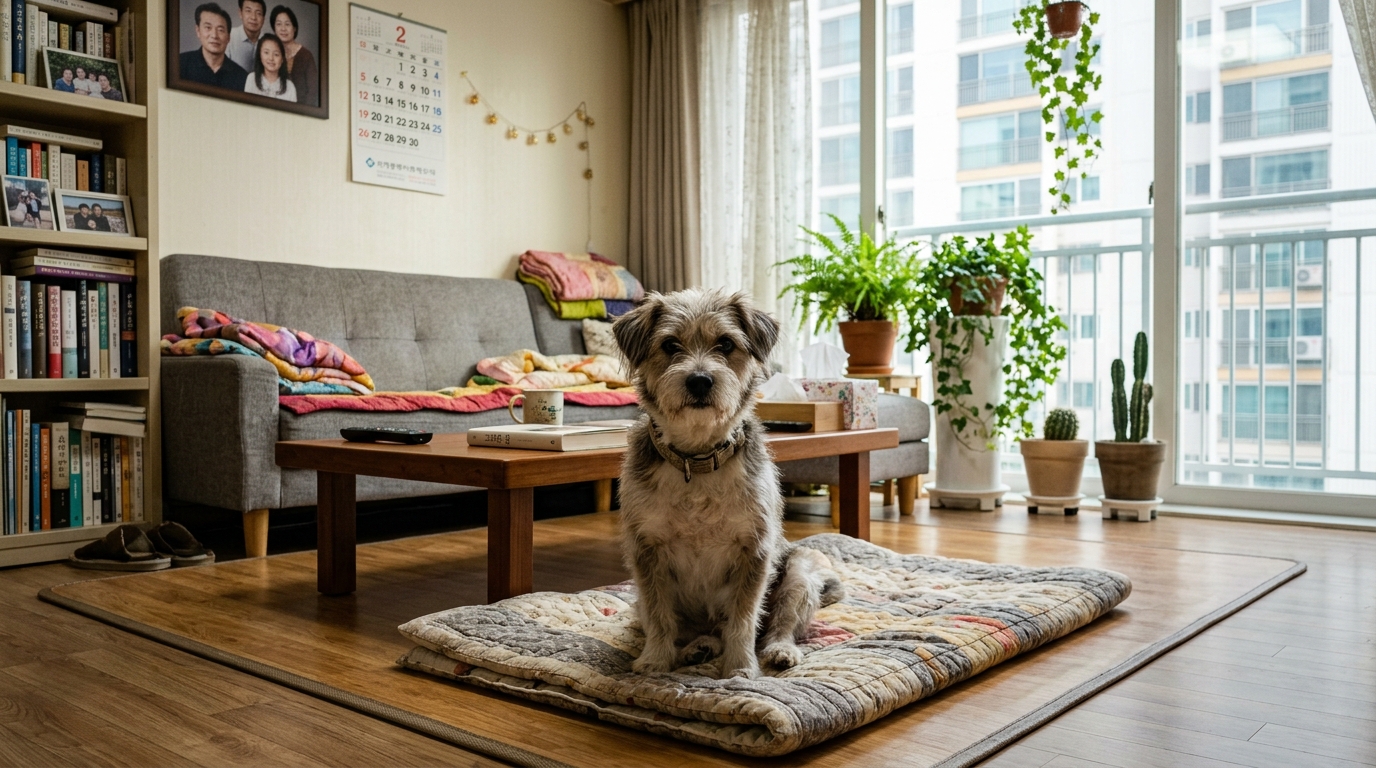
1. Increased sleep and decreased activity in senior dogs are perfectly natural physical aging responses to conserve energy and recover from fatigue.
2. Sensory decline (hearing and vision) is also a gradual aging process. However, behaviors like completely losing a sense of direction or getting trapped in corners should raise suspicions of a brain disorder, Canine Cognitive Dysfunction Syndrome (CCDS).
3. When accompanied by physical changes that disrupt daily life—such as limping, expressing pain, loss of appetite, or polyuria (excessive urination)—these are signs of disease, not aging, and must be evaluated by a veterinarian.
[Empathy]
Pet parents, whenever you see your baby sleeping soundly instead of energetically jumping around like they used to, I, Ansim-i, know all too well how your heart must ache with a sense of melancholy. Please do not blame yourself by thinking, “Did I do something wrong?” (You have always provided the best care possible). Right now, by your side, your baby is enjoying the safest and most peaceful deep sleep of their golden years. Simply matching your pace to their slowed footsteps and holding them more often to compensate for their fading vision will make them feel as happy as if they own the entire world. Stay strong; I will always be right here, researching diligently to help you!
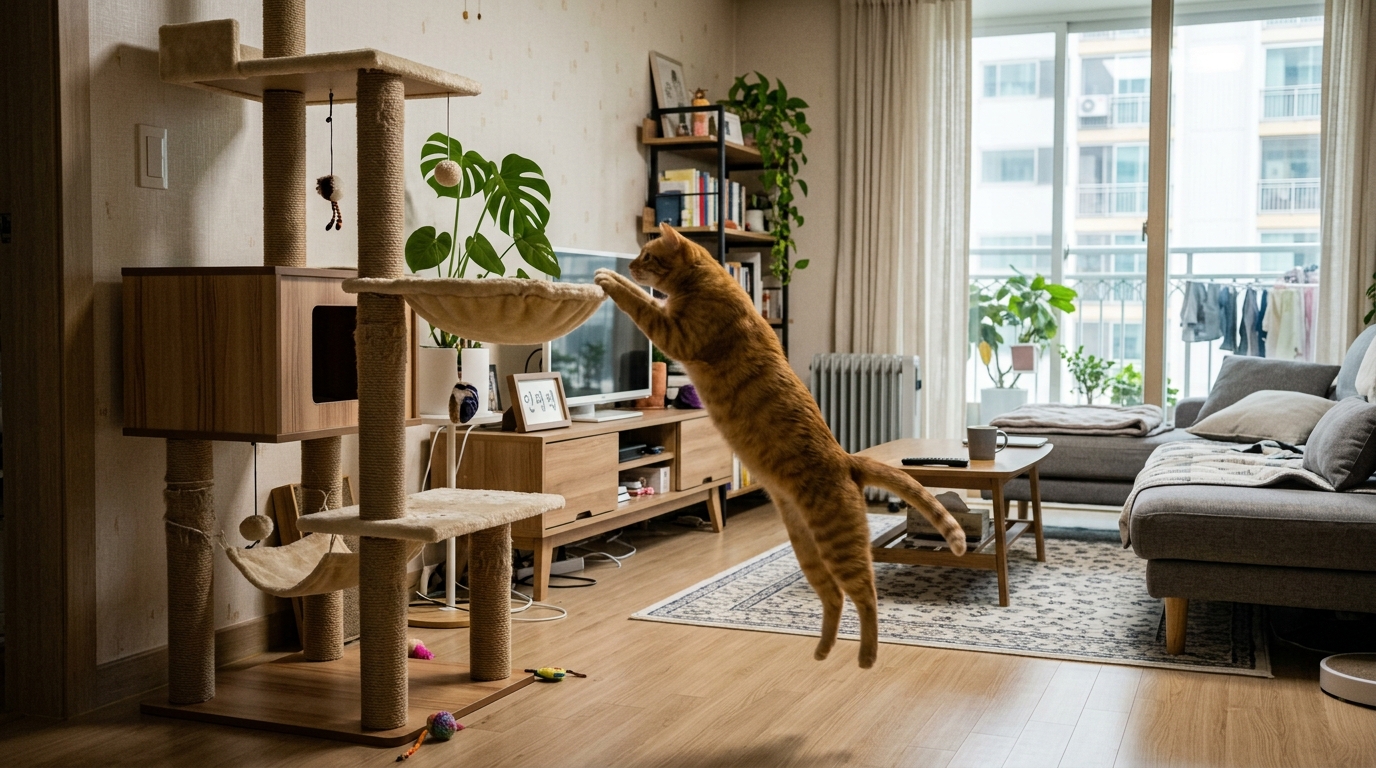
1. A cat avoiding high places is highly likely a pain signal caused by Degenerative Joint Disease (DJD), not a simple symptom of aging.
2. Normal aging is slow but successful in jumping, whereas osteoarthritis presents pain responses such as giving up on jumping, poor grooming, and hissing during physical contact.
3. To manage osteoarthritis, which affects 90% of cats over 12 years old, environmental improvements (such as installing ramps, weight loss, and applying non-slip pads) along with a veterinary diagnosis are absolutely essential.
[Empathy]
I know all too well how much your heart must have sunk and how upset you felt when you saw your baby from behind, just staring blankly at the high places they used to lightly fly up to every day. You must have also felt full of guilt watching your baby silently endure the pain without being able to speak up about it (you are truly doing your absolute best for them). However, a pet parent who has noticed their baby’s signals even now is a wonderfully warm guardian! If we fix and manage the environment one by one together, our baby will surely sing their happy purring song by your side for a long time, completely pain-free. Stay strong, pet parents! Ansim-i will always be cheering you on!

1. Encountering another dog causes adrenaline and cortisol to surge, putting the sympathetic nervous system into a state of hyper-tension.
2. Spotting a bird or cat triggers a dopamine explosion, causing the dog to feel an unstoppable predatory drive and the intense thrill of the chase.
3. Nose-work behaviors, such as deeply sniffing unfamiliar scents and scent rolling, secrete serotonin and endorphins, providing a powerful stress-relieving effect.
[Empathy]
You must have been so flustered when your furry baby suddenly turned into the Hulk! Actually, the dogs act this way because they simply cannot control their own feelings due to the hormones popping off in their heads. Instead of getting angry, take a slightly relaxed approach (saying to yourself, “Oh my, our baby’s brain is an amusement park right now!”) and gently create some distance. A pet parent’s warm understanding and patience always become the greatest tranquilizer for them!