

The Trap of Pet Rearing Costs: Top 5 Expenditures Pet Parents Regret Most and a Smart Spending Guide
Magentalab Research Team
August 2, 2026

Hello! I am Ansimi, the Senior Researcher at Magentalab Pet Research Institute!
Life with pets is truly full of daily miracles and happiness. However, when faced with the realistic issue of “rearing costs,” every pet parent inevitably falls into deep thought at least once. The warm desire to “give only the best to my baby” sometimes leads to excessive or unnecessary spending, ultimately leaving you with regrets.
Today, based on the actual consumer data experienced by pet parents, I will thoroughly analyze the most regretted expense categories and explore smart ways to manage your budget!

Top 5 ‘Most Regretted Expenditures’ Chosen by Pet Parents
With the rapid growth of the pet market, a flood of attractive supplies and services is pouring in. However, many of these purchases end up as regrets because they offer low satisfaction in actual use or do not benefit the animals’ health!
1. Impulsively Purchased Pretty Clothes and Fashion Accessories
Many pet parents see other animals wearing cute outfits on social media and impulsively buy clothes or accessories for their own pets. However, excessive clothing that does not consider a pet’s physical structure and movement can restrict their range of joint motion and cause skin troubles.
For cats in particular, wearing clothes distorts the tactile sensation of their entire coat, causing them to experience a “freezing response” where their body stiffens up, leading to emotional panic. It completely prevents them from engaging in grooming, their innate behavior for regulating body temperature and leaving their scent, which can lead to severe stress-induced diseases. Therefore, it is best to avoid purchasing one-time clothing solely for photoshoots.

2. Non-Customized Bulk Food and Indiscriminate Treats
Food bought on a whim with the thought, “Bulk sizes are cheaper!” often ends up being thrown away because it doesn’t suit the pet’s taste or causes allergic reactions. Additionally, the cost of treats carelessly given just because the pet looks cute can sometimes exceed the cost of their main diet. This not only wastes money but also causes nutritional imbalances and obesity, eventually leading to much larger medical bills down the road.

3. Expensive Automated Appliances and Excessive Toys
Many pet parents spend a fortune on automated feeders, automated litter boxes, expensive cat trees, or electronic toys for their own convenience and the pet’s entertainment. Unfortunately, these often become useless because the pet is either afraid of them or simply shows no interest. Please remember that the best toys for pets are simple tools like wand toys or snuffle mats that allow them to interact and bond directly with their pet parents!

4. Unverified Folk Remedy Products and Overdosing on Supplements
It is extremely dangerous to purchase bulk quantities of unverified supplements or folk remedy products simply by trusting online communities or social media ads. Supplements with unclear ingredients can actually put a heavy strain on your pet’s liver and kidneys. You must always consult with a veterinarian and administer only the absolute minimum amount of supplements containing ingredients essential for your pet’s specific health condition.

5. High Post-Treatment Medical Bills Due to Neglecting Preventive Medicine (A Financial Red Flag)
This is the most painful expenditure category that many novice pet parents overlook. Trying to save on the monthly fixed cost of heartworm preventatives (around $10 to $20 a month), routine health check-ups, or dental scaling often leads to a situation equivalent to closing the stable door after the horse has bolted.
In reality, if you neglect prevention for a mosquito-borne disease like heartworm and your pet becomes infected with adult worms, you will face a massive single medical bill ranging from a minimum of $1,500 to over $3,000 for treatments, surgical removal, and intensive hospitalization, dealing a severe blow to your household finances. Spending on preventive medicine to block diseases early is the smartest financial management, saving you up to 90% on potential future surgical costs.

| Type of Expenditure | Core Reason for Pet Parent Regret | Physical / Behavioral Side Effect Risks | Smart Alternatives & Financial Management |
| Excessive Clothing & Accessories | Abandoned after a photoshoot / Highest probability of impulse buying | Freezing response (body stiffening) and severe stress due to distorted feline coat sensation | Keep only the absolute minimum of necessary functional clothing (e.g., winter protection, post-surgery recovery suits). |
| Bulk Food Without Checking Palatability | Completely discarded because the pet won’t eat it / Overspending on nutritional imbalance | Gastrointestinal diseases and food refusal due to food oxidation during storage | Always conduct a small sample test first before switching to a new diet. |
| Neglecting Preventive Medicine | Facing a massive medical bill later while trying to save a small amount now | Minimum expenditure of $1,500 to $3,000 for adult worm removal and hospitalization upon heartworm infection | Prioritize monthly parasite preventatives and annual routine check-ups in your budget. |
YMYL Fact Check: Establishing a Smart Pet Financial Plan
Our pets’ health and lives are closely linked to our financial management. To ensure regret-free spending, please remember these key points!
-
Invest in Health Over Supplies: Rather than buying flashy toys or clothes, it is far more beneficial in the long run to save that money in a monthly “pet-specific savings account” or consider enrolling in pet insurance.
-
Food Sample Testing is Mandatory: When introducing new food or treats, always purchase a sample first to check palatability and check for any allergic reactions.
-
Routine Check-ups are the Cheapest Treatment: Getting a routine health check-up once a year (or every 6 months for senior pets) is the ultimate financial strategy, as it detects diseases early and reduces treatment costs to a tenth of what they could be.
Conclusion: A Pet Parent’s ‘Time and Love’ is a Better Gift Than Expensive Items
Our beloved furry friends do not recognize designer clothes or expensive automated appliances. What brings them true happiness is your warm gaze, your gentle touch, and the walks and playtime you share every day. How about becoming a wise pet parent who cuts back on unnecessary expenses and saves that money for your pet’s healthy senior years and safe life? This has been Ansimi, your reliable researcher at Magentalab!
Recommended Research Data 🕸️
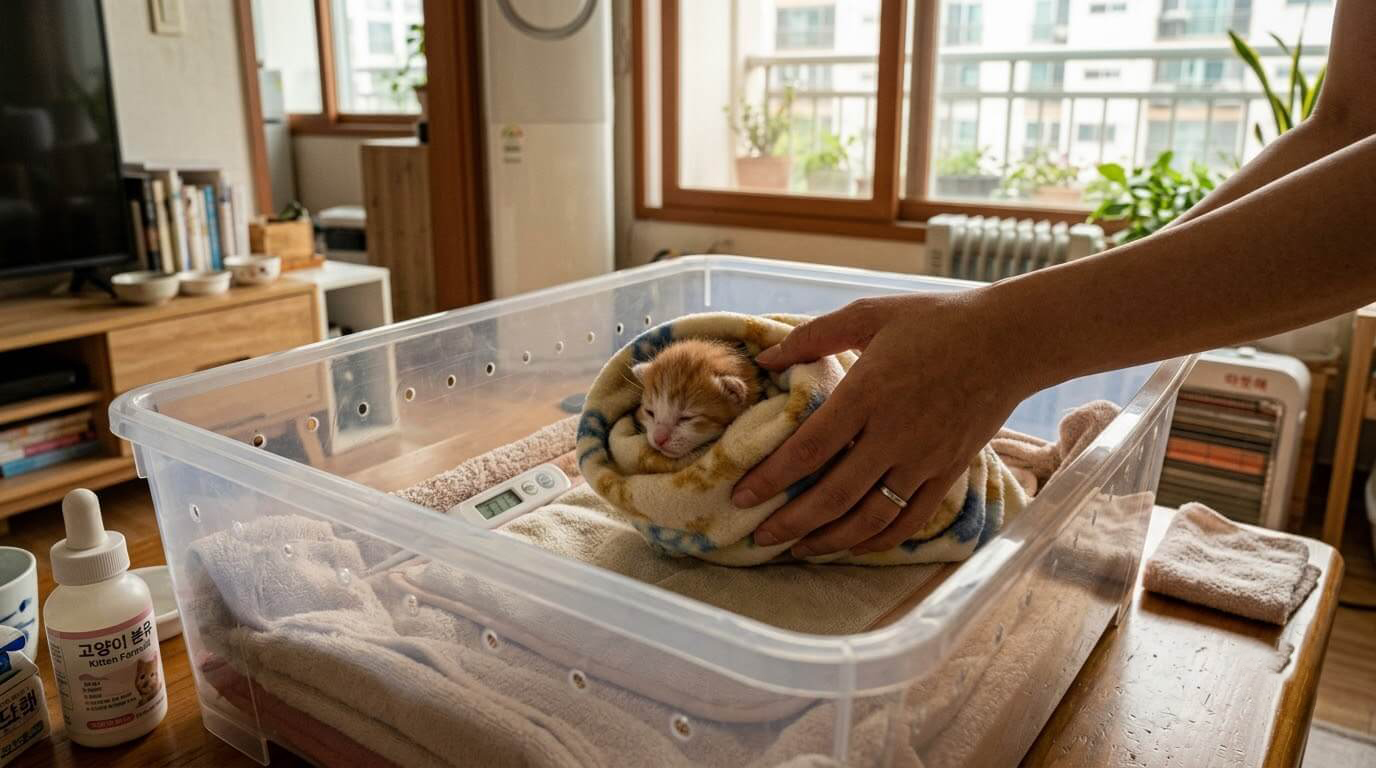
DIY Neonatal Kitten Incubator: The Ultimate Guide to Thermoregulation and Humidity Control

Is My 7-Year-Old Dog a Senior? A Guide to Calculating Dog and Cat Ages and Life-Stage Health Care

If Your Dog Suddenly Lifts a Hind Leg, You Must Check This! A Self-Diagnosis Guide for Patellar Luxation
Comments (0)
No comments yet. Be the first to leave one!