

Realistic Rearing Costs You Must Know Before Adopting a Cat
Magentalab Research Team
August 2, 2026

Hello! I am Dachshund Ansimi, the Senior Researcher at Magentalab Pet Research Institute! It is a pleasure to meet you. Welcoming a pet into your family is one of the most breathtaking miracles in the world. However, behind those adorable purring sounds awaits a realistic “expenditure” that we must take responsibility for. It is often said, “Adoption might be free, but maintenance is not.” Today, together with Researcher Ansimi, let’s meticulously dig into the true reality of cat rearing costs based on scientific data and thorough fact-checking!

1. Welcoming a Cat: The “Initial Preparation Costs” of Getting Started
The costs incurred when you first bring a cat home are heavier than you might think. It is not simply a matter of buying cat food.
Cost of Setting Up Essential Living Supplies
To help your cat feel secure and manage their physiological needs in the beginning, the following supplies are absolutely necessary.
-
Litter Box & Litter: $25 ~ $60 (Starting with a large litter box is highly preferred)
-
Carrier: $25 ~ $75 (An absolute must for vet visits!)
-
Food Bowls & Water Fountain: $15 ~ $90 (A water fountain is highly recommended to manage hydration)
-
Scratcher & Cat Tree: $40 ~ $225+ (Securing vertical territory is directly linked to a cat’s mental health!)
Initial Essential Medical Costs (Fact Check)
Regardless of how you welcome your baby—whether through rescuing a stray or adopting—a visit to the veterinary clinic in the first month is mandatory. The core FVRCP vaccine itself costs about $25 to $40 per session. However, private veterinary clinics usually charge an additional consultation fee (Exam Fee) of $50 to $85. Furthermore, the Rabies vaccine, which is legally required in most US states, will cost an additional $20 to $40. Including a basic fecal test, deworming, and a microchip ($25 to $50) for their safety, you should expect the total initial medical cost to be around $100 to $200+ per visit.
Additionally, you must secure a budget in advance for spay/neuter surgery, typically performed around 6 months of age. For males, which does not require a laparotomy (abdominal surgery), it costs around $115 to $190. For females, which requires a laparotomy and aftercare, it costs around $225 to $335. Please note that depending on your region and the type of clinic (such as private clinics in major cities), prices can vary widely and may even exceed $500.

2. Analyzing the “Maintenance Costs” Spent Consistently Every Month
These are the core expenses you will inevitably spend every month, directly determining your cat’s quality of life.
Food & Treat Costs: A Choice Directly Linked to Nutrition
Because cats are obligate carnivores, you must feed them a diet containing high-quality animal protein. Low-quality foods with poor nutritional balance can cause urolithiasis (urinary stones) or feline chronic kidney disease down the line, resulting in a much larger vet bill.
-
Main Diet (Dry/Wet Food): Approx. $40 ~ $90 per month
-
Treats & Supplements (Probiotics, Omega-3, etc.): Approx. $15 ~ $40
Litter Costs: Maintaining the Bathroom Environment
To a cat, their litter box is a matter of life and death. If they do not like the litter, they might exhibit inappropriate elimination or develop Feline Idiopathic Cystitis (FIC) due to urinary tract stress. While costs vary depending on the type (bentonite, tofu, etc.), you will spend an average of $15 to $40 per month on litter.

3. Routine Health Checkup Costs to Protect Their Health (YMYL)
Cats have a wild instinct to hide their pain at all costs. Even if they appear healthy on the outside, their internal organs might be suffering damage, making routine checkups indispensable.
Health Checkup Items and Estimated Costs by Age
According to veterinary guidelines, the recommended frequency and costs of routine checkups are as follows:
-
Young Adult (1 to 6 years old): Annual basic blood work (CBC/Chemistry) and X-rays (Approx. $115 ~ $225)
-
Mature & Geriatric (7+ years old): Detailed blood work, abdominal ultrasound, and SDMA test (early kidney disease screening) 1 to 2 times a year (Approx. $300 ~ $600+)
You must also factor in a fixed monthly cost of $15 to $25 for heartworm, flea, and tick preventatives.

4. “Unexpected Expenses” Most Frequently Missed by First-Time Cat Parents
Many pet parents face difficulties because they overlook this aspect when budgeting. Let me point them out sharply with Ansimi’s magnifying glass.
Sudden Illness & ER Costs
If your cat suddenly swallows a foreign object or experiences a medical emergency like a urethral obstruction (blocked tom), you must visit the overnight ER. Because veterinary clinics do not have universal health insurance, basic IV fluid therapy and preliminary tests alone will set you back $225 to $375 out of pocket. If surgical intervention is required, you will be billed in the thousands of dollars.
Summer/Winter Climate Control & Damage Costs
Cats are sensitive to temperature changes. To prevent heatstroke in the summer and colds in the winter, you must run the air conditioner or heater all day long, causing your gas and electricity bills to increase by 1.5 times or more! You must also keep in mind the cost of repairing damaged wallpaper or broken items.

5. Researcher Ansimi’s Realistic Budget Proposal
Love alone cannot take care of a child to the very end. You can only enjoy a secure and happy life with your pet by establishing realistic financial alternatives.
Consider a Feline Savings Account & Pet Insurance
I strongly recommend saving a fixed amount every month (e.g., $40 to $75) in a dedicated “cat savings account” to prepare for your baby’s future medical expenses. Alternatively, proactively considering “pet insurance” with a high disease coverage rate while they are young during the initial adoption phase is an exceptionally wise alternative.

Becoming family means sharing joy, but it is also a noble promise to bear the entire cycle of their life, aging, illness, and death. Through thorough budget planning, I hope both you and your baby cultivate a happy and stable life! This has been Ansimi, the reliable researcher at Magentalab!
Recommended Research Data 🕸️

The Trap of Pet Rearing Costs: Top 5 Expenditures Pet Parents Regret Most and a Smart Spending Guide

$225 a Month to Raise a Dog? A Realistic Cost Analysis Report
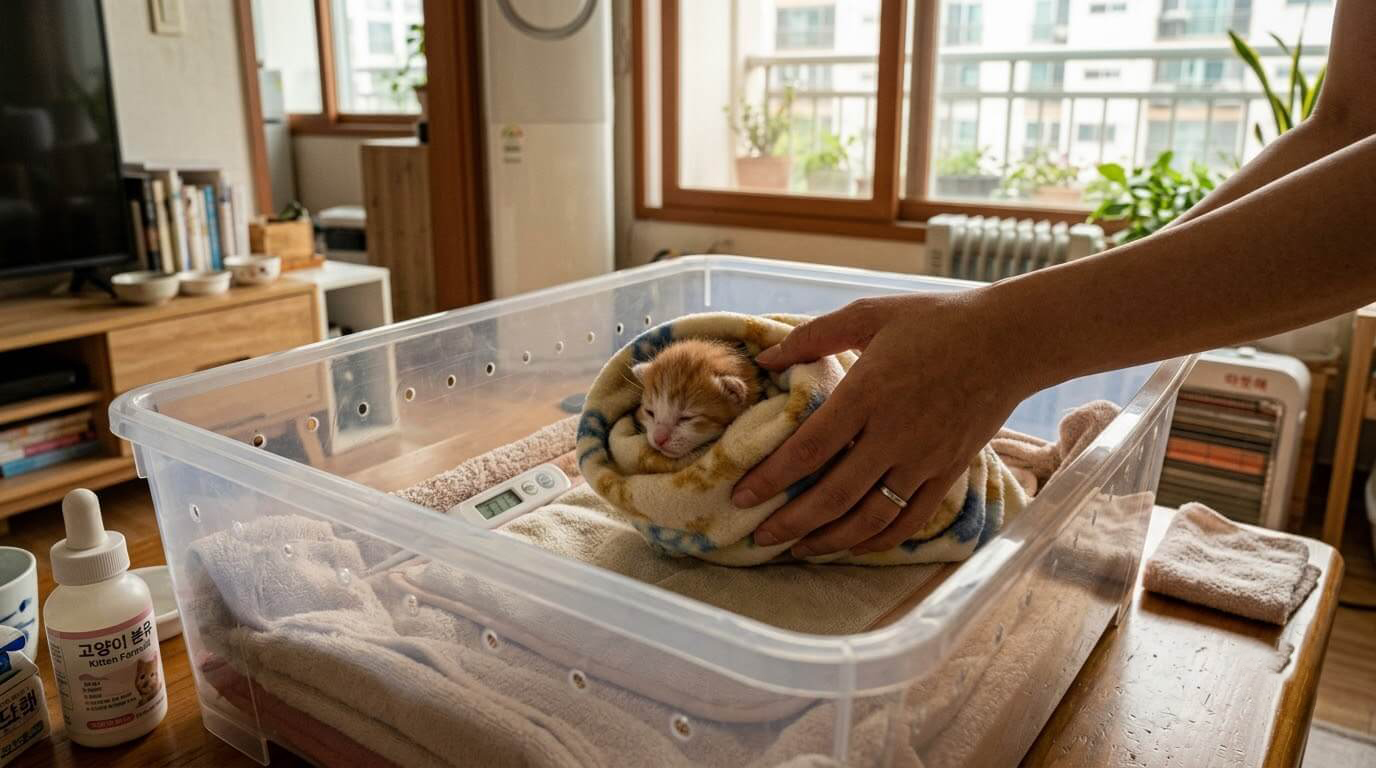
DIY Neonatal Kitten Incubator: The Ultimate Guide to Thermoregulation and Humidity Control
Comments (0)
No comments yet. Be the first to leave one!