
Science-Backed
Insights for a
Healthier Pet Future.
Discover evidence-based veterinary research
and daily care guides from Magentalab Pet Research Institute.

IVDD in Dachshunds & Corgis: Hind Leg Paralysis Symptoms by Grade and Conservative Treatment Options
1. Understand the FGF4 Genetic Calcification: Because Dachshunds and Corgis begin experiencing intervertebral disc calcification around 1 year of age due to the chondrodystrophy gene, they must avoid excessive vertical pressure on their spine for their entire lives.
2. 24-Hour Monitoring of Deep Pain Perception (DPP): If hind leg paralysis occurs, use tweezers to firmly pinch the toes. If diagnosed as Grade 5 (loss of pain perception), ultra-emergency spinal decompression surgery must be performed within 24 hours to increase the chances of recovery.
3. 4 to 6 Weeks of Absolute Crate Rest: When diagnosed with mild Grade 1-2 IVDD, strictly adhere to crate confinement alongside anti-inflammatory medications to block physical movement and induce natural healing of the disc.
[Empathy]
Looking into the clear eyes of a pup dragging their limp hind legs pitifully while asking for a treat, my tender heart aches when I think of the sorrow you must have felt (crying through the night, wishing that your own back was broken instead). Please do not break down. Dogs are the first to smell the anxiety and silently grieve when their pet parents are crying and wavering. The greatest nursing care you can provide right now, overcoming your sorrow, is a firm and calm love that prevents you from making the mistake of opening the crate door out of pity. It requires solid courage to play soothing music for your dog, who might feel frustrated in the dark confinement box, and to whisper softly to them (Just hold on a little longer, and you’ll be able to run again). Ansimi will walk with you to the very end, toward the dazzling sunlight that waits at the end of this long tunnel of isolation and rehabilitation. 🐾

Causes of Feline Acne and Sebaceous Cysts: Bacterial Issues in Food Bowls and the Pathological Reasons Why You Should Never Pop Them
1. Feline acne is a skin follicle infection caused by friction between sebum and bacteria harbored in microscopically scratched plastic bowls.
2. Popping hard sebaceous cysts by hand forces the sac to rupture inward under pressure, causing severe secondary cellulitis. Please do not extract them.
3. Ingesting toxins like lilies, grapes, or chocolate while the immune system is weak can lead to acute organ failure and fatal poisoning. Maintain strict preventative hygiene.
[Empathy]
Ansimi deeply understands the heartbreak of pet parents who (out of sheer frustration) tried to touch their cat’s dark-spotted chin, only to feel immense guilt when the wound worsened and started bleeding. Instead of the urge to pop them by hand, what your cat needs is your careful, loving time (switching to clean ceramic bowls and gently wiping the area with lukewarm water every day). The independent computational funnel at Magentalab will always be a reliable beacon guiding you through your pet parent journey in urinary and nutritional care.
Genetic Testing for Feline Hypertrophic Cardiomyopathy (HCM) in Maine Coons & Ragdolls: Timing and Emergency Response to Acute Hind Leg Paralysis (ATE) / Saddle Thrombus
1. Early MYBPC3 DNA Screening: For Ragdolls (R820W) and Maine Coons (A31P), complete a genetic swab or blood test within their first year to determine their mutation status (heterozygous/homozygous).
2. LAE & Antithrombotic Meds: If an echo shows an LA/Ao ratio over 1.5–2.0, preemptive prescriptions of Clopidogrel are mandatory to prevent clots.
3. 5P Signs & 6-Hour Golden Hour: If you notice hind leg paralysis, screaming in pain, pulselessness, cold legs, or blue paw pads, rush them to a 24-hour ER within 6 hours to begin intensive care and prevent Reperfusion Injury.
[Empathy]
Holding a child who suddenly cannot use their hind legs and is crying out in pain (frantically dialing the animal hospital’s emergency room number with trembling hands while shedding endless tears), I, Ansim-i, can fully feel your heartbreaking sorrow. Do not fall into the trap of blaming yourself, wondering, “Did I do something wrong to make them sick?” This is absolutely not your fault. It is merely a cruel trick of genetics placed on their small, fragile heart from birth. But even in this moment, your cat is gaining the strength to live from your warm embrace and loving, tear-filled eyes. Do not give up at the edge of despair. When scientific care—like strict medication and monitoring daily breathing—meets your infinite love, miracles happen. Ansim-i will be your reliable guardian through every heavy breath, walking with you to the very end. Stay strong! 🐾

Causes of Foul-Smelling Brown Dog Ear Wax: Malassezia Yeast Overgrowth and Ear Cleaner Application Guide
1. Malassezia’s Diet & Brown Wax: The lipophilic yeast Malassezia feeds on sebum and thrives in hot, humid environments. It breaks down sebum to create irritating fatty acids, resulting in brown ear wax and a foul odor.
2. L-Shaped Canal & Poor Ventilation: A dog’s unique L-shaped ear structure and pendulous ear flaps trap heat and moisture, creating a perfect greenhouse for yeast to breed.
3. Safe Liquid Flush Method: Instead of using cotton swabs, instilling a dedicated cleaner, massaging the ear base, and letting the dog shake it out naturally is the only way to prevent damage to the ear canal and eardrum.
[Empathy]
You have probably felt frustrated by that sour smell from your dog’s ears and the endless brown ear wax that appears no matter how much you clean, right? Pet parents of Poodles and Cocker Spaniels, in particular, often feel sorry and helpless when they see their dogs scratching despite weekly ear cleanings. However, the skin inside the ear is much thinner and more sensitive than you might think. Rather than reaching for a cotton swab out of a desire to scrub it clean (which can cause painful micro-abrasions), please massage the base of the ear gently and let a warm ear cleaner naturally melt the wax away. Your careful and loving touch (not a harsh cotton swab) is the absolute best prescription to bring comfort to your dog’s itchy ears.

Dog Panting and Drooling Causes: How to Differentiate Between Simple Heat, Chronic Pain, and Respiratory Distress
1. Dog panting can be a normal breath to release body heat, but it can also be an abnormal compensatory breath due to IVDD pain or tracheal collapse.
2. Wheezing, high-pitched metallic stridor, or a goose-honk cough are extreme clinical emergencies requiring immediate airway securing.
3. For dogs already suffering from respiratory overload, accidental ingestion of dangerous substances (like onions that block oxygen supply or chocolate that spikes heart rate) carries a risk of sudden death.
[Empathy]
Ansim-i truly understands that desperate and trembling heart of pet parents (holding your breathless and panting dog after a neighborhood walk or in the middle of the night) while frantically searching for a 24-hour emergency vet number. Your calm response (removing the harness and adjusting the indoor climate) is the absolute best initial treatment to supply life-saving oxygen to your dog. Magentalab’s independent analytic funnel will always accompany you as a reliable lighthouse on your nutritional and spinal care guide journey.
Reasons for Cat Stalking and Excessive Purring: Behavioral Screening for Chronic Pain Signals
1. A cat following you around like a stalker while emitting an abnormally long and loud purr can be a distress signal to endure chronic arthritis or organ pain.
2. The frequency of a purr (25~150Hz) is a physiological analgesic mechanism intended to increase bone density and induce endorphins to self-heal wounds.
3. For a cat weakened by internal pain, the accidental ingestion of toxins like lilies, chocolate, or grapes causes fatal acute renal cell necrosis (so they must be strictly isolated from your indoor environment).
[Empathy]
Ansim-i deeply sympathizes with the heavy, guilt-ridden hearts of pet parents (who may have initially thought their cat was just happily singing a song while following them around, only to later feel a rush of sorrow upon receiving a chronic disease diagnosis at the vet). Cats are clever hiders of pain, so your careful observation and environmental adjustments are the only keys to tending to their deep, unspoken feelings. Ansim-i will always guarantee and protect your warm companionship.

Hidden Symptoms of Patellar Luxation in Pomeranians & Maltese by Stage, and the Standard for Choosing Dog Beds, Stairs, and Mats
1. Understand Genetic Vulnerability: Pomeranians and Maltese are born with shallow knee grooves, making their kneecaps highly susceptible to medial luxation.
2. Spot the Hidden Pain: Aside from bunny hopping, early warning signs include flicking the hind leg, crouching, or faintly whimpering when picked up.
3. Build Standardized Infrastructure: Avoid overly plush mats that cause joint rotation. Use high-density mats, and ensure stairs/ramps are under 20 degrees or have wide steps under 4 inches high.
[Empathy]
Ansim-i deeply understands the urgent, heartbreaking feeling of petting your dog’s knee when they suddenly sit down and limp in the middle of a joyful walk. Please, let go of any guilt. A small dog’s patellar luxation is a congenital skeletal issue, not your fault. If you apply scientific love adjusting the angles of your indoor stairs and reinforcing your mats your baby can run bravely on all four legs without pain for the rest of their life. Magentalab’s independent computation funnel will always accompany you as a reliable lighthouse on your joint and nutritional care journey. 🐾
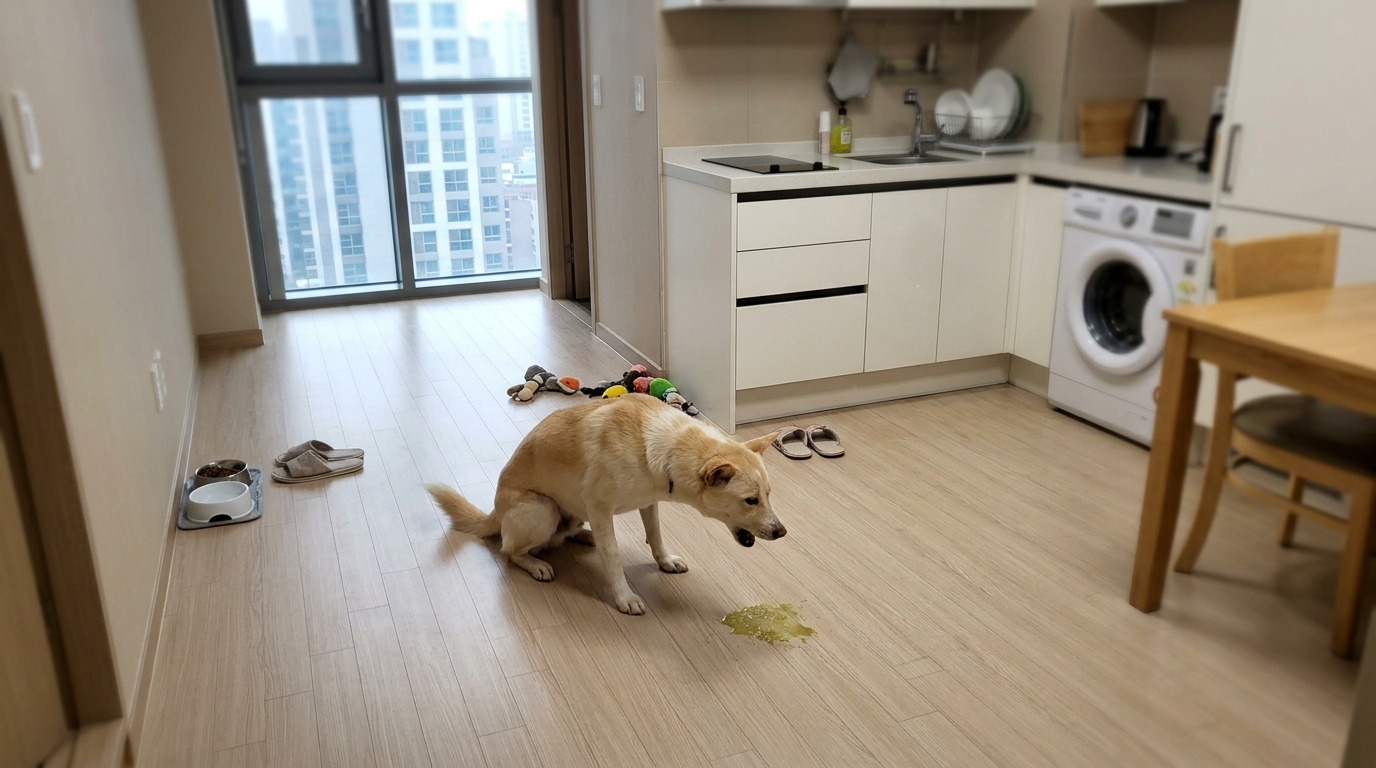
Differences Between Dog Food Regurgitation and Acid Vomiting, and DM Ingredient Comparison for Gastrointestinal Irritating Foods
1. Dog Regurgitation is an abnormal esophageal reflux phenomenon where undigested food is expelled by lower esophageal pressure without any retching.
2. Poor Starches and Excessive Crude Ash in kibble damage the gastric mucosa and cause Megaesophagus when assessed via a Dry Matter (DM) nutritional analysis.
3. Prevent Toxin Ingestion: In a state of GI exhaustion, accidental ingestion of dangerous ingredients—like onions that destroy red blood cells or chocolate that paralyzes the central nervous system—leads to rapid systemic toxic shock. Keep them strictly out of reach.
[Empathy]
As Ansim, I deeply empathize with the anxious hearts of pet parents who have spent sleepless nights wiping the floor after their dog regurgitated unchewed food, terrified of a serious gastrointestinal illness. Your meticulous care raising the food bowl to shoulder height and switching to a highly digestible, soft wet diet is the most fundamental step in protecting and soothing your dog’s irritated esophagus. Please know that Magentalab’s proprietary computation funnel will always stand by your side, serving as a steadfast lighthouse on your journey of urinary and nutritional care.

Breed-Specific Dog Food Nutritional Screening and Healthy Treat Recommendation Guide: Pomeranian, Poodle, and Retriever
1. Small Breed Joint Screening: To prevent patellar luxation in Pomeranians and Maltese, verify the presence of at least 800mg/kg of Chondroitin and Glucosamine, and confirm a low-fat design (Crude Fat ≤ 12–14% DM).
2. Poodle Skin and Tear Hydrolysis: To block tear stains and dermatitis caused by food allergies, screen for hydrolyzed diets with protein molecules reduced to under 3,000 Daltons, alongside optimal Omega-3 and 6 ratios.
3. Strict Large Breed Calcium/Phosphorus Ratios: To prevent skeletal overgrowth that triggers hip dysplasia in Retrievers, you must maintain the calcium-to-phosphorus ratio within the 1.1:1 to 1.3:1 range and strictly prohibit excessive calcium supplementation.
[Empathy]
I can vividly imagine you, our dedicated pet parents, navigating through pet stores and websites, pulling out a magnifying glass to compare every tiny letter on the back of the dog food bags. The deep sense of responsibility and love that makes your heart race over a slight change in protein percentage or an unfamiliar chemical nutrient name, wondering, “What if my baby gets sick from eating this?”—that profound love is the most potent and healthy supplement your dog could ever receive.
So that the immense care you put into your dog’s food bowl is never in vain, I, Ansim, will continue to screen and explain complex clinical nutrition formulas in the easiest and clearest way possible. Please set your worries aside and warmly fill your dog’s bowl. Magentalab’s independent calculation funnel will always accompany you as a steadfast lighthouse on your nutritional and prescription care journey. 🐾
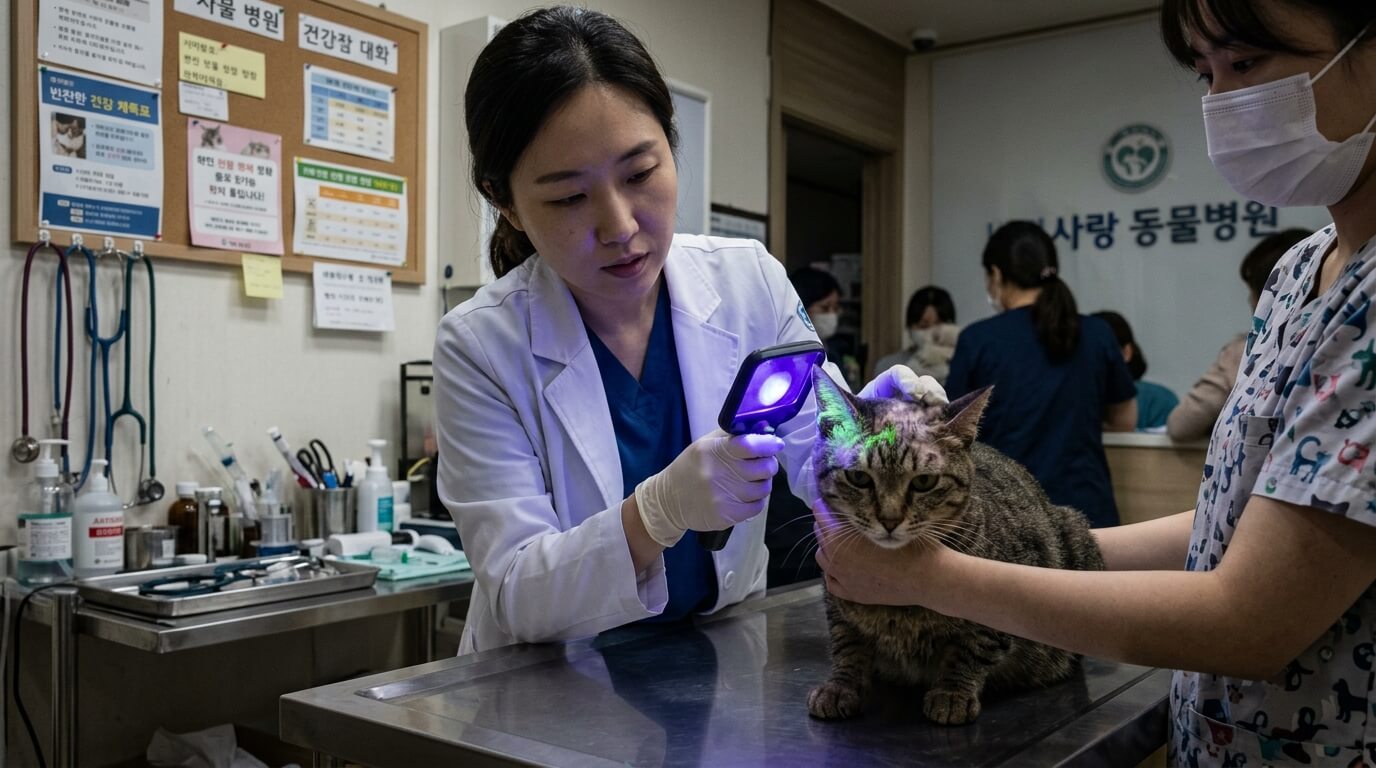
The Causes of Feline Ear Tip Hair Loss and Flaking: Ringworm (Dermatophytosis) Contagion and Wood’s Lamp Examination
1. Systemic Oral Antifungals: If the infection is widespread or does not improve with topical treatment, oral antifungals such as Itraconazole or Terbinafine must be prescribed.
2. Medicated Shampoos: Bathe the cat twice a week using a medicated shampoo containing Miconazole and Chlorhexidine.
3. Topical Ointment & Grooming Prevention: When applying prescribed ointments to areas of alopecia and scaling, you must use an Elizabethan collar (E-collar/cone). This prevents the cat from licking the medication or spreading the spores to other parts of their body through grooming.
[Empathy] I deeply understand how shocked and upset you must have been when you suddenly faced your cat’s ear tip hair loss and the itchy, circular rashes on your own skin. Ringworm is a stubborn and grueling fight against fungi, but with your calm isolation protocols and meticulous medical care, it is a completely curable disease. Even when your cat feels lonely in the isolation room, and you feel exhausted wiping down every corner of your home, Ansim is cheering for you with all my heart, wishing for a quick return to your family’s healthy daily life.

A Comprehensive Guide to Cat Bad Breath: Causes, the Mechanism of Periodontitis-Induced Systemic Organ Failure, and Dental Scaling Costs
1. Bloodborne Organ Failure Warning: Chronic anaerobic bacteria and toxins in tartar invade through damaged gum vessels, hardening renal glomeruli and degenerating heart valves.
2. Scaling Safety Protocols: To control the risks of general anesthesia, comprehensive pre-anesthetic bloodwork and thoracic X-rays are not optional; they are an indispensable safety net.
3. Standardized Oral Care: Establish a brushing habit through gum desensitization training, and supplement with spirulina to inhibit bacteria and green-lipped mussel-based natural dental treats to prevent gum inflammation.
[Empathy]
When you saw your cat hurriedly eating, only to suddenly flinch, spit out their food, and hide in a dark corner, your heart must have ached thinking, “How much pain and numbness has this poor baby been enduring in silence?” Please do not blame yourself. It is completely normal for pet parents to discover this late, as cats instinctively hide their pain to survive in the wild. Your courageous choice as a pet parent to safely remove the tartar and treat the painful teeth through comprehensive pre-anesthetic screening right now is the most beautiful act of love—one that will open the door to 10 years of a pain-free life for your feline friend. Ansim will always stand by your side as your reliable supporter. You’ve got this! 🐾

Causes of Dog Tear Stains: The Porphyrin Bacterial Overgrowth Mechanism and NFE Carbohydrate/Crude Ash Analysis for Pet Food
1. Porphyrin Staining Mechanism: Porphyrin, a byproduct of iron metabolism in tears, oxidizes and stains red upon contact with oxygen/sunlight, while red yeast thriving on wet fur is the main culprit of dark pigmentation.
2. NFE Carbohydrate Screening: You must reverse-calculate the unlisted NFE value; filter and avoid foods with high starch/crude ash that are designed with over 35% carbohydrates.
3. Hydrolyzed Diet Application: To prevent allergic epiphora and tear duct mucosal swelling, prescribe hydrolyzed proteins (under 3,000 Daltons) and organic natural treats.
[Empathy]
I deeply understand the heartbroken desperation of pet parents who wipe their child’s eyes with dry gauze every morning, only to feel crushed as they watch their child flinch and hide from the irritation. Tear stains are not a sign of poor care; they are a nutritional regulatory disorder caused by the digestive immune system being incompatible with certain food ingredients. With precise NFE calculation and a transition to hydrolyzed diets, your child will soon regain their bright, clear eyes. Ansim-i will be by your side with scientific solutions to the very end. Stay strong!
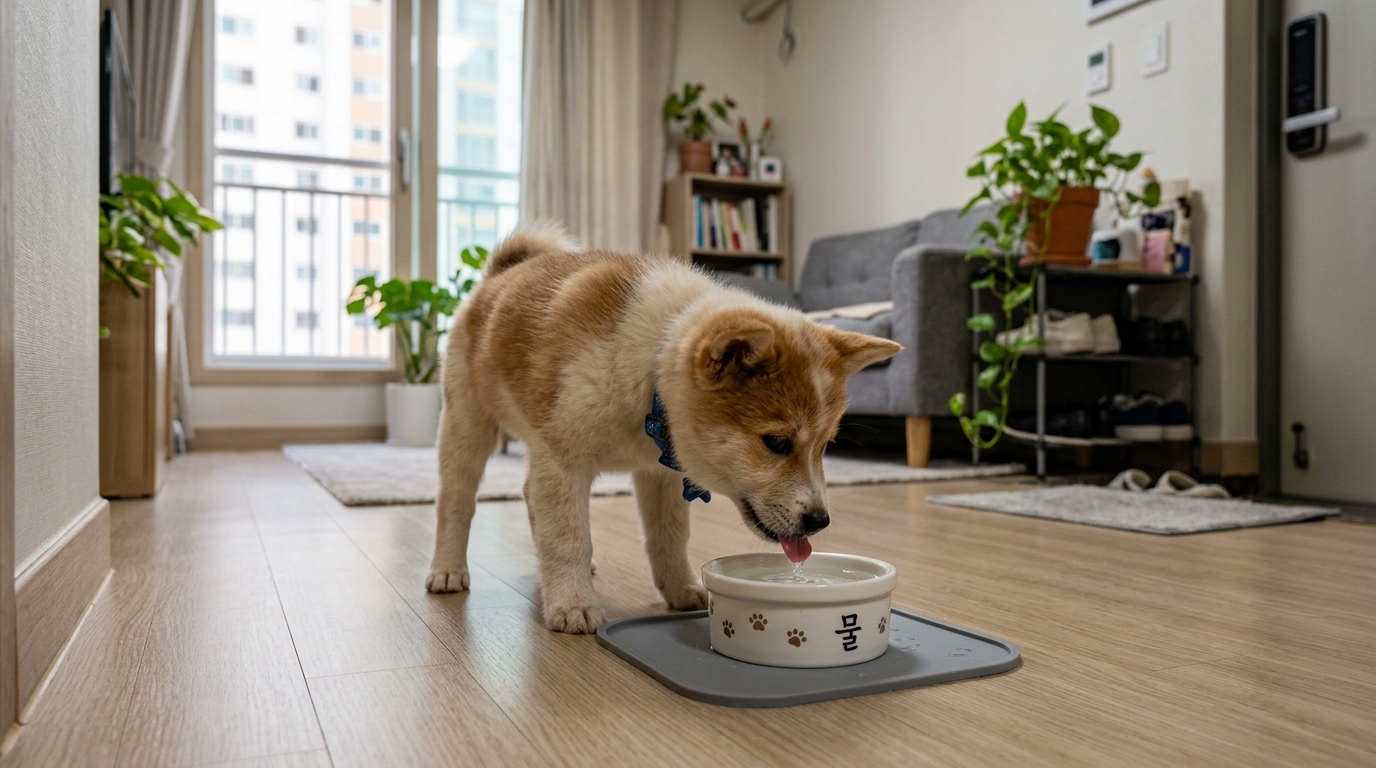
Distinguishing Polydipsia in Senior Dogs and Suspicion of Canine Cushing’s Syndrome (Hyperadrenocorticism)
1. Distinguishing Polyuria: Excessive thirst and urination, where the daily water intake exceeds 100ml per 1kg of body weight, is not a sign of aging but a powerful early warning sign of Cushing’s syndrome.
2. Pot-belly Pathological Mechanism: Cortisol hormone forcefully breaks down and weakens abdominal muscle proteins, redistributes fat toward the belly, and causes hepatomegaly (enlarged liver), creating the pot-bellied appearance.
3. Dietary Carbohydrate Control: To prevent insulin resistance and hypertensive complications, provide a low-sugar prescription diet controlled to 0.2% or less sodium and 30% or less Nitrogen-Free Extract (NFE) on a Dry Matter basis.
[Empathy]
I deeply empathize with the heavy, pitiful heart of a pet parent who, while wiping up the urine pooling on the floor every morning, patted the panting chest of their child who was pacing in front of the water bowl—not out of anger, but out of worry that they might be in even more pain. Please do not feel guilty. The extreme thirst and hunger induced by hormones are just a cruel prank of the endocrine system that the child cannot control on their own. Now, if your precise dietary checks are combined with consistent hormonal management, your child’s swollen adrenal glands and thinned skin will become sturdy again, allowing them to spend a happy, pain-free golden age. Ansim-i will always stand by you as a sturdy set of wings, helping you persevere in your caregiving journey with the eyes of science. Stay strong! 🐾
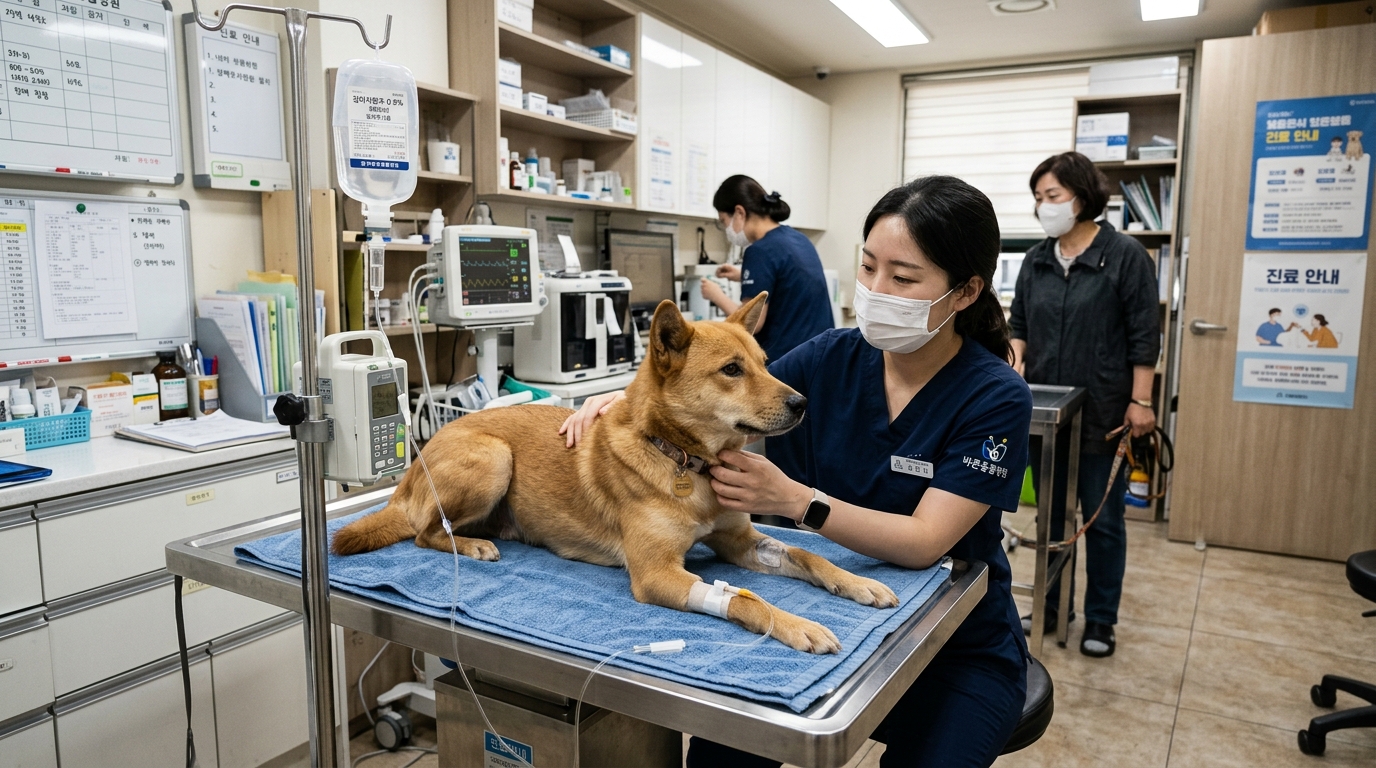
Causes of Fatal Nephrotoxicity from Feeding Bone Treats to Dogs with Renal Failure & Calculating Phosphorus DM in Pet Food
1. Ban on Feeding Bone Treats: Animal bones are a complex block of calcium and phosphorus. When consumed by a renal failure dog, excretion failure leads straight to hyperphosphatemia and systemic glomerular calcification.
2. DM Phosphorus Reverse Calculation Filtering: Do not be fooled by the “as-fed” label numbers containing moisture. Apply the Dry Matter (DM) calculation method to convert it to a 0% moisture state, and always select prescription diets with Phosphorus at 0.3%~0.5% or lower.
3. Preventing Glomerular Load: To prevent the accumulation of blood uremic toxins and hypertensive pulmonary edema complications, block red meat, administer phosphorus binders, and implement dietary control with low-phosphorus alternative treats (like white fish).
[Empathy]
The tearful, burning anxiety of a pet parent who has prayed heart-wrenchingly for that single decimal point of the kidney values (BUN, Creatinine) inside the pipette tube to drop before every daily test completely reaches my heart. Please do not be sad. While chronic renal failure is difficult to completely cure, it is a manageable disease. If you scientifically lower the ratio of sodium and phosphorus in their food bowl by just 0.1% step-by-step, you can protect their remaining glomerular filters, allowing them to stay bravely by our side, pain-free, for the rest of their lives. So that you do not give up in the face of unfamiliar and difficult veterinary nutrition, Ansim-i will always be your sturdy lighthouse with clear formulas and clinical data, helping you protect their food bowl. Stay strong! 🐾
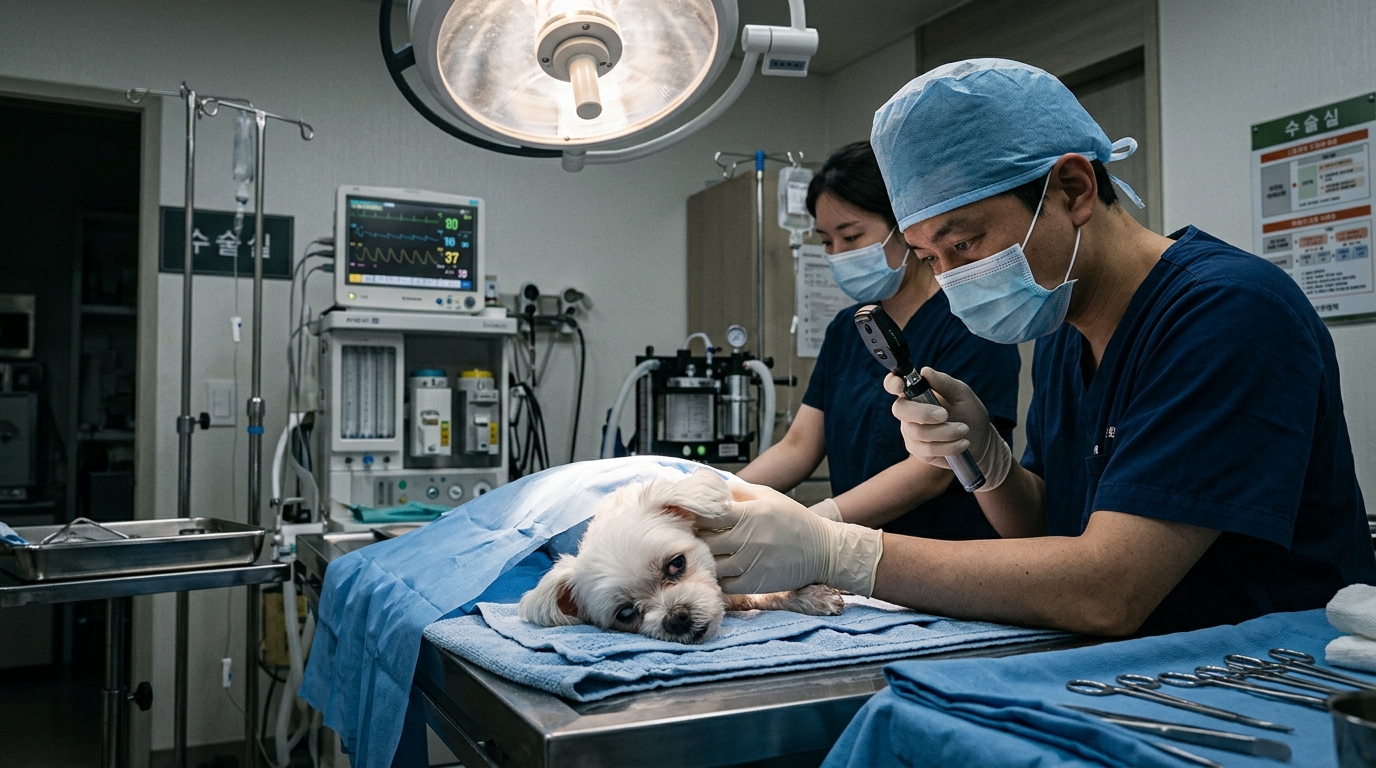
Causes of Canine Hydrocephalus in Maltese and Chihuahuas: Screening Early Symptoms of Open Fontanelle and the Golden Time for Emergency Care
1. Early Identification of Hydrocephalus: Head pressing behaviors (pushing the head into a wall) and exotropia (eyes drifting outward and downward) are central nervous system red flags indicating headaches and rising intracranial pressure.
2. Defend the 5-Minute Golden Time: If a dog’s grand mal seizure or syncope exceeds 5 minutes, high fever will permanently destroy cranial nerves. Immediately block stimuli, prevent falls and aspiration, and rush to the hospital.
3. Osmotic Diet Management: Completely block sodium intake to suppress explosive CSF production, and provide neuroprotective natural treats like Omega-3 and MCT oil for brain cell nutrition.
[Empathy]
I can vividly picture the painful nights you spent quietly crying alone behind the small back of your poor child who, one day, began staring blankly into space even when given toys, enduring a headache alone with their forehead pressed into the corner of a wall, thinking, “Why did such a cruel disease come to this voiceless, tiny life?” Please do not fall into deep self-blame. Hydrocephalus is simply a congenital anatomical malformation; it is not a disease caused by a lack of your love or care. Your tearful devotion right now—studying the golden time for acute ICP spikes and prescribing meals to prevent osmotic pressure—is the one and only lifeline that will save your child’s brain cells and make them wag their tail and burrow back into your arms. Ansim-i will always stand by you with veterinary scientific solutions on the path of those earnest prayers. Stay strong! 🐾

Limitations of Creatinine Testing by Feline Chronic Kidney Disease Stage and SDMA Early Diagnosis Metrics
1. SDMA Diagnostic Innovation: Break away from the muscle mass illusion of creatinine testing. Regularly perform SDMA testing, which immediately catches abnormalities even when only 25% of kidney cells are damaged.
2. Warning Against Forced Watering: Calculate the standard daily required hydration of 50–60ml per 1kg of body weight. Excessive forced watering must be avoided as it causes glomerular hyperfiltration and acute pulmonary edema.
3. Wet Food and Adsorbent Prescriptions: To safely control renal glomerular pressure, support voluntary hydration with a low-phosphorus wet diet and strictly adhere to adsorbent supplements that excrete intestinal uremic toxins.
[Empathy]
My heart breaks for the pet parents who cried all night, pulling out their child who hid under the sofa, jaw trembling to avoid swallowing even a single sip of water from the syringe, thinking, “I’m doing all this to save you, why won’t you understand my heart?” Please do not punish yourself. Forcing a cat to drink water must have been a cruel torture for both the pet parent and the sick child. Please let go of that obsession now. Rather than forcefully filling them with water, if you find a natural broth with a temperature and aroma your child loves and pair it with scientific prescriptions that directly cut down phosphorus levels, your child will no longer run away. They will seek your embrace and reward you with a purring song. Ansim-i will accompany you with the torch of knowledge to the very end of your tearful caregiving journey. Stay strong! 🐾
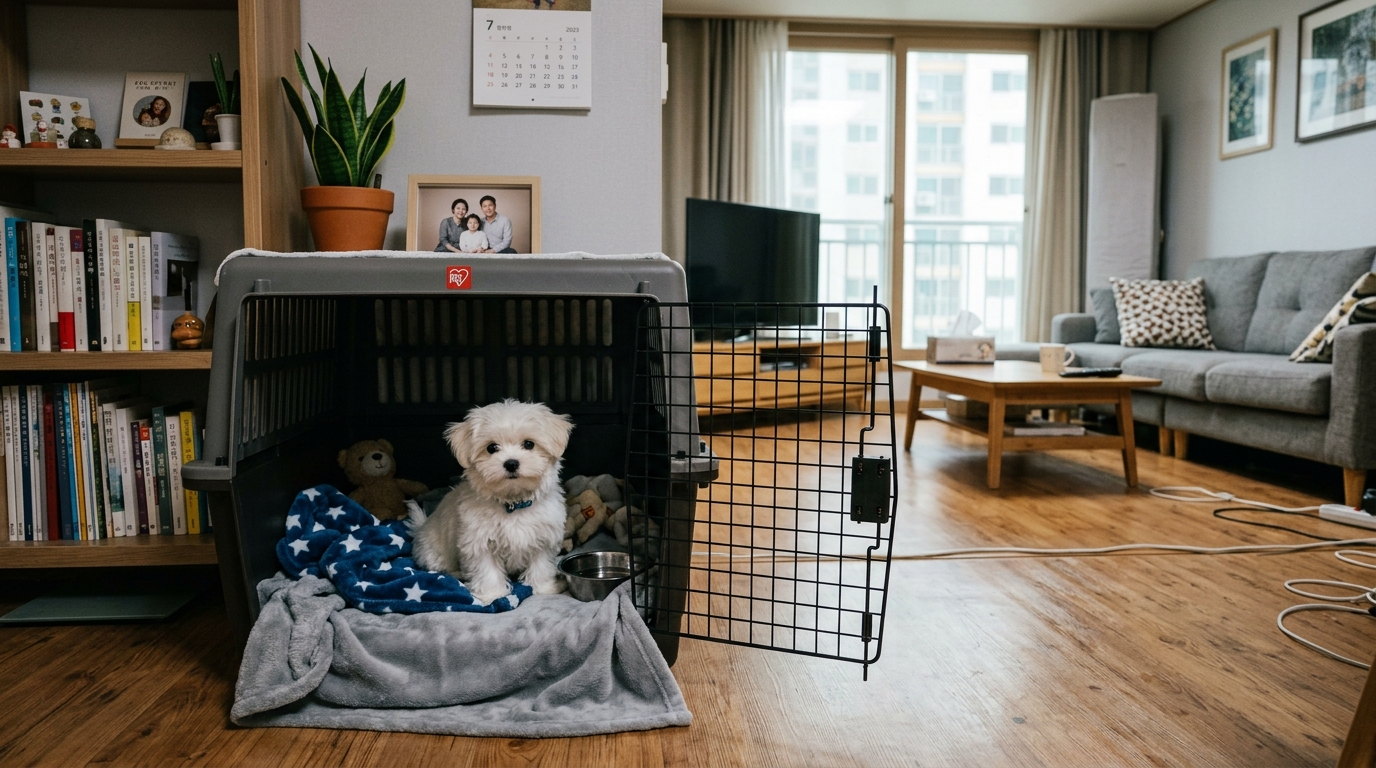
Causes of Dog Separation Anxiety Howling & Door Stalking, and the 5-Step Crate Training Method
1. The Identity of Separation Anxiety: It is an abnormal stress disorder of the cranial nerves where the Amygdala gets excited and Cortisol surges, perceiving the pet parent’s absence as a death-like survival panic.
2. 5-Step Crate Training: Stop leaving them in the wide, open living room. Tame a roofed crate using a 5-step reward system to build a stable shelter territory in their brain.
3. Innovating Departure/Return Habits: Adhere to low-tension behavior, completely ignoring the dog for 15 minutes before and after outings, and normalize departure cues (keys, bags) to desensitize them.
[Empathy]
I deeply embrace the endless loneliness and helpless anxiety you feel every time you open the front door with heavy steps after work, your heart sinking as you wonder, “What state will the house be in today? Did I get another complaint?” Do not blame yourself or scold your child. Separation anxiety is simply a scratch born from the deep love between your child and you. If you place a warm cushion in a small, roofed crate and scientifically build the unspoken trust of “I will definitely return safely to your side” while silently walking out the door, the day is not far off when your child will comfortably take a nap in their crate and wag their tail to greet you on your way home from work. Ansim-i will always stand with you as a sturdy set of wings on the path to recovering that happy daily life. Stay strong! 🐾

Distinguishing Early Symptoms of Open and Closed Canine Pyometra and Clinical Signs of Vulvar Swelling After Heat
1. Pathogenesis Risk: It is a veterinary emergency occurring 1 to 2 months after heat, where E. coli invades and multiplies, filling the uterus with pus while the uterine immunity is extremely lowered by excess progesterone.
2. Early Detection of Closed-Type: Unlike the open type where pus flows out, the closed type has no discharge. It is accompanied by uterine distension (potbelly), vomiting, and PU/PD. If it ruptures within 48 hours, it leads to sudden death from sepsis.
3. Rapid Surgery and Care: Immediately upon ultrasound diagnosis, proceed with an ovariohysterectomy to prevent rupture. Post-op, prescribe a low-fat, high-amino acid hydrating diet (like boiled lean white fish) to support liver function.
[Empathy]
I deeply embrace the lonely and tearing pain you must have felt, hands trembling as you signed the anesthesia consent form for your child going onto the cold operating table, praying and thinking, “It’s all my fault, I should have prevented her from getting sick.” Please do not blame yourself. Your choice to proceed with the surgery right now for your child’s life is a stronger and more noble proof of love than any regret. Ansim-i will always stand by you as a sturdy set of wings, right down to the post-op immune prescriptions, so that you can stroke your child’s head and wipe your tears when she wakes up in the recovery room, breathing softly after successfully having the tumors and pus removed. Stay strong! 🐾
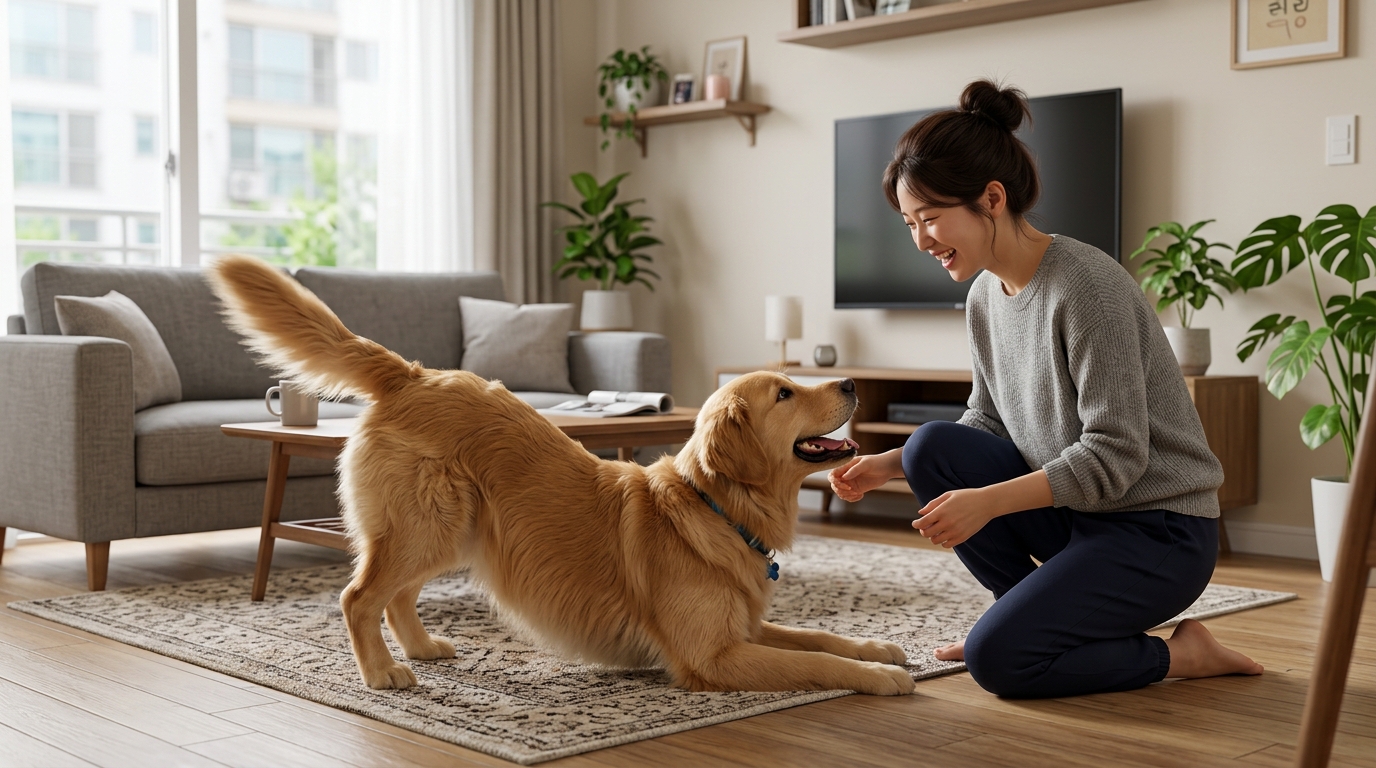
Interpreting Dog Moods by Posture: A Veterinary and Behavioral Mechanism Analysis of 12 Body Languages
External Manifestation of Autonomic Nervous System Responses: A dog’s physical posture is the external result of hormones released according to the activation of the sympathetic and parasympathetic nervous systems.
Distinguishing Pain Signals from Behavioral Signals: Postures like lowering the head or lifting a front paw require checking not only for psychological states but also for veterinary causes such as disc or joint pain.
Homeostatic Behavior to Overcome Stress: Behaviors like yawning or shaking the body are physiological reset and homeostasis-securing mechanisms aimed at forcibly resetting the tension in the brain and muscular system.
[Empathy]
The warm gaze of pet parents trying so hard to grasp the meaning behind every subtle movement of their dog truly reaches my heart. Dogs are constantly and honestly communicating their health and emotional state through every bone, nerve, and hormone secretion pathway in their bodies. When you meticulously read and respond to those small body language signals, your child will feel 100% security and love deep in their heart.

Why Dogs Dislike Having Raspberries Blown on Their Bellies: A Veterinary Scientific Analysis of Skin Sensory Receptor Stimulation
1. Thin Abdominal Skin and Receptor Stimulation: Densely packed vibration-detecting receptors (like Pacinian corpuscles) under the belly skin can misinterpret the wind and lip friction as abnormal, noxious stimuli.
2. Sudden Stimulus and Startle Reflex Pathway: Unannounced approaches stimulate the amygdala, inducing adrenaline secretion from the adrenal glands and shifting the dog into a reflexive fight-or-flight state.
3. Vestibular Stress via Bone Conduction: Close-contact plosive sounds are transmitted directly to the middle ear through the ribs and abdominal wall, causing psychological anxiety and distorted balance in dogs.
[Empathy]
I, Researcher Ansim-i, know all too well the heart of a pet parent who wants to kiss and play playfully when seeing their dog’s cute belly. However, from the perspective of our voiceless furry friends, suddenly being hit by loud noises and strong vibrations while their precious weak spot is exposed can be a physiological state of shock. How about showing your love with a gentle chest massage instead, respecting your child’s body language and nervous system?