
'마젠타랩' Search Results
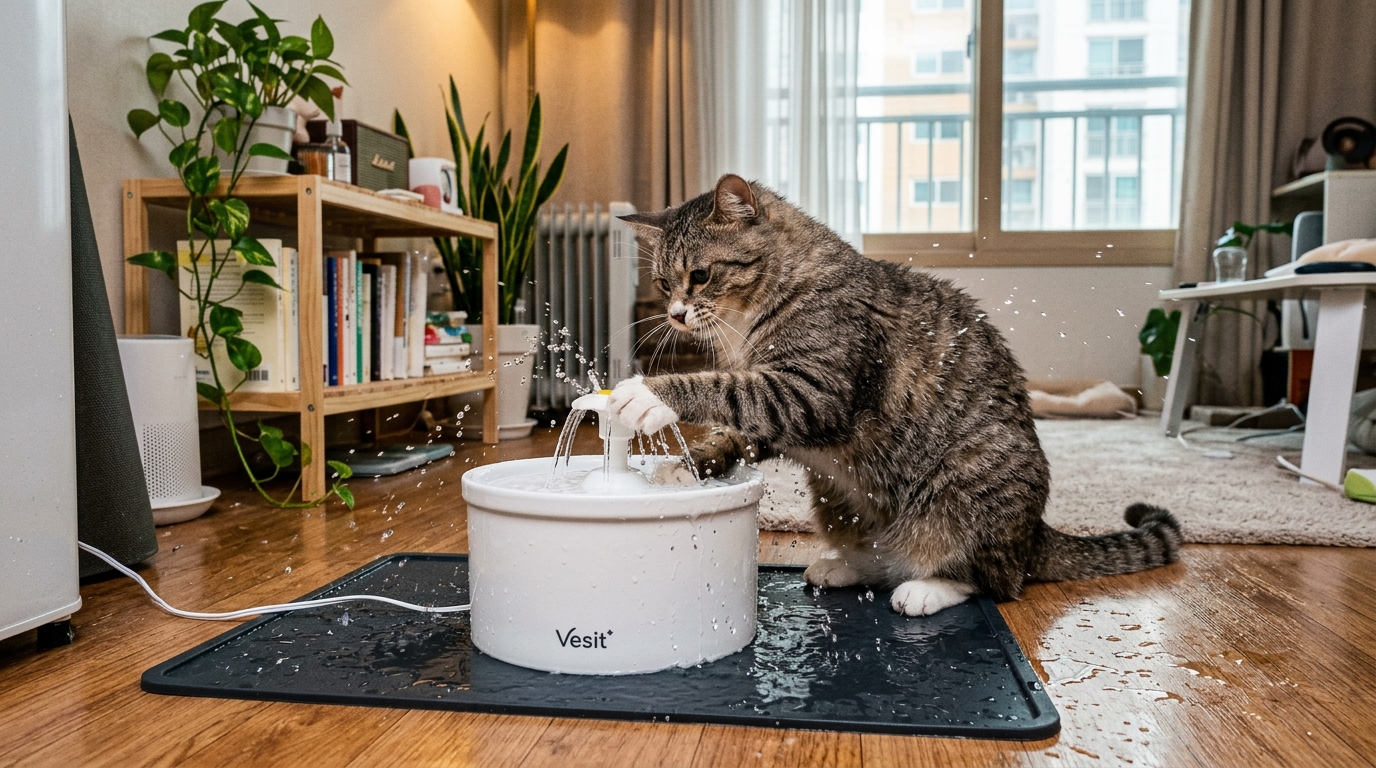
Veterinary Reasons Why Cats Dip Their Paws in Water Before Drinking & Tailored Solutions for Pet Parents
1. Inducing Ripples to Measure Water Level: Because their close-range vision is weak and they cannot see the transparent water boundary, they create ripples with their paws to gauge the depth.
2. Avoiding Whisker Fatigue: This is an action to safely lick water off their paws to avoid the unpleasant sensation of their sensitive whiskers touching the narrow rim of a bowl.
3. Preventing Urinary Tract Disease Risks: Prolonged refusal to drink water leads to Feline Idiopathic Cystitis (FIC) or urethral stones, causing acute uremia. Therefore, improving the bowls and separating the spaces are absolutely necessary.
[공감]
I can clearly see the troubled heart of a pet parent, sighing while chasing around with a mop, watching your cheeky feline friend dip their paws and create a puddle every time. However, behind that cute rebellion hid the cat’s own untold story of simply wanting to drink water more safely and comfortably. If you generously widen their bowls and move their locations, your cat will express their gratitude with their whole body and happily lap up their water. Ansim will always root for a peaceful journey with your feline companion! 🐾
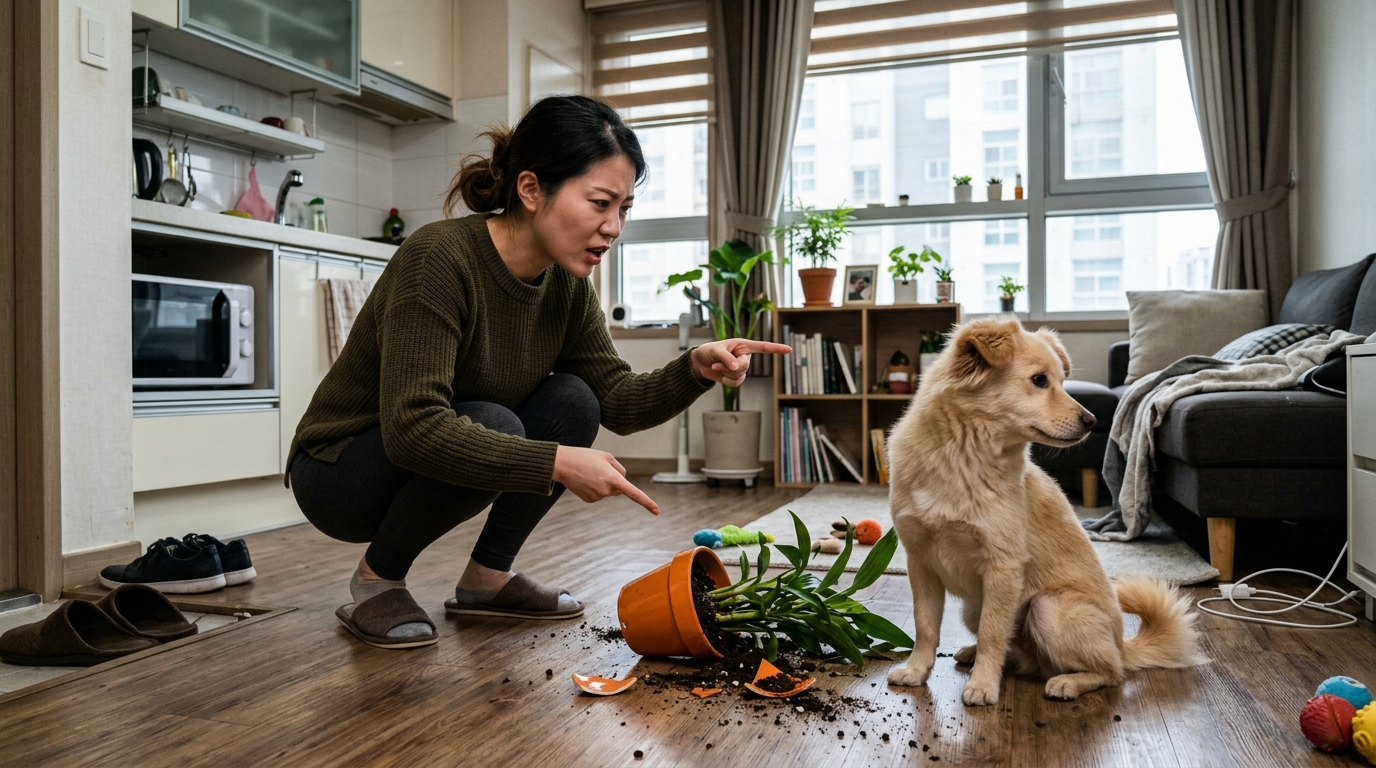
Do Dogs and Cats Lie? Learned Malingering and Veterinary Differential Diagnosis
1. Conditioned Response: They cannot tell moral lies, but it is a “positive reinforcement” learning process that recreates the successful memory of when your love and treats poured out after they acted sick.
2. Differentiating Limping: If they drag their leg even when given treats or watched from afar, or feel pain when touched, suspect patellar luxation or disc disease.
3. Pathological Polyphagia: If they act starved despite just eating, it could be a sign of endocrine system diseases like Cushing’s disease or diabetes.
[공감]
I can see the sad look in your eyes, having worried and fretted as if your heart was breaking when your dog limped and acted in pain. However, seeing the image of you laughing helplessly at the little rascal who hops like a bunny as soon as you hold out a treat, I also feel a cute sense of relief. Our little ones, who accurately pierce through your infinite kindness to perform, are truly geniuses! Ansim is rooting for you to have a happy day, cuddling your little one who acts out because they want to be loved! 🐾
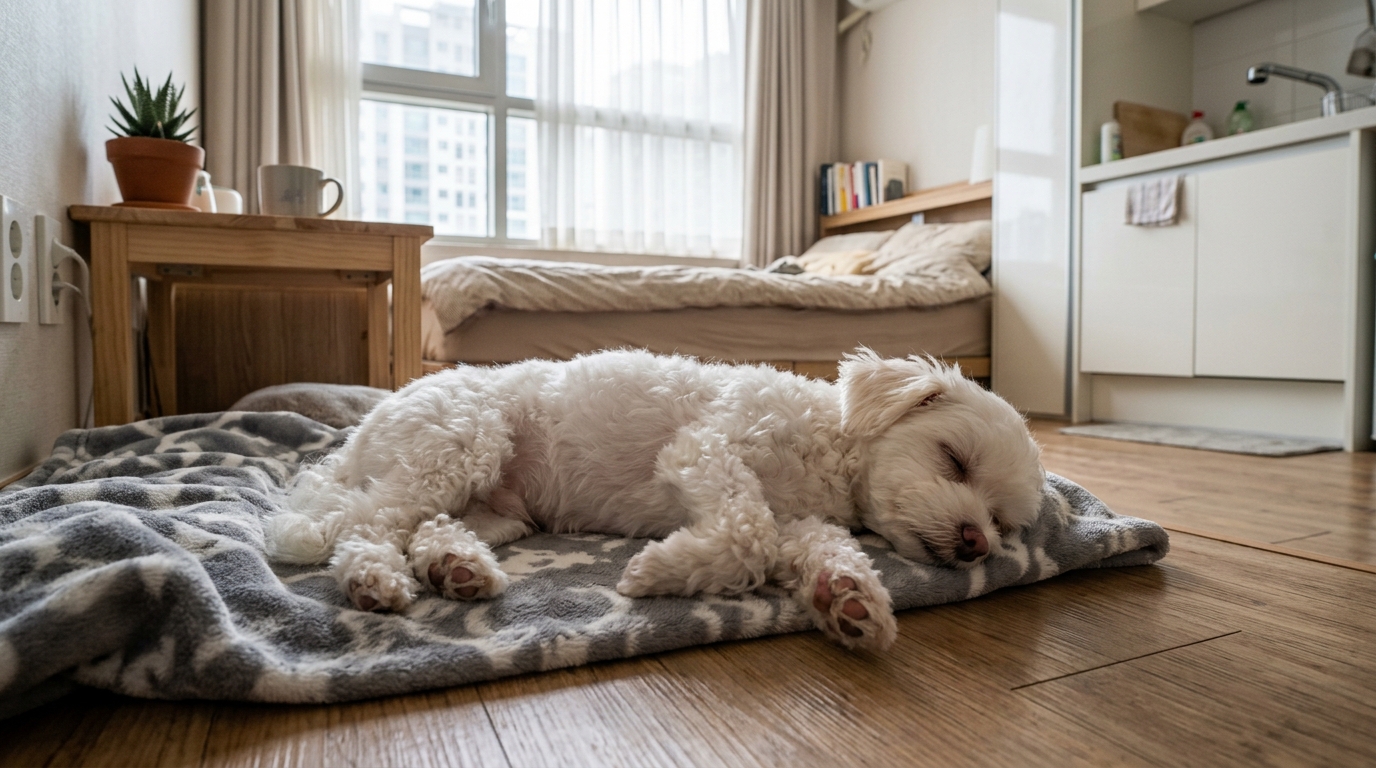
Do Dogs and Cats Dream? Veterinary Evidence and Analysis of Sleep-Talking
1. Dreams Proven by Brainwaves: Dogs and cats go through the same REM sleep cycles as humans, processing memories and cleansing the brain through dreams.
2. Distinguishing Sleep-Talking from Seizures: Normal sleep-talking results in the pet waking up and regaining consciousness when called loudly or stimulated, whereas epileptic seizures cause the body to stiffen and remain unresponsive to any stimulus.
3. Never Forcibly Wake Them: Forcibly shaking a pet awake during a dream triggers a “fear response” (defensive instinct), which can lead to biting; when you must wake them, call their name gently to redirect their attention.
[Empathy]
I can deeply feel the love you have, keeping watch by your pet’s side while your heart races, wondering if they are sick or having a nightmare when they whimper or tremble in their sleep. However, that twitching is just a cute trace of them excitedly running through that happy walk you shared earlier today in their dreams. You, as a parent who provides shade so your child can have sweet dreams with peace of mind, have the warmest heart in the world. Ansim will always root for your happy nights together!
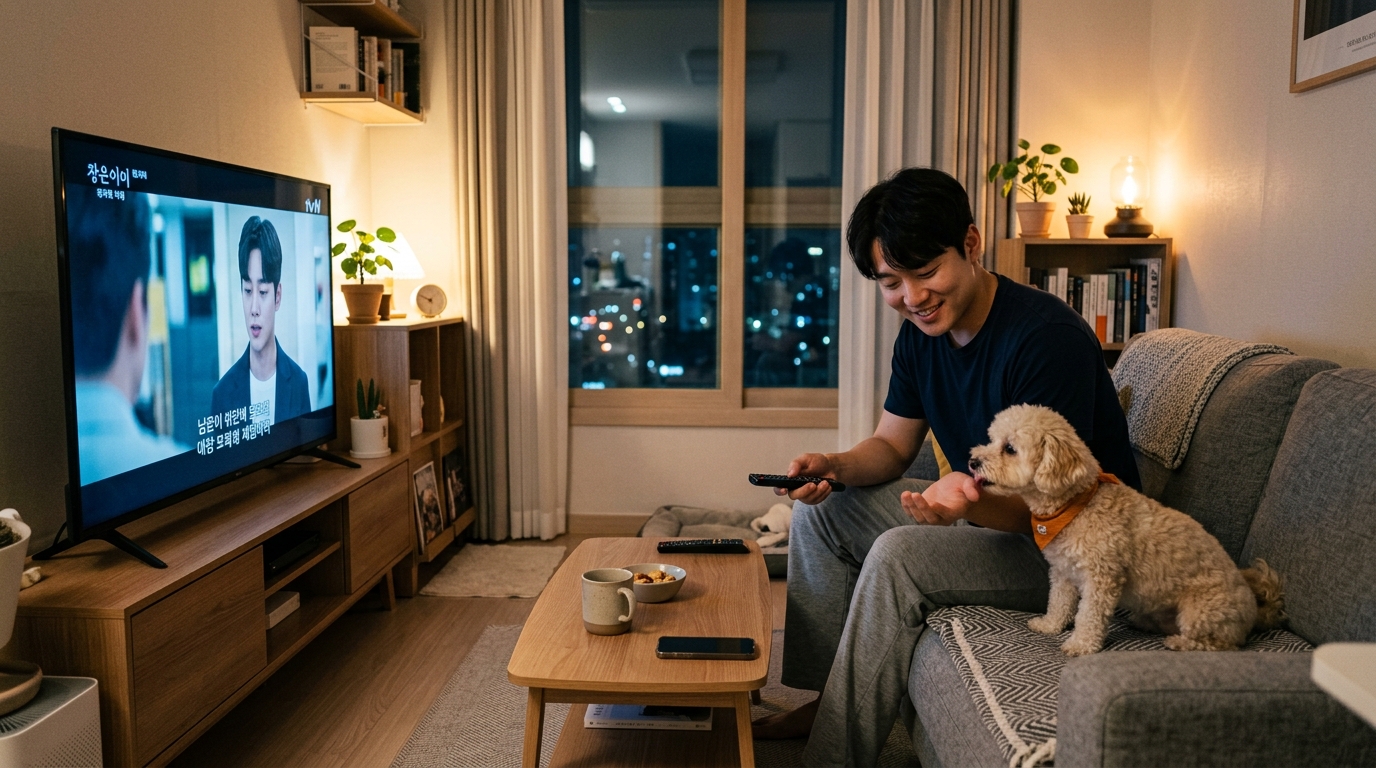
The Scientific Reasons Why Pets Locate and Lick Your Painful Areas
1. Pets accurately identify painful spots by sensing internal chemical changes (VOCs, stress hormones) and minute changes in body temperature with their extraordinary senses.
2. The behavior of licking painful areas is an expression of wild instincts to treat wounds and social bonding to comfort and reassure their pet parents.
3. Because there is a risk of secondary infection and delayed wound healing due to harmful oral bacteria, you must gently discourage your pet from licking the wound directly.
[Empathy]
The warmth in their eyes as they quietly stay by your side, sniffing you as if worried about your pain. The love of our companions, who feel our pain and suffering with their whole body before anyone else and try to comfort us, seems to possess a healing power stronger than any medicine. Why not simply accept their heartfelt intent and whisper your love back with a warm hug? Pet parents, please take care and stay healthy!
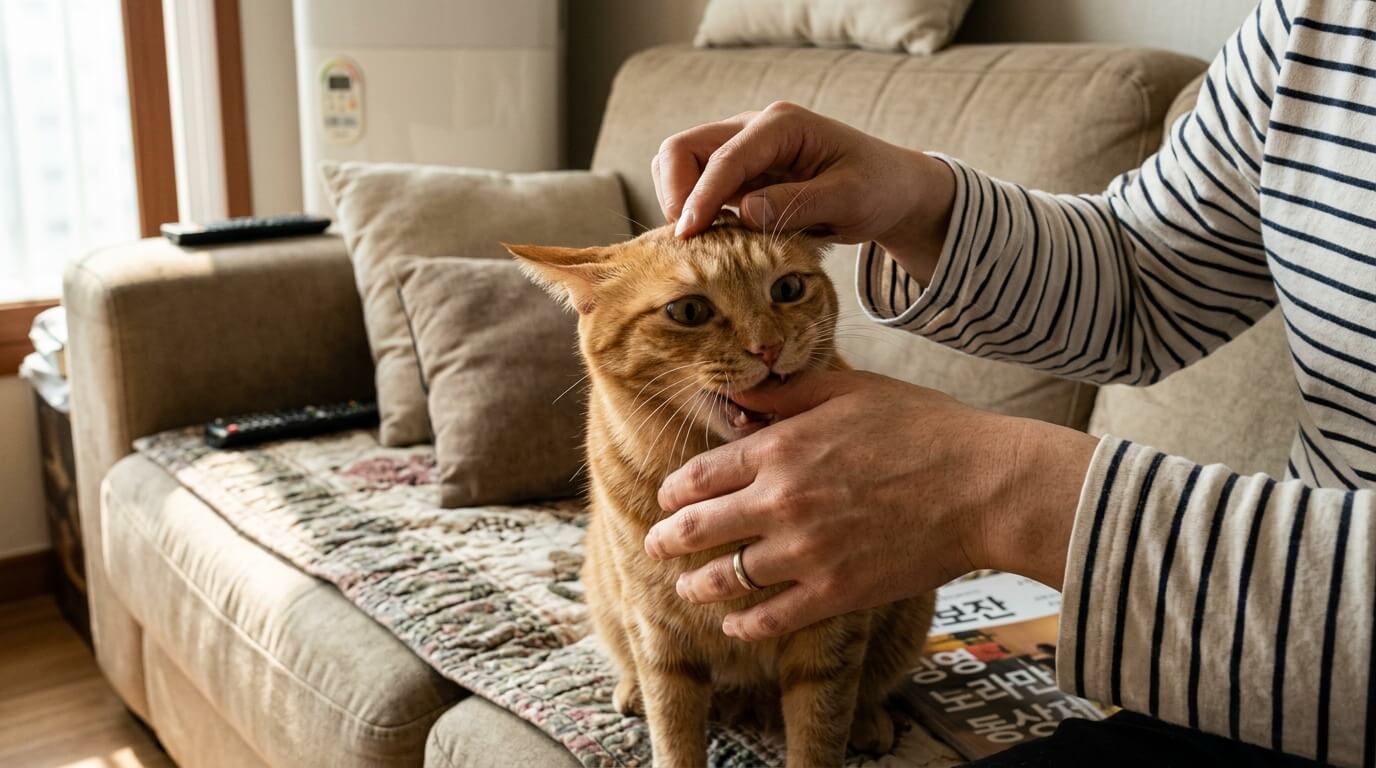
Why Do Cats Bite When Being Petted? Dealing with “Petting Aggression” That Happens Mid-Purr
1. The reason cats bite while being petted is due to sensory overstimulation.
2. Make sure to identify warning signs such as tail thumping or ears pinned back before they bite.
3. Stop petting immediately upon seeing warning signs, and consult a veterinarian if you suspect a persistent pain response.
[공감]
For the pet parents who were startled and saddened because your little one suddenly bit you and ran away: Please don’t be hurt. It’s not that your cat hates you; they just became overstimulated and were clumsily expressing, “I want to rest now.” If you listen a little more closely to your cat’s small signals, you will be able to share even warmer and more peaceful interactions without any biting in the future!
Canine Coprophagia: Understanding Why Dogs Eat Poop and Correcting Nutritional Deficiencies & Behavioral Stress
1. Canine coprophagia may have medical causes, such as a lack of pancreatic enzymes or parasitic infections, so please check for nutritional deficiencies through a veterinary examination.
2. Clean up feces immediately after elimination, and rather than scolding, implement positive reinforcement[cite: 1, 2] training to encourage the dog to come to the pet parent using treats.
3. Actively encourage outdoor elimination and provide plenty of walks and nose-work activities to relieve indoor stress.
[공감]
I deeply empathize with the hearts of pet parents who must have been greatly shocked and upset upon witnessing their dog’s coprophagia right before their eyes. This behavior is not your dog trying to disappoint you; it is an unfortunate survival instinct as they attempt to fulfill a nutritional or psychological deficiency on their own. Please do not blame yourself or feel impatient. If you approach them with calm environmental management and a warm perspective, they will certainly regain healthy and proper habits.

Behavioral Analysis of Cats Crying at Walls, Nighttime Scratching Obsession, Dementia, and Pain
1. A cat crying loudly while staring at a wall is a strong signal of aging-related Cognitive Dysfunction Syndrome (CDS).
2. Scratching the post excessively every night is a pain-avoidance behavior aimed at distracting from osteoarthritis pain or Feline Idiopathic Cystitis (FIC) stress.
3. To prepare for accidental ingestion caused by pica due to cognitive decline (such as chocolate, lilies, onions, etc.), you must fundamentally block indoor toxic hazards and utilize night lights and pheromone therapy.
[Empathy]
Ansim-i deeply feels the heavy heart (a mix of exhaustion and heartbreak) during the sleepless nights of pet parents who watch their cats cry out with unfamiliar sounds or behave anxiously every night. A cat’s night crying is not a temper tantrum to annoy you, but rather a final signal for help sent because they are aging and in pain. Your profound love—turning on a warm light and gently comforting them by their side—is the absolute best treatment for your cat.

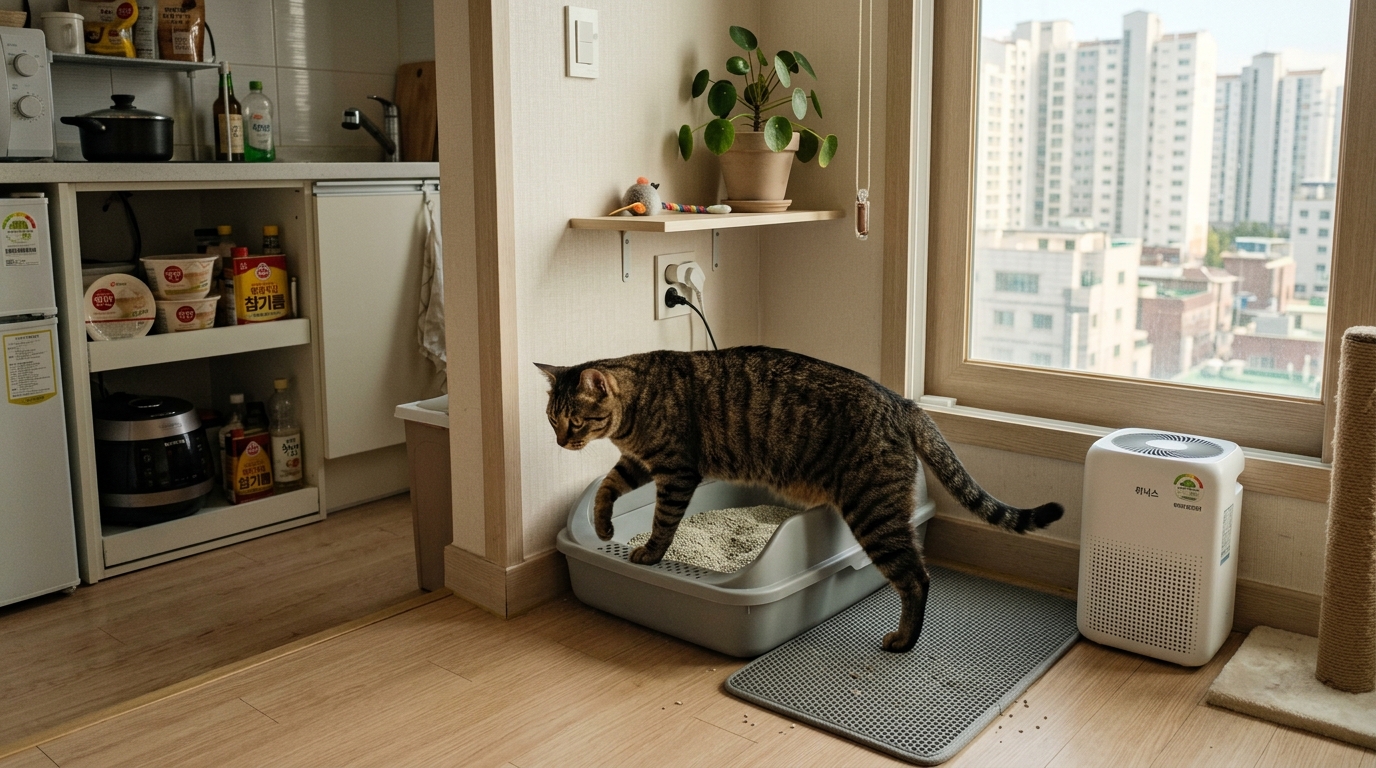
Periuria in Cats: Causes of Litter Box Accidents, Litter Texture Stress, and Behavioral Screening
1. A cat’s inappropriate urination is not a simple rebellion but a pain avoidance behavior (periuria) caused by damage to the bladder’s GAG layer.
2. Tofu litter or large-particle sand stimulates the paw nerves and makes cats avoid the litter box, making tactile screening essential.
3. If a cat in a weakened urinary state ingests dangerous toxic substances like chocolate, lilies, or grapes, acute kidney failure shock will occur, so these must be kept out of the home.
[Empathy]
Pet parents, Ansim-i deeply understands your overwhelming and tearful feelings (exhausted from running the laundry all night just to erase the smell) when you return home every day to find the bed and blankets soaked in urine. Please remember that your cat does not hate you; it is a final, tear-filled rescue signal they are sending because they are in physical and mental pain. Please bring comfort to your cat’s heart with soft, fine litter and gentle mood lighting. Ansim-i will always support you through this tearful, yet surmountable, journey.
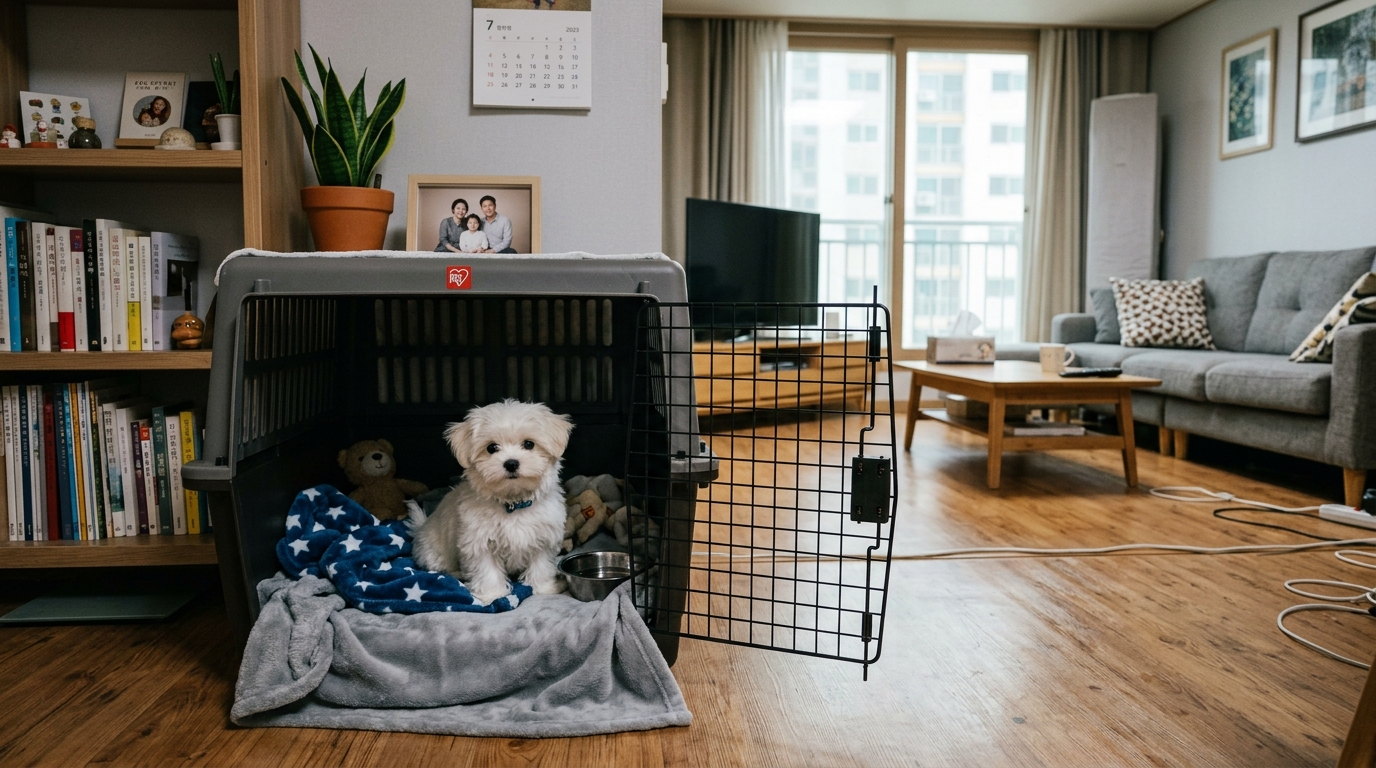
Causes of Dog Separation Anxiety Howling & Door Stalking, and the 5-Step Crate Training Method
1. The Identity of Separation Anxiety: It is an abnormal stress disorder of the cranial nerves where the Amygdala gets excited and Cortisol surges, perceiving the pet parent’s absence as a death-like survival panic.
2. 5-Step Crate Training: Stop leaving them in the wide, open living room. Tame a roofed crate using a 5-step reward system to build a stable shelter territory in their brain.
3. Innovating Departure/Return Habits: Adhere to low-tension behavior, completely ignoring the dog for 15 minutes before and after outings, and normalize departure cues (keys, bags) to desensitize them.
[Empathy]
I deeply embrace the endless loneliness and helpless anxiety you feel every time you open the front door with heavy steps after work, your heart sinking as you wonder, “What state will the house be in today? Did I get another complaint?” Do not blame yourself or scold your child. Separation anxiety is simply a scratch born from the deep love between your child and you. If you place a warm cushion in a small, roofed crate and scientifically build the unspoken trust of “I will definitely return safely to your side” while silently walking out the door, the day is not far off when your child will comfortably take a nap in their crate and wag their tail to greet you on your way home from work. Ansim-i will always stand with you as a sturdy set of wings on the path to recovering that happy daily life. Stay strong! 🐾
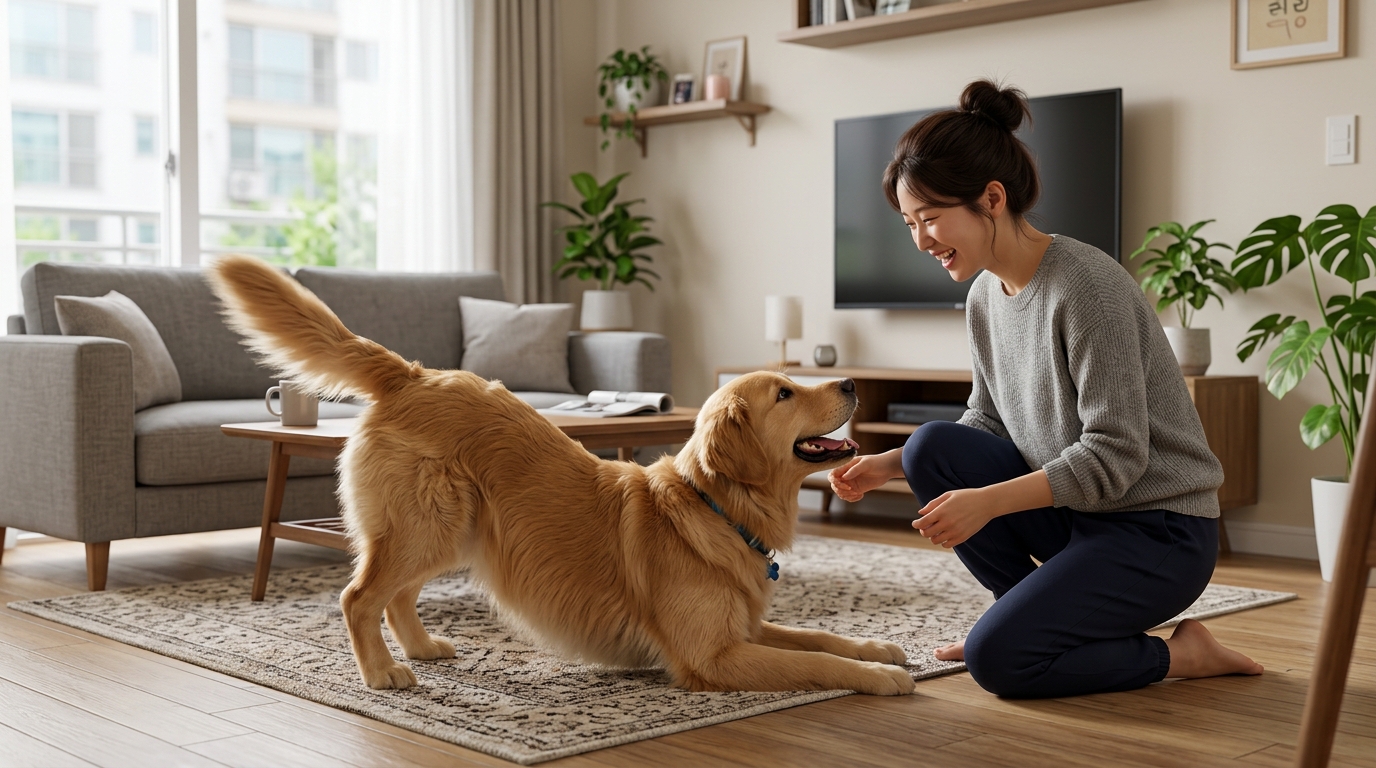
Interpreting Dog Moods by Posture: A Veterinary and Behavioral Mechanism Analysis of 12 Body Languages
External Manifestation of Autonomic Nervous System Responses: A dog’s physical posture is the external result of hormones released according to the activation of the sympathetic and parasympathetic nervous systems.
Distinguishing Pain Signals from Behavioral Signals: Postures like lowering the head or lifting a front paw require checking not only for psychological states but also for veterinary causes such as disc or joint pain.
Homeostatic Behavior to Overcome Stress: Behaviors like yawning or shaking the body are physiological reset and homeostasis-securing mechanisms aimed at forcibly resetting the tension in the brain and muscular system.
[Empathy]
The warm gaze of pet parents trying so hard to grasp the meaning behind every subtle movement of their dog truly reaches my heart. Dogs are constantly and honestly communicating their health and emotional state through every bone, nerve, and hormone secretion pathway in their bodies. When you meticulously read and respond to those small body language signals, your child will feel 100% security and love deep in their heart.
Why Dogs Dislike Having Raspberries Blown on Their Bellies: A Veterinary Scientific Analysis of Skin Sensory Receptor Stimulation
1. Thin Abdominal Skin and Receptor Stimulation: Densely packed vibration-detecting receptors (like Pacinian corpuscles) under the belly skin can misinterpret the wind and lip friction as abnormal, noxious stimuli.
2. Sudden Stimulus and Startle Reflex Pathway: Unannounced approaches stimulate the amygdala, inducing adrenaline secretion from the adrenal glands and shifting the dog into a reflexive fight-or-flight state.
3. Vestibular Stress via Bone Conduction: Close-contact plosive sounds are transmitted directly to the middle ear through the ribs and abdominal wall, causing psychological anxiety and distorted balance in dogs.
[Empathy]
I, Researcher Ansim-i, know all too well the heart of a pet parent who wants to kiss and play playfully when seeing their dog’s cute belly. However, from the perspective of our voiceless furry friends, suddenly being hit by loud noises and strong vibrations while their precious weak spot is exposed can be a physiological state of shock. How about showing your love with a gentle chest massage instead, respecting your child’s body language and nervous system?
Why Cats Obsess Over Scratcher Pads and the Placement Formula to Relieve Territorial Marking Stress
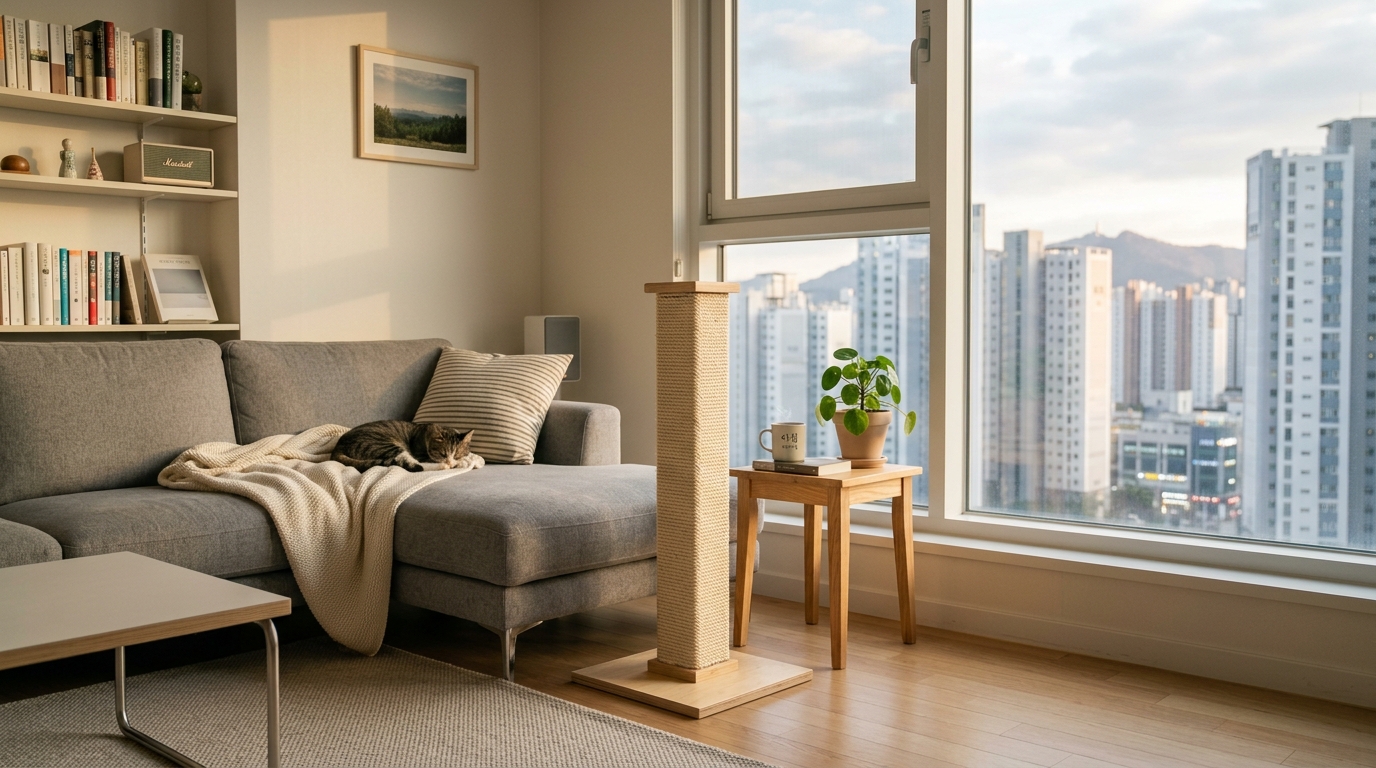
1. Interdigital Gland Pheromone Nameplate: Scratching is not merely sharpening claws; it is a territorial marking and communication method that calms the mind by smearing unique pheromones from the paw’s interdigital glands.
2. The Greater the Anxiety, the Bigger the Marking: When territorial stress rises due to unfamiliar sounds or signs of intruders, cats obsessively scratch expensive sofas and wallpaper where marks are highly visible to leave their trace.
3. Pathway Hub and Entrance Placements: You must place multiple scratchers in the three core movement areas—the front door, hallway pathways, and the foot of the bed where they wake up—to stop the destructive ruin of furniture.
Ansim-i will always be by your side to help ensure a happy time with your furry friend! 🐾
[Empathy]
Please do not get heartbroken over the sofa leather and wallpaper getting torn day by day, and do not hurt each other’s feelings by fighting loudly with your cat to protect the furniture. The rough paws scratching the living room walls were actually a desperate SOS signal thrown with their whole body, saying, “Pet parent, I feel so insecure in the house right now. Please let me clearly express that this is my territory.” Ansim-i deeply understands and embraces the lonely eyes of the cat who scratched the corner of the sofa to suppress its anxiety while nervously watching to see if it would be scolded.
The Heart of the Surviving Pet Living with a Pet Parent Suffering from Pet Loss Syndrome
1. Animals Absorb Grief Like a Mirror: The severe pet loss depression experienced by a pet parent accelerates the surviving animal’s cortisol secretion, causing lethargy and a weakened immune system.
2. Defend the Regularity of Daily Life: You must strictly maintain feeding times and walking routes to instill psychological stability in the dog’s brain, which is shaken by the collapse of the pack structure.
3. Gradual Olfactory Farewell: Do not rush to clear away the deceased child’s belongings. Organize them slowly over a minimum of two weeks so the surviving child can accept the parting olfactorily.
Ansim-i will always be by your side to help ensure a happy time with your furry friend! 🐾
[Empathy]
Please do not shed tears over the fact that, blinded by the tearing longing for the child who passed first, you failed to notice the wounded heart of the surviving child looking up at you with sad eyes at your feet. To the surviving child who anxiously listened to their pet parent’s cries and endured the empty space of their companion alone, please reach out now with a warm embrace and the unwavering steps of your daily routine. Ansim-i deeply empathizes with the silent comfort of the surviving child who, even amidst the deep loss of their companion, stayed by your side, worrying only about their pet parent’s grief.
Reasons for Feline Dawn Zoomies and How to Mitigate Nocturnal Vocalization
1. Crepuscular Instinct Manifestation: Feline zoomies (FRAPs) and dawn vocalization are physical symptoms that occur when a cat’s wild hunting energy cannot find an outlet in a confined indoor space, resulting in an explosive spike of cortisol and adrenaline.
2. The 4-Step Play Formula: One hour before bedtime, you must satisfy their cyclical routine of [Stalking & Tracking ➔ Pouncing & Jumping ➔ Eating Reward ➔ Grooming & Sleeping] to naturally induce the cranial nervous system into a relaxed mode.
3. Preventing Positive Reinforcement: If you immediately approach, pet, or offer treats the moment your cat cries at dawn, they will learn this negative behavior, exacerbating it into chronic nocturnal vocalization. Therefore, you must maintain absolute unresponsiveness.
[Empathy]
My heart deeply aches for the accumulated fatigue and distress of pet parents who have woken up with a start in the dark at dawn to the sharp cries of their little ones, burying their faces in their pillows with a lonely, deep sigh, wishing, “Please, just be quiet.” Please do not feel sorry for your cat or give up. The dawn disturbances are simply a cute, wild tantrum aimed at instinctively releasing their boiling vitality within the safe home you have provided. Tonight, before you turn off the lights, grab a feather wand to thoroughly satisfy their hunting instincts, and then fill their tummies with a warm bowl of wet canned food. If you do, your furry friend will curl up quietly at your feet, breathing softly, and guard your deep sleep all night long. Ansim-i will always walk alongside you on this path to a peaceful sleep revolution with veterinary prescriptions. Stay strong! 🐾
Total 14 research articles published.