
Dog Panting and Drooling Causes: How to Differentiate Between Simple Heat, Chronic Pain, and Respiratory Distress
Magentalab Research Team
July 15, 2026

Hello! This is Chief Researcher Dachshund Ansim-i from the Magentalab Pet Research Institute! Today, I’ve brought another informative research report to ensure a happy and healthy life journey for you and your dog.
When a dog sticks their tongue out, pants heavily, and drools, pet parents often feel anxious—unable to tell if it’s simply a reaction to the hot weather or a red flag for a severe illness or physical pain. While dog panting is their primary method for releasing body heat, it is also a major clinical sign of cardiac overload, respiratory distress, and chronic joint or intervertebral disc pain. Through veterinary clinical observations, I will explain in detail how to distinguish between normal breathing and critical warning signs.
1. Differentiating Physiological Thermoregulation from Abnormal Chronic Pain Panting
Because dogs have very few sweat glands on their skin, they regulate their body temperature by releasing the heat of vaporization through respiration. However, if shallow, rapid panting persists along with thick, sticky drool even when they are resting or in a cool, air-conditioned environment, it is highly likely a sign of neuropathic pain or a circulatory disorder, rather than a normal thermoregulatory response.

The comparative schema table below highlights the anatomical signals between simple physiological panting and pathological breathing that requires emergency veterinary intervention.
| Breathing Type | Root Cause | Breathing Pattern & Characteristics | Accompanying Symptoms | Need for Emergency Vet Intervention |
| Physiological Panting | Post-exercise, high-temperature environment | Regular rhythm of rapid breathing, clear saliva | Quickly stabilizes after drinking water and resting | Very Low (Recovers when a cool environment is provided) |
| Pain-Induced Panting | Intervertebral Disc Disease (IVDD), Osteoarthritis | Irregular and shallow panting, hunched back | Trembling, vocalizing when touched, mobility/gait issues | [Moderate to High] Requires thorough diagnostics for suspected chronic spinal nerve compression |
| Respiratory/Cardiac | Tracheal Collapse, Pulmonary Edema, MMVD | Wheezing, metallic sounds, goose-honk cough | Cyanosis (purple tongue), pale gums, extending the neck forward | [⚠️ Extreme Emergency] Immediate oxygen therapy required due to high risks of suffocation and pulmonary edema |
2. The Pathological Mechanisms: Early Heatstroke vs. IVDD Compensatory Breathing
When a dog enters the early stages of heatstroke with their body temperature soaring above 103°F (39.5°C), the evaporative cooling mechanism becomes paralyzed. This causes salivary secretions to become thick and sticky, and mucosal dehydration progresses rapidly. Conversely, dogs suffering from Intervertebral Disc Disease (IVDD) or chronic joint pain will repeatedly exhibit shallow, compensatory panting due to hyperventilation and sympathetic nervous system activation triggered by pain. This is not an issue with the lungs or bronchi, but rather a central compensatory mechanism caused by spinal nerve irritation.

3. Toxic Mechanisms of Dangerous Foods Causing Acute Cardiopulmonary Failure in Overloaded Dogs
If a dog is already experiencing respiratory overload and tachycardia (rapid heart rate) due to exhausted respiratory muscles and an overworked heart, ingesting certain dangerous foods can be fatal. These toxic components can completely block oxygen supply pathways or cause immediate paralysis of cardiac smooth muscle, causing mortality rates to skyrocket.

The table below is a quick veterinary toxicology guideline on toxic substances that cause acute organ paralysis and poisoning within 24 hours when ingested by a dog with weakened cardiopulmonary function.
| Dangerous Ingredient | Causal Agent | Physiological Toxicity & Respiratory Paralysis Mechanism | Early Clinical Signs of Poisoning | Prevention & Emergency Response |
| Chocolate | Theobromine | Methylxanthine toxins increase intracellular calcium levels, causing excessive myocardial contractions and triggering arrhythmias. | Extreme respiratory distress, vomiting, arrhythmic shock, full-body seizures. | Store all chocolate products deep in securely locked cabinets. |
| Onions & Garlic | Allyl propyl disulfide | Destroys red blood cell haptoglobin and forms Heinz bodies, completely blocking the body’s oxygen delivery capacity. | Red hematuria (bloody urine), severe anemia, mucosal jaundice, fainting, and labored breathing. | Completely block access to food scraps or human meals containing sauces. |
| Xylitol | Xylitol (Gum/Candies) | Explosively stimulates insulin secretion from the pancreas, blocking brain glucose and causing severe acute hepatic necrosis. | Severe full-body tremors, lethargy, staggering, shock-induced respiratory arrest. | Ensure xylitol gum inside purses or outdoor bags is completely inaccessible. |
| Grapes & Raisins | Tartaric acid | Causes acute necrosis of the epithelial cells in the renal glomerular tubules, blocking urination and causing uremia. | Acute vomiting, sudden drop in urine output, aggravated breathing due to uremia, coma. | Never leave baked goods with raisins or unpeeled grapes unattended on counters. |

4. Emergency Guidelines: Improving Indoor Temp/Humidity and Hydration for a Panting Dog
Promote evaporative cooling by setting the indoor temp to 72–75°F (22–24°C) with humidity under 50%.
If your dog’s panting is due to physiological reasons related to the temperature, turn on the air conditioner to 72°F–75°F and set the dehumidifier so the humidity stays below 50%. This adjusts the indoor environment so the moisture from their breath can easily evaporate into the air.

Switch to a chest-led harness to prevent neck pressure and secure a comfortable airway.
For dogs exhibiting panting due to Tracheal Collapse or an enlarged heart, using a neck collar is a major factor that further obstructs the airway. Immediately remove the collar and switch to a Y-shaped harness that does not compress the chest or neck, effectively eliminating airway strain.

5. Chief Researcher Ansim-i’s Cardiopulmonary & Spinal Care Prescription
A dog’s rough panting and drooling are not just signs of feeling hot; they are biological SOS signals sent by their entire body to preserve their life when their heat-release pathways are blocked or when they are enduring intense IVDD pain. Establishing an infrastructure that doesn’t compress the neck (like a chest harness) and strictly controlling indoor temperature and humidity are the core pillars of preventive medicine.
As Ansim, I deeply empathize with the desperate and trembling hearts of pet parents who have frozen in panic, frantically searching for a 24-hour emergency vet clinic while holding their anxiously panting dog after a walk or in the dead of night. Though it is a terrifying moment, your calm and swift actions—removing the harness and lowering the room temperature—are the absolute best first-aid measures to ensure your dog gets life-saving oxygen. Please know that Magentalab’s proprietary computation funnel will always stand by your side, serving as a steadfast lighthouse on your journey of nutritional and spinal care.
Recommended Research Data 🕸️
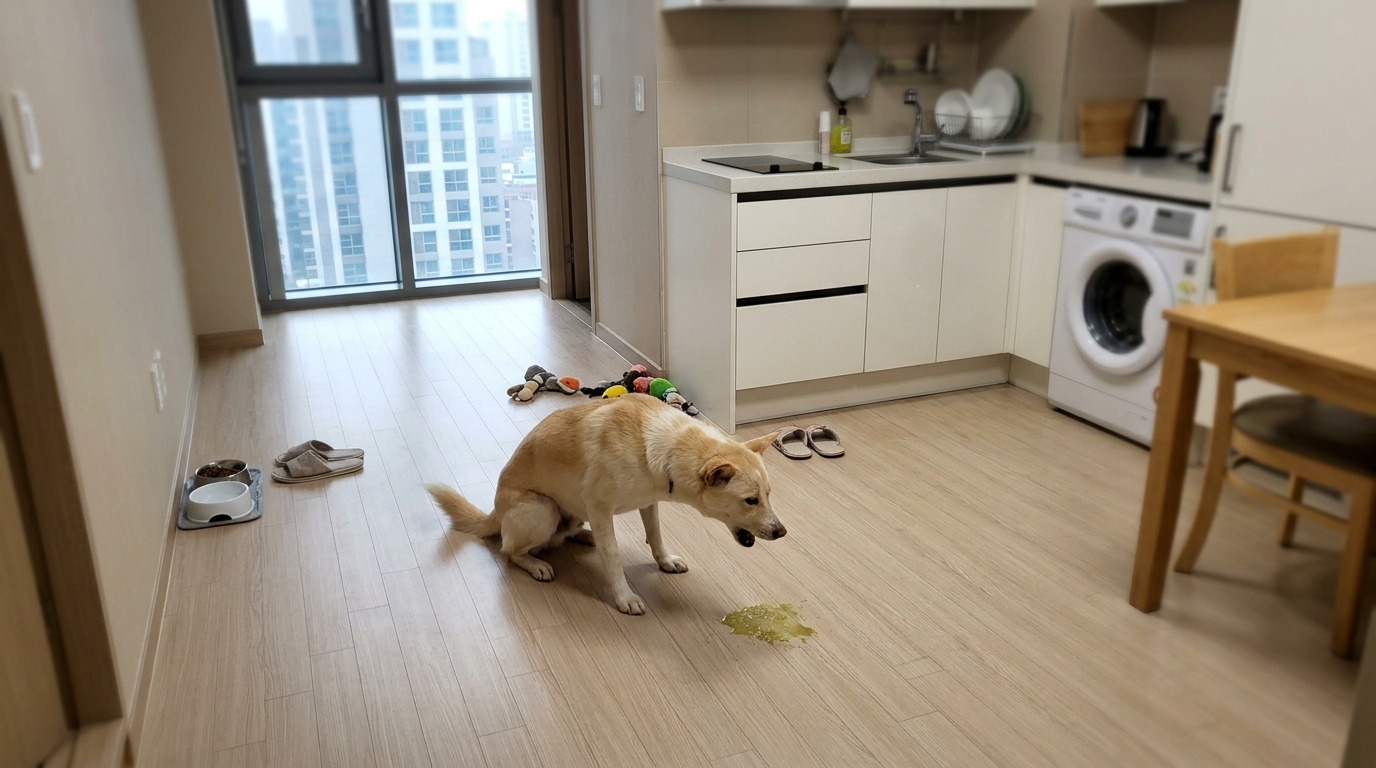
Differences Between Dog Food Regurgitation and Acid Vomiting, and DM Ingredient Comparison for Gastrointestinal Irritating Foods

The Causes of Feline Ear Tip Hair Loss and Flaking: Ringworm (Dermatophytosis) Contagion and Wood’s Lamp Examination

A Comprehensive Guide to Cat Bad Breath: Causes, the Mechanism of Periodontitis-Induced Systemic Organ Failure, and Dental Scaling Costs
Comments (0)
No comments yet. Be the first to leave one!