
안심이 연구원이 정보를 분석하고 있어요
Analyzing / 情報分析中
잠시만 기다려주세요...
안심이 연구원이 정보를 분석하고 있어요
Analyzing / 情報分析中
잠시만 기다려주세요...
Discover evidence-based veterinary research
and daily care guides from Magentalab Pet Research Institute.

1. Comparison after moisture removal is essential: Since moisture content completely differs between dry (10%) and wet (80%) foods, you must analyze nutritional components on a Dry Matter (DM) basis, standardizing moisture to 0%.
2. Crude fat control for pancreatitis prevention: Even canned foods with seemingly low fat content can turn out to be high-fat diets (DM 20% or more) that trigger pancreatitis when converted to a DM basis, so you must be careful.
3. Blocking Phosphorus (P) in dogs with kidney disease: To prevent calcium-binding calcification in renal failure patients, you must selectively feed only diets where the DM phosphorus content is 0.8% or less (0.5% or less for severe cases).
[Empathy]
I can truly feel the overwhelming and desperate heart of pet parents who have shed tears looking at the complicated numbers on the back of the food package while holding their dog whining from elevated kidney values or pancreatitis pain. Your tearful efforts to calculate and study these nutritional values one by one (which are much more unfamiliar and difficult than math formulas) are the greatest treatment that firmly holds your dog’s lifeline. So that you don’t give up, Ansim-i will always walk alongside you with clear formulas until the end. Stay strong! 🐾
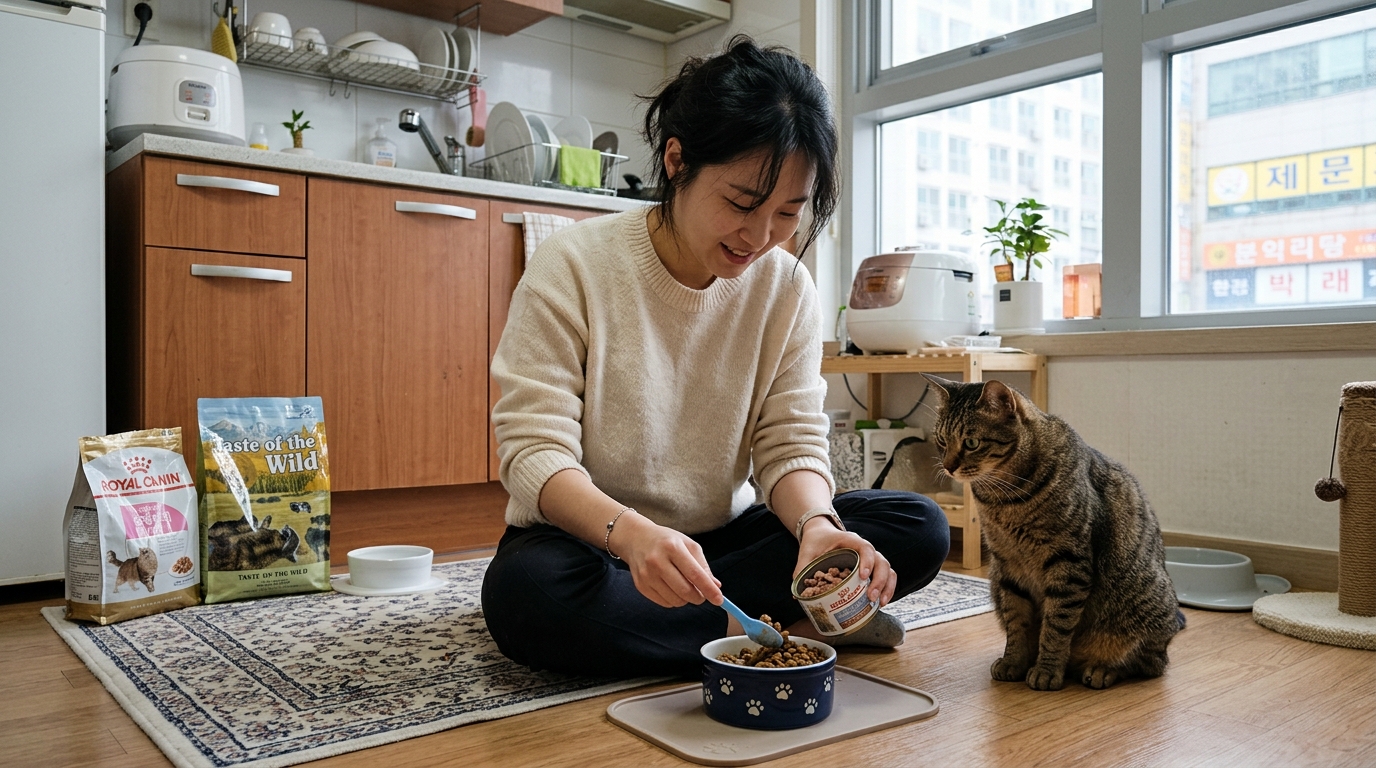
1. Genetic metabolic deficiency: Cats, being obligate carnivores, have absolutely no starch-digesting enzymes in their saliva, and their liver’s glucose metabolic capacity is extremely limited, making high-carb foods hard to digest.
2. Reverse-calculating unlabeled carbohydrates: To accurately determine the omitted carbohydrate value on a food bag, you must calculate what remains after subtracting protein, fat, fiber, ash, and moisture (NFE), and then convert it once more to a Dry Matter (DM) basis.
3. Blocking diabetes and acute hepatic lipidosis: A high-carb diet exceeding 35% on a DM basis induces insulin resistance, leading to Type 2 Diabetes, and triggers fatal hepatic lipidosis if an obese cat suddenly fasts.
[Empathy]
I deeply feel the heavy heart of pet parents who toss and turn at night (worried their cat might get diabetes), constantly observing their cat struggling in the litter box with poor digestion or continuously gaining weight despite carefully selecting and buying expensive food every time. However, your loving dedication in manually reverse-calculating the hidden numbers on the food label is the brightest light that will keep your senior cat’s pancreas and kidneys strong for a lifetime. Ansim-i will always be here like a reliable lighthouse to safely help you with the official calculations, so let’s calmly prepare a healthy diet together! 🐾

1. Cramped airways and 4 major obstructions: While bone length is shortened, soft tissue remains the same size, forcefully cramming into a narrow airway. This causes anatomical issues that make breathing difficult, such as stenotic nares and an elongated soft palate.
2. Wheezing stridor alarm: If they make a high-pitched, sharp breathing sound (stridor) when excited, it is a dangerous signal that the airway near the larynx is tightly blocked. You must calm them down immediately and supply oxygen.
3. Preventing sudden heat stroke in summer: Since they lack sweat glands, they must cool down by panting. But because their narrow airways prevent proper thermoregulation, you must absolutely avoid midday walks in summer and keep indoor temperatures below 73°F (23°C).
[Empathy]
I deeply feel the anxious hearts of pet parents who have stayed awake all night touching their dog’s chest (worried their breathing might stop in their sleep) while listening to them snort and gasp like a pig. When others laugh and call the snoring cute, you alone worry and feel sorry for them (a testament to your deep affection), and Ansim-i wants to give you a big, comforting hug for that. Thanks to your warm care in opening up their airways with cool indoor temperatures and a safe harness, your dog can sleep peacefully again tonight. Ansim-i will always support the cool, healthy journey of you two! 🐾

1. Canine coprophagia may have medical causes, such as a lack of pancreatic enzymes or parasitic infections, so please check for nutritional deficiencies through a veterinary examination.
2. Clean up feces immediately after elimination, and rather than scolding, implement positive reinforcement[cite: 1, 2] training to encourage the dog to come to the pet parent using treats.
3. Actively encourage outdoor elimination and provide plenty of walks and nose-work activities to relieve indoor stress.
[공감]
I deeply empathize with the hearts of pet parents who must have been greatly shocked and upset upon witnessing their dog’s coprophagia right before their eyes. This behavior is not your dog trying to disappoint you; it is an unfortunate survival instinct as they attempt to fulfill a nutritional or psychological deficiency on their own. Please do not blame yourself or feel impatient. If you approach them with calm environmental management and a warm perspective, they will certainly regain healthy and proper habits.
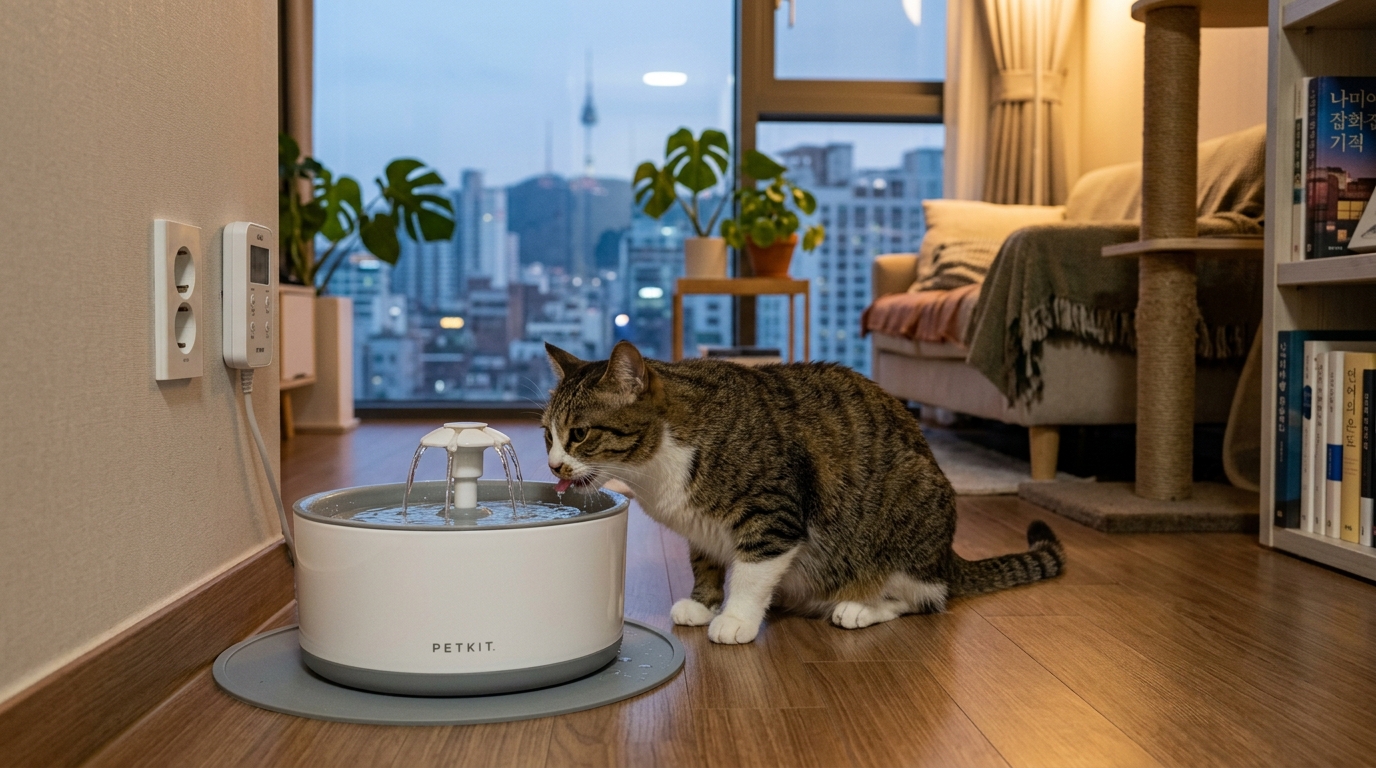
1. Because cats are highly insensitive to thirst due to their desert-adapted evolution, pet parents must actively manage their water intake.
2. If nephrotoxic substances like grapes, salt, or lilies enter the body during dehydration, the kidneys are instantly destroyed, causing uremia.
3. Feeding wet food, separating food and water bowls, and providing flowing water are the core tips to effectively increase water intake.
[Empathy]
Ansim-i deeply sympathizes with the worried hearts of pet parents who anxiously check the water bowl every day only to find it still full. Getting your cat to like water is a long journey of love that does not happen overnight (it requires immense patience and consistency). Slowly try implementing the small tips I shared today, one by one. Ansim-i will always be here to cheer you on!

1. A cat crying loudly while staring at a wall is a strong signal of aging-related Cognitive Dysfunction Syndrome (CDS).
2. Scratching the post excessively every night is a pain-avoidance behavior aimed at distracting from osteoarthritis pain or Feline Idiopathic Cystitis (FIC) stress.
3. To prepare for accidental ingestion caused by pica due to cognitive decline (such as chocolate, lilies, onions, etc.), you must fundamentally block indoor toxic hazards and utilize night lights and pheromone therapy.
[Empathy]
Ansim-i deeply feels the heavy heart (a mix of exhaustion and heartbreak) during the sleepless nights of pet parents who watch their cats cry out with unfamiliar sounds or behave anxiously every night. A cat’s night crying is not a temper tantrum to annoy you, but rather a final signal for help sent because they are aging and in pain. Your profound love—turning on a warm light and gently comforting them by their side—is the absolute best treatment for your cat.

1. The crude protein value of freeze-dried food must be converted using the DM (Dry Matter) formula, excluding moisture, to accurately grasp the actual protein content.
2. To prevent the destruction of heat-sensitive vitamins and probiotics in the food, you must use lukewarm water strictly maintained between 38℃ and 40℃.
3. Rehydrated food is highly vulnerable to microbial proliferation, so it should not be left at room temperature for long. Leftovers must be discarded immediately to ensure safety.
[Empathy]
Ansim-i knows very well the warm love of pet parents who look at ingredient lists with a magnifying glass and carefully adjust the water temperature, wanting to feed their dogs better things every day. Even though complex calculations and strict hygiene management can be a bit of a hassle (and sometimes tiring), it is thanks to your careful touch that your dog’s kidneys and intestines are kept strong and healthy every single day. Ansim-i will always be by your side as a reliable supporter!
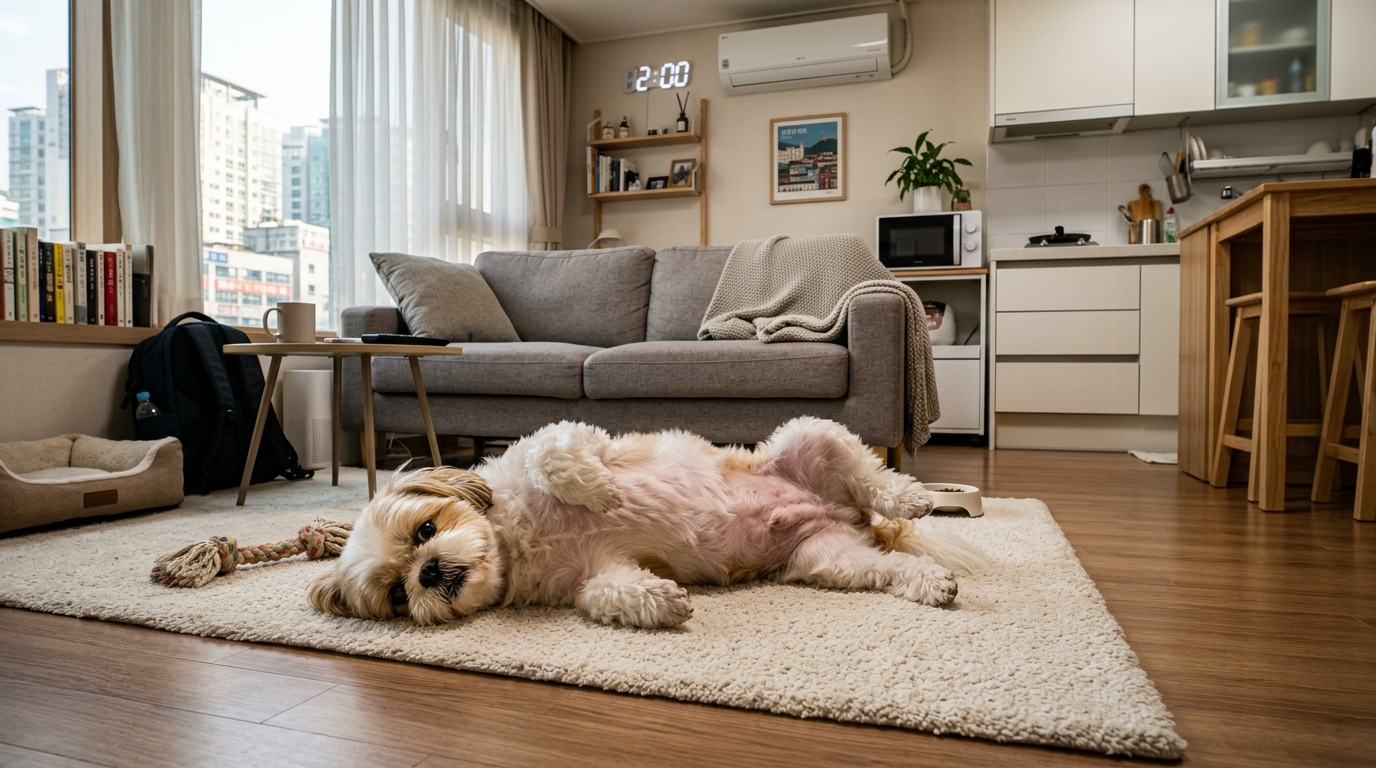
1. High-pitched, metallic wheezing (stridor) is a signal of inner airway stenosis and requires immediate veterinary intervention.
2. To prevent heatstroke shock in brachycephalic dogs during the hot summer, the indoor AC should be constantly maintained at 22~24°C (71.6~75.2°F) and humidity below 50%.
3. Ingesting items like onions (which damage red blood cells) or chocolate (which raises heart rate) during respiratory distress induces an acute oxygen block, so isolate these completely from your dog.
[Empathy]
Pet parents, Ansim-i knows all too well the exhaustion and deep devotion you show (fretting every night when your dog’s breathing gets rough at the slightest summer heat, and worrying entirely about your dog’s health rather than the monthly electric bill explosion). Ansim-i will always cheer on your dedicated efforts to protect the precious breaths of your dog, who works so hard every day to breathe through their narrow airway.
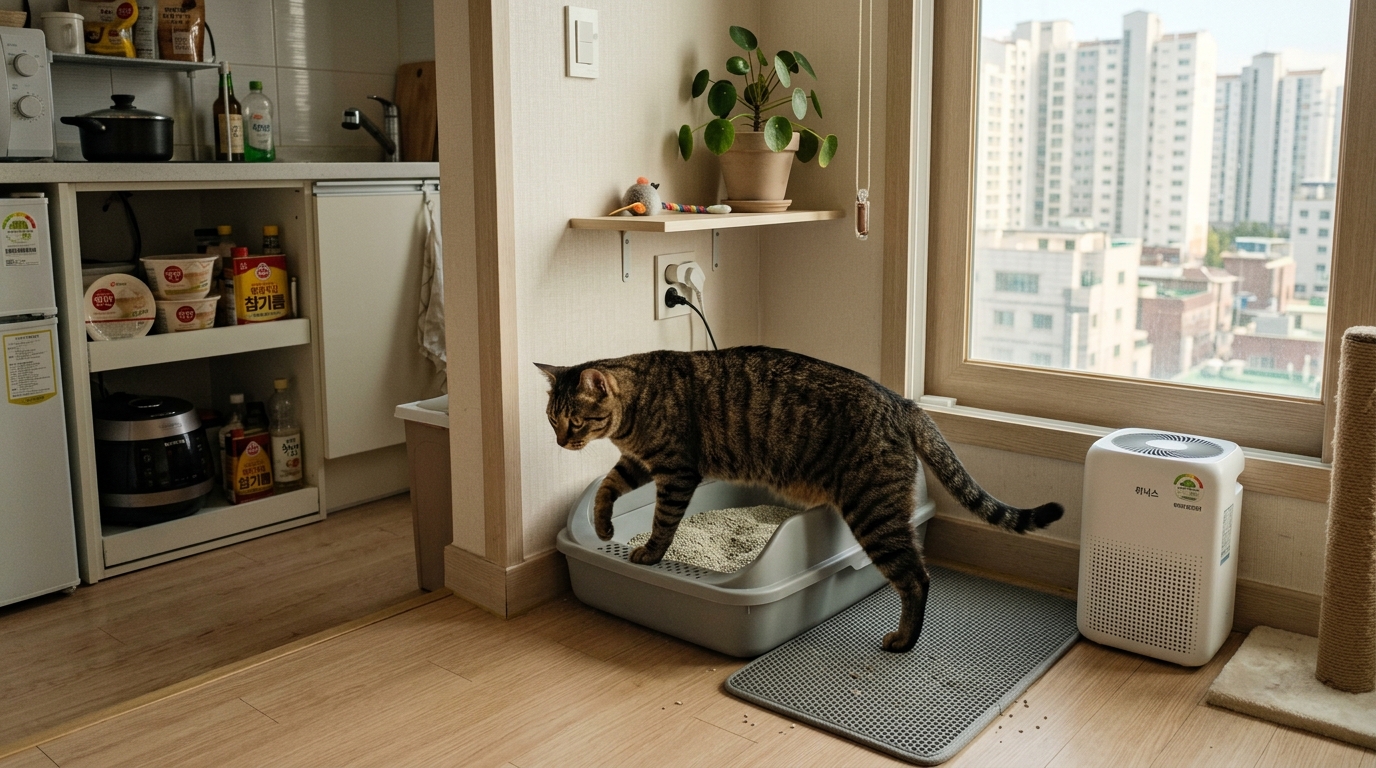
1. A cat’s inappropriate urination is not a simple rebellion but a pain avoidance behavior (periuria) caused by damage to the bladder’s GAG layer.
2. Tofu litter or large-particle sand stimulates the paw nerves and makes cats avoid the litter box, making tactile screening essential.
3. If a cat in a weakened urinary state ingests dangerous toxic substances like chocolate, lilies, or grapes, acute kidney failure shock will occur, so these must be kept out of the home.
[Empathy]
Pet parents, Ansim-i deeply understands your overwhelming and tearful feelings (exhausted from running the laundry all night just to erase the smell) when you return home every day to find the bed and blankets soaked in urine. Please remember that your cat does not hate you; it is a final, tear-filled rescue signal they are sending because they are in physical and mental pain. Please bring comfort to your cat’s heart with soft, fine litter and gentle mood lighting. Ansim-i will always support you through this tearful, yet surmountable, journey.

1. Cyanosis, where a dog’s tongue turns purple, is an ultra-emergency rescue signal indicating systemic oxygen desaturation caused by Myxomatous Mitral Valve Disease (MMVD).
2.Dehydration and rising temperatures increase blood viscosity, causing Disseminated Intravascular Coagulation (DIC) shock, making immediate temperature and humidity management essential.
3. If a dog with already unstable breathing ingests toxic substances—such as onions that destroy red blood cells or chocolate that causes the heart rate to spike—there is a high risk of sudden death.
[Empathy]
Pet parents, Ansim-i knows all too well the urgent and terrifying feelings you must have had (crying with your mind going completely blank) upon seeing your dog’s tongue suddenly turn bluish during a walk. Although it is a terrifying situation, your calm and prompt actions to remove the leash and lower their body temperature are the vital keys to saving their life and securing their golden time. Ansim-i will always be a source of strength for your earnest heart.

1. Understand the FGF4 Genetic Calcification: Because Dachshunds and Corgis begin experiencing intervertebral disc calcification around 1 year of age due to the chondrodystrophy gene, they must avoid excessive vertical pressure on their spine for their entire lives.
2. 24-Hour Monitoring of Deep Pain Perception (DPP): If hind leg paralysis occurs, use tweezers to firmly pinch the toes. If diagnosed as Grade 5 (loss of pain perception), ultra-emergency spinal decompression surgery must be performed within 24 hours to increase the chances of recovery.
3. 4 to 6 Weeks of Absolute Crate Rest: When diagnosed with mild Grade 1-2 IVDD, strictly adhere to crate confinement alongside anti-inflammatory medications to block physical movement and induce natural healing of the disc.
[Empathy]
Looking into the clear eyes of a pup dragging their limp hind legs pitifully while asking for a treat, my tender heart aches when I think of the sorrow you must have felt (crying through the night, wishing that your own back was broken instead). Please do not break down. Dogs are the first to smell the anxiety and silently grieve when their pet parents are crying and wavering. The greatest nursing care you can provide right now, overcoming your sorrow, is a firm and calm love that prevents you from making the mistake of opening the crate door out of pity. It requires solid courage to play soothing music for your dog, who might feel frustrated in the dark confinement box, and to whisper softly to them (Just hold on a little longer, and you’ll be able to run again). Ansimi will walk with you to the very end, toward the dazzling sunlight that waits at the end of this long tunnel of isolation and rehabilitation. 🐾

1. Feline acne is a skin follicle infection caused by friction between sebum and bacteria harbored in microscopically scratched plastic bowls.
2. Popping hard sebaceous cysts by hand forces the sac to rupture inward under pressure, causing severe secondary cellulitis. Please do not extract them.
3. Ingesting toxins like lilies, grapes, or chocolate while the immune system is weak can lead to acute organ failure and fatal poisoning. Maintain strict preventative hygiene.
[Empathy]
Ansimi deeply understands the heartbreak of pet parents who (out of sheer frustration) tried to touch their cat’s dark-spotted chin, only to feel immense guilt when the wound worsened and started bleeding. Instead of the urge to pop them by hand, what your cat needs is your careful, loving time (switching to clean ceramic bowls and gently wiping the area with lukewarm water every day). The independent computational funnel at Magentalab will always be a reliable beacon guiding you through your pet parent journey in urinary and nutritional care.
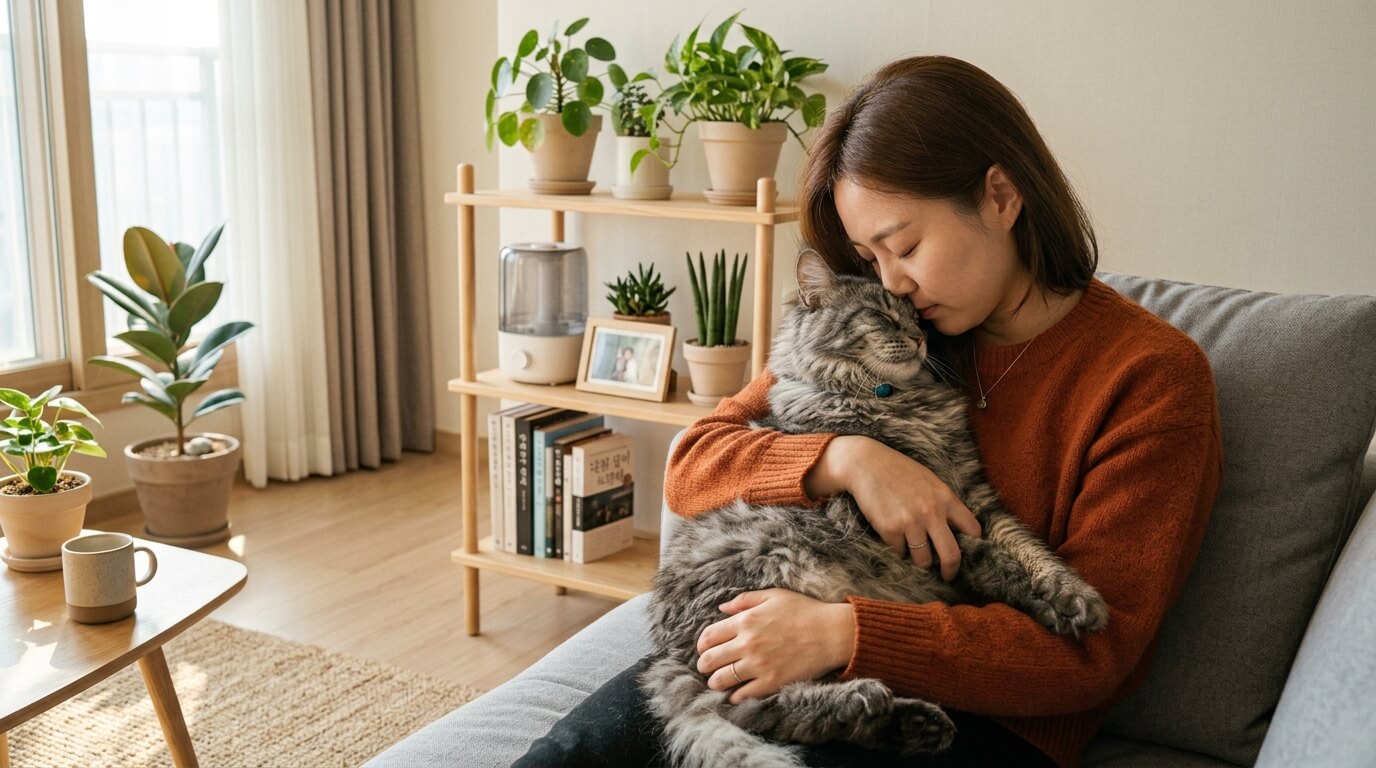
1. Early MYBPC3 DNA Screening: For Ragdolls (R820W) and Maine Coons (A31P), complete a genetic swab or blood test within their first year to determine their mutation status (heterozygous/homozygous).
2. LAE & Antithrombotic Meds: If an echo shows an LA/Ao ratio over 1.5–2.0, preemptive prescriptions of Clopidogrel are mandatory to prevent clots.
3. 5P Signs & 6-Hour Golden Hour: If you notice hind leg paralysis, screaming in pain, pulselessness, cold legs, or blue paw pads, rush them to a 24-hour ER within 6 hours to begin intensive care and prevent Reperfusion Injury.
[Empathy]
Holding a child who suddenly cannot use their hind legs and is crying out in pain (frantically dialing the animal hospital’s emergency room number with trembling hands while shedding endless tears), I, Ansim-i, can fully feel your heartbreaking sorrow. Do not fall into the trap of blaming yourself, wondering, “Did I do something wrong to make them sick?” This is absolutely not your fault. It is merely a cruel trick of genetics placed on their small, fragile heart from birth. But even in this moment, your cat is gaining the strength to live from your warm embrace and loving, tear-filled eyes. Do not give up at the edge of despair. When scientific care—like strict medication and monitoring daily breathing—meets your infinite love, miracles happen. Ansim-i will be your reliable guardian through every heavy breath, walking with you to the very end. Stay strong! 🐾

1. Malassezia’s Diet & Brown Wax: The lipophilic yeast Malassezia feeds on sebum and thrives in hot, humid environments. It breaks down sebum to create irritating fatty acids, resulting in brown ear wax and a foul odor.
2. L-Shaped Canal & Poor Ventilation: A dog’s unique L-shaped ear structure and pendulous ear flaps trap heat and moisture, creating a perfect greenhouse for yeast to breed.
3. Safe Liquid Flush Method: Instead of using cotton swabs, instilling a dedicated cleaner, massaging the ear base, and letting the dog shake it out naturally is the only way to prevent damage to the ear canal and eardrum.
[Empathy]
You have probably felt frustrated by that sour smell from your dog’s ears and the endless brown ear wax that appears no matter how much you clean, right? Pet parents of Poodles and Cocker Spaniels, in particular, often feel sorry and helpless when they see their dogs scratching despite weekly ear cleanings. However, the skin inside the ear is much thinner and more sensitive than you might think. Rather than reaching for a cotton swab out of a desire to scrub it clean (which can cause painful micro-abrasions), please massage the base of the ear gently and let a warm ear cleaner naturally melt the wax away. Your careful and loving touch (not a harsh cotton swab) is the absolute best prescription to bring comfort to your dog’s itchy ears.

1. Dog panting can be a normal breath to release body heat, but it can also be an abnormal compensatory breath due to IVDD pain or tracheal collapse.
2. Wheezing, high-pitched metallic stridor, or a goose-honk cough are extreme clinical emergencies requiring immediate airway securing.
3. For dogs already suffering from respiratory overload, accidental ingestion of dangerous substances (like onions that block oxygen supply or chocolate that spikes heart rate) carries a risk of sudden death.
[Empathy]
Ansim-i truly understands that desperate and trembling heart of pet parents (holding your breathless and panting dog after a neighborhood walk or in the middle of the night) while frantically searching for a 24-hour emergency vet number. Your calm response (removing the harness and adjusting the indoor climate) is the absolute best initial treatment to supply life-saving oxygen to your dog. Magentalab’s independent analytic funnel will always accompany you as a reliable lighthouse on your nutritional and spinal care guide journey.

1. A cat following you around like a stalker while emitting an abnormally long and loud purr can be a distress signal to endure chronic arthritis or organ pain.
2. The frequency of a purr (25~150Hz) is a physiological analgesic mechanism intended to increase bone density and induce endorphins to self-heal wounds.
3. For a cat weakened by internal pain, the accidental ingestion of toxins like lilies, chocolate, or grapes causes fatal acute renal cell necrosis (so they must be strictly isolated from your indoor environment).
[Empathy]
Ansim-i deeply sympathizes with the heavy, guilt-ridden hearts of pet parents (who may have initially thought their cat was just happily singing a song while following them around, only to later feel a rush of sorrow upon receiving a chronic disease diagnosis at the vet). Cats are clever hiders of pain, so your careful observation and environmental adjustments are the only keys to tending to their deep, unspoken feelings. Ansim-i will always guarantee and protect your warm companionship.

1. Understand Genetic Vulnerability: Pomeranians and Maltese are born with shallow knee grooves, making their kneecaps highly susceptible to medial luxation.
2. Spot the Hidden Pain: Aside from bunny hopping, early warning signs include flicking the hind leg, crouching, or faintly whimpering when picked up.
3. Build Standardized Infrastructure: Avoid overly plush mats that cause joint rotation. Use high-density mats, and ensure stairs/ramps are under 20 degrees or have wide steps under 4 inches high.
[Empathy]
Ansim-i deeply understands the urgent, heartbreaking feeling of petting your dog’s knee when they suddenly sit down and limp in the middle of a joyful walk. Please, let go of any guilt. A small dog’s patellar luxation is a congenital skeletal issue, not your fault. If you apply scientific love adjusting the angles of your indoor stairs and reinforcing your mats your baby can run bravely on all four legs without pain for the rest of their life. Magentalab’s independent computation funnel will always accompany you as a reliable lighthouse on your joint and nutritional care journey. 🐾
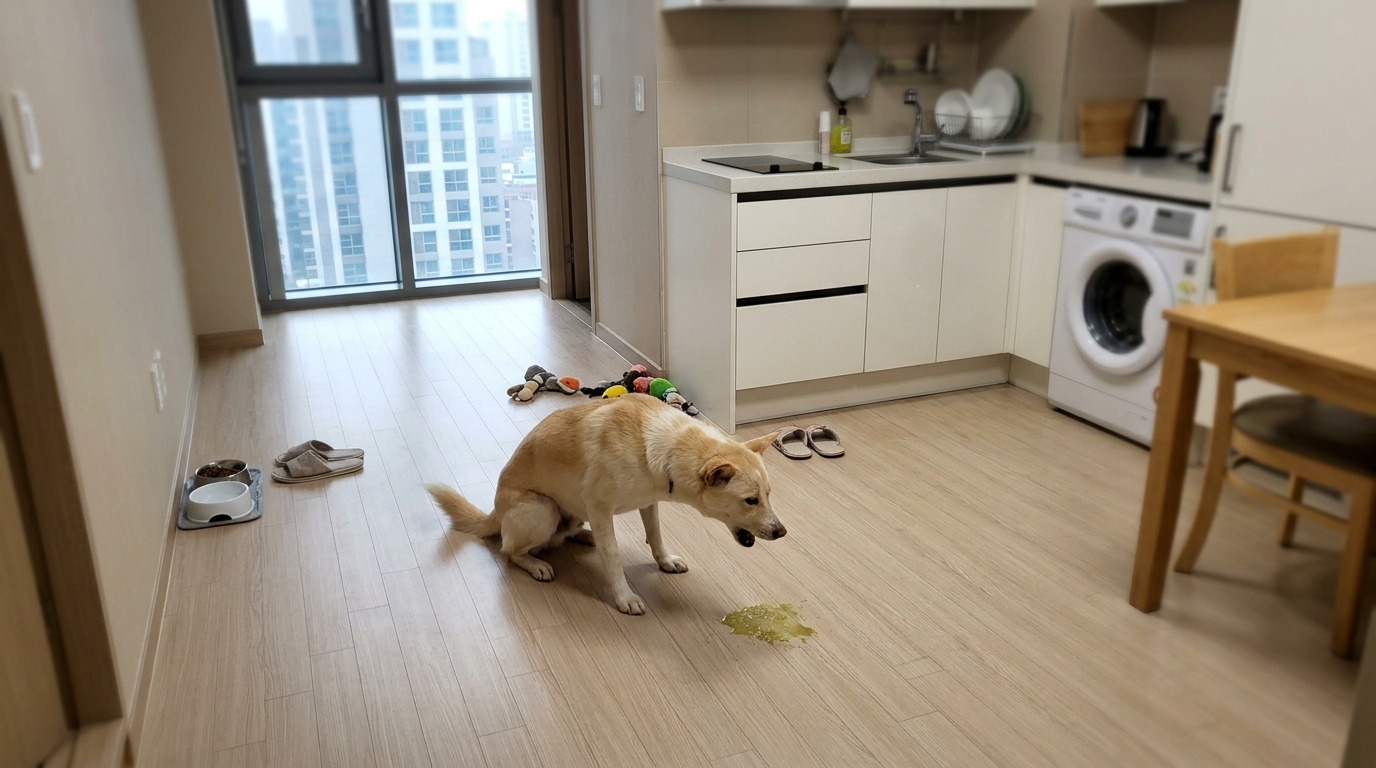
1. Dog Regurgitation is an abnormal esophageal reflux phenomenon where undigested food is expelled by lower esophageal pressure without any retching.
2. Poor Starches and Excessive Crude Ash in kibble damage the gastric mucosa and cause Megaesophagus when assessed via a Dry Matter (DM) nutritional analysis.
3. Prevent Toxin Ingestion: In a state of GI exhaustion, accidental ingestion of dangerous ingredients—like onions that destroy red blood cells or chocolate that paralyzes the central nervous system—leads to rapid systemic toxic shock. Keep them strictly out of reach.
[Empathy]
As Ansim, I deeply empathize with the anxious hearts of pet parents who have spent sleepless nights wiping the floor after their dog regurgitated unchewed food, terrified of a serious gastrointestinal illness. Your meticulous care raising the food bowl to shoulder height and switching to a highly digestible, soft wet diet is the most fundamental step in protecting and soothing your dog’s irritated esophagus. Please know that Magentalab’s proprietary computation funnel will always stand by your side, serving as a steadfast lighthouse on your journey of urinary and nutritional care.

1. Small Breed Joint Screening: To prevent patellar luxation in Pomeranians and Maltese, verify the presence of at least 800mg/kg of Chondroitin and Glucosamine, and confirm a low-fat design (Crude Fat ≤ 12–14% DM).
2. Poodle Skin and Tear Hydrolysis: To block tear stains and dermatitis caused by food allergies, screen for hydrolyzed diets with protein molecules reduced to under 3,000 Daltons, alongside optimal Omega-3 and 6 ratios.
3. Strict Large Breed Calcium/Phosphorus Ratios: To prevent skeletal overgrowth that triggers hip dysplasia in Retrievers, you must maintain the calcium-to-phosphorus ratio within the 1.1:1 to 1.3:1 range and strictly prohibit excessive calcium supplementation.
[Empathy]
I can vividly imagine you, our dedicated pet parents, navigating through pet stores and websites, pulling out a magnifying glass to compare every tiny letter on the back of the dog food bags. The deep sense of responsibility and love that makes your heart race over a slight change in protein percentage or an unfamiliar chemical nutrient name, wondering, “What if my baby gets sick from eating this?”—that profound love is the most potent and healthy supplement your dog could ever receive.
So that the immense care you put into your dog’s food bowl is never in vain, I, Ansim, will continue to screen and explain complex clinical nutrition formulas in the easiest and clearest way possible. Please set your worries aside and warmly fill your dog’s bowl. Magentalab’s independent calculation funnel will always accompany you as a steadfast lighthouse on your nutritional and prescription care journey. 🐾
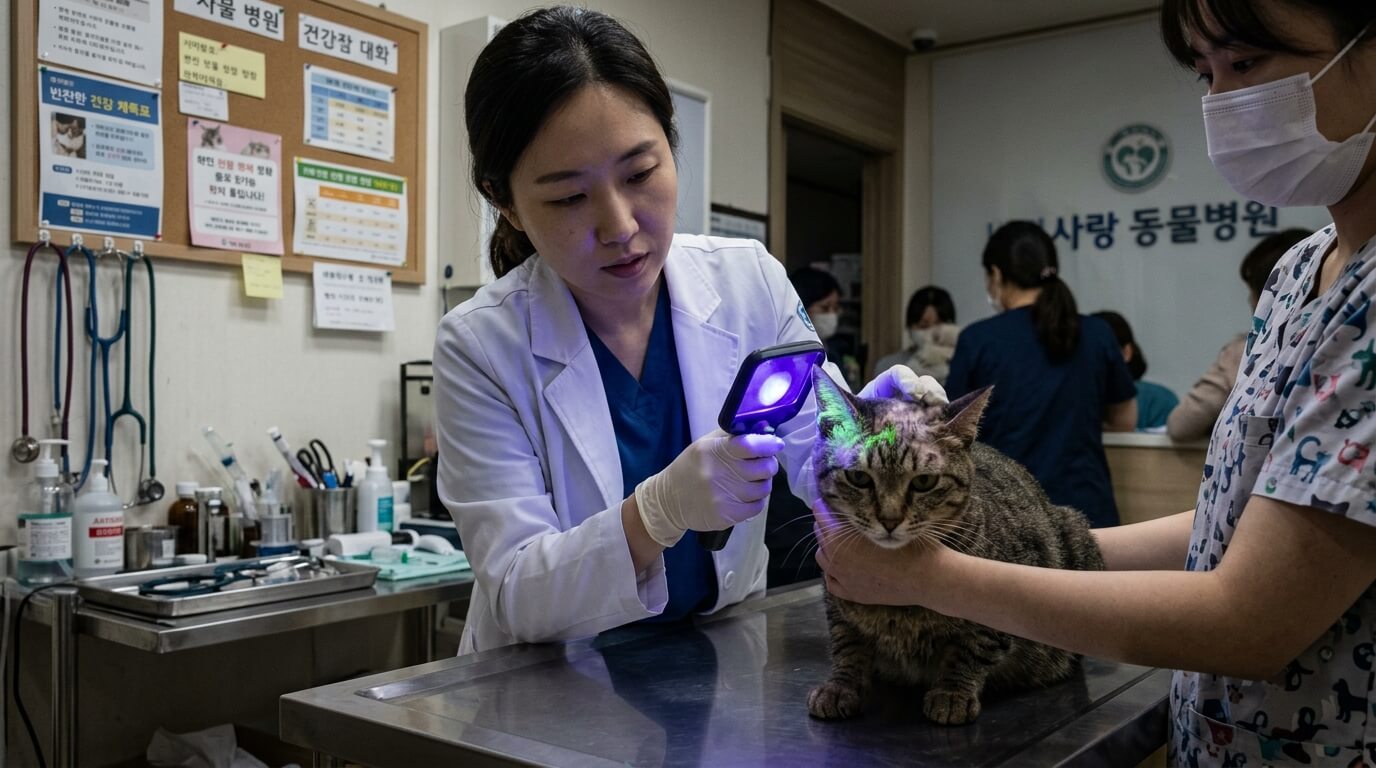
1. Systemic Oral Antifungals: If the infection is widespread or does not improve with topical treatment, oral antifungals such as Itraconazole or Terbinafine must be prescribed.
2. Medicated Shampoos: Bathe the cat twice a week using a medicated shampoo containing Miconazole and Chlorhexidine.
3. Topical Ointment & Grooming Prevention: When applying prescribed ointments to areas of alopecia and scaling, you must use an Elizabethan collar (E-collar/cone). This prevents the cat from licking the medication or spreading the spores to other parts of their body through grooming.
[Empathy] I deeply understand how shocked and upset you must have been when you suddenly faced your cat’s ear tip hair loss and the itchy, circular rashes on your own skin. Ringworm is a stubborn and grueling fight against fungi, but with your calm isolation protocols and meticulous medical care, it is a completely curable disease. Even when your cat feels lonely in the isolation room, and you feel exhausted wiping down every corner of your home, Ansim is cheering for you with all my heart, wishing for a quick return to your family’s healthy daily life.