
“Thought It Was Love, But Actually Triggered Separation Anxiety? 5 Critical Mistakes 99% of New Pet Parents Make”
Magentalab Research Team
August 8, 2026

When Love Becomes Harmful: Fatal Mistakes Beginner Pet Parents Often Make
Hello! I’m Ansim-i the Dachshund, Senior Researcher at Magentalab Pet Research Institute! Today I’ve brought another helpful research report to support a happy life together with your dog.
Unlimited affection for your dog can actually shorten their lifespan and create behavioral problems. Picking them up every time they bark, or giving them human food whenever they give you those pleading eyes, does not make them happier. In fact, it is one of the surest ways to increase separation anxiety and raise the risk of obesity and serious disease.
Today, I’ll clearly explain the fatal mistakes many beginner pet parents make in the name of “love,” along with the medical and behavioral truths behind them.
Common Beginner Mistakes vs. Correct Approaches
| Category | Common Beginner Mistake (Misconception) | Correct Approach (Truth) | Medical / Behavioral Risk |
|---|---|---|---|
| Affection | Immediately picking up the dog when it barks or whines | Ignoring until calm, then rewarding quietly | Severe separation anxiety and demand barking |
| Diet | Frequently giving human food or treats out of pity | Measured feeding of appropriate dog food + strict ban on human food | Acute pancreatitis, obesity, nutritional imbalance, toxicity |
| Potty Training | Placing treats on the potty pad to lure the dog | Rewarding outside the pad; treating the pad only as a toilet | Confusion between eating and elimination areas → training failure |
| Socialization | Completely avoiding outdoors until all vaccinations are finished | Carrying the puppy or using a stroller for safe visual and auditory exposure | Missing the critical socialization window (3–14 weeks) → fear-based aggression |
| Home Environment | Leaving the dog on slippery floors without mats | Installing non-slip mats in main living and jumping areas | Patellar luxation and cruciate ligament injury in small breeds |

1. Excessive Physical Affection Leads to Separation Anxiety
Over-responding to your dog severely damages their sense of independence. When a puppy whines or barks in a playpen and you immediately pick them up out of sympathy, they learn: “If I make noise, my person comes and rewards me with attention.”
When this pattern repeats, the dog can develop severe separation anxiety the moment you disappear from sight.
When your dog shows demand barking or whining, deliberately look away and ignore it. Only when the dog calms down on their own and sits or lies quietly should you approach, praise in a calm voice, and reward. What dogs truly need is not 24-hour physical closeness, but the psychological confidence that they are safe even when alone.

2. Human Food Can Cause Acute Pancreatitis
Diet is one of the hardest areas for many beginner pet parents to control. Giving in to those big eyes under the table and offering seasoned meat or pieces of fruit can directly endanger your dog’s life.
Excessive sodium and fat in human food, along with ingredients such as onion, garlic, chives, grapes, and xylitol, are toxic to dogs. Fatty meats or bones in particular place a heavy load on the pancreas and significantly raise the risk of acute pancreatitis. One piece of fried chicken can become an emergency-room ticket in the middle of the night.
A dog’s digestive system is fundamentally different from a human’s. Essential nutrients for growth and health should come from a balanced, complete dog food fed in the correct amount for the dog’s weight and activity level.
Medical Caution If your dog eats toxic human foods (grapes, chocolate, onion, etc.) and then shows vomiting, diarrhea, difficulty breathing, or seizures, do not rely on internet advice or home remedies. Immediately note what and how much was eaten and take the dog to a 24-hour veterinary hospital.

3. Treats on the Potty Pad Ruin House-Training
A common mistake during potty training is placing treats on the pad to lure the dog onto it. Dogs instinctively prefer to keep their eating area completely separate from their elimination area. If they repeatedly receive treats on the pad, they start to view it as a dining or resting spot rather than a toilet.
The key to successful potty training is clear reinforcement right after success. The moment your dog finishes eliminating on the pad, praise immediately, then call them off the pad and give the treat in a different location. Soft carpets or yoga mats are easily mistaken for potty pads, so remove confusing floor coverings during the early training stage and create a clear toilet area.

4. Don’t Miss the Critical Socialization Window
In the past, many veterinarians recommended keeping puppies indoors until all vaccinations were completed to prevent infectious disease. However, the period from about 3 to 14 weeks of age is the most important critical socialization window that shapes a dog’s lifelong temperament and adaptability. If a puppy spends this entire period only inside the house, they are far more likely to grow into a fearful dog that reacts with extreme anxiety to car noises, strangers, and other animals.
There is a safe way to build socialization while minimizing disease risk. Carry your puppy in your arms or place them in a dog stroller so their paws never touch contaminated ground or other animals’ waste. Simply exposing them to the smells of the wind, people’s voices, and everyday background sounds provides excellent visual and auditory socialization.

5. Slippery Floors and Patellar Luxation
Many homes have smooth hardwood or tile floors. Small breeds popular with first-time owners—such as Maltese, Pomeranians, and Poodles—are often genetically predisposed to weak knee joints (patellas). Slipping while running or turning on bare floors is a direct cause of patellar luxation and cruciate ligament tears.
Install thick, high-friction non-slip mats in the areas where your dog spends most of their time, especially landing spots from sofas or beds. Regularly trimming the hair on the paw pads is also a basic and essential preventive measure for joint health.

Recommended Research Data 🕸️

Should You Always Rub Your Dog’s Belly When They Show It? The True Meaning of Belly-Baring and How to React

Why Do Dogs Sigh? Are They Upset? A Complete Guide to Dog Sighs and Calming Signals
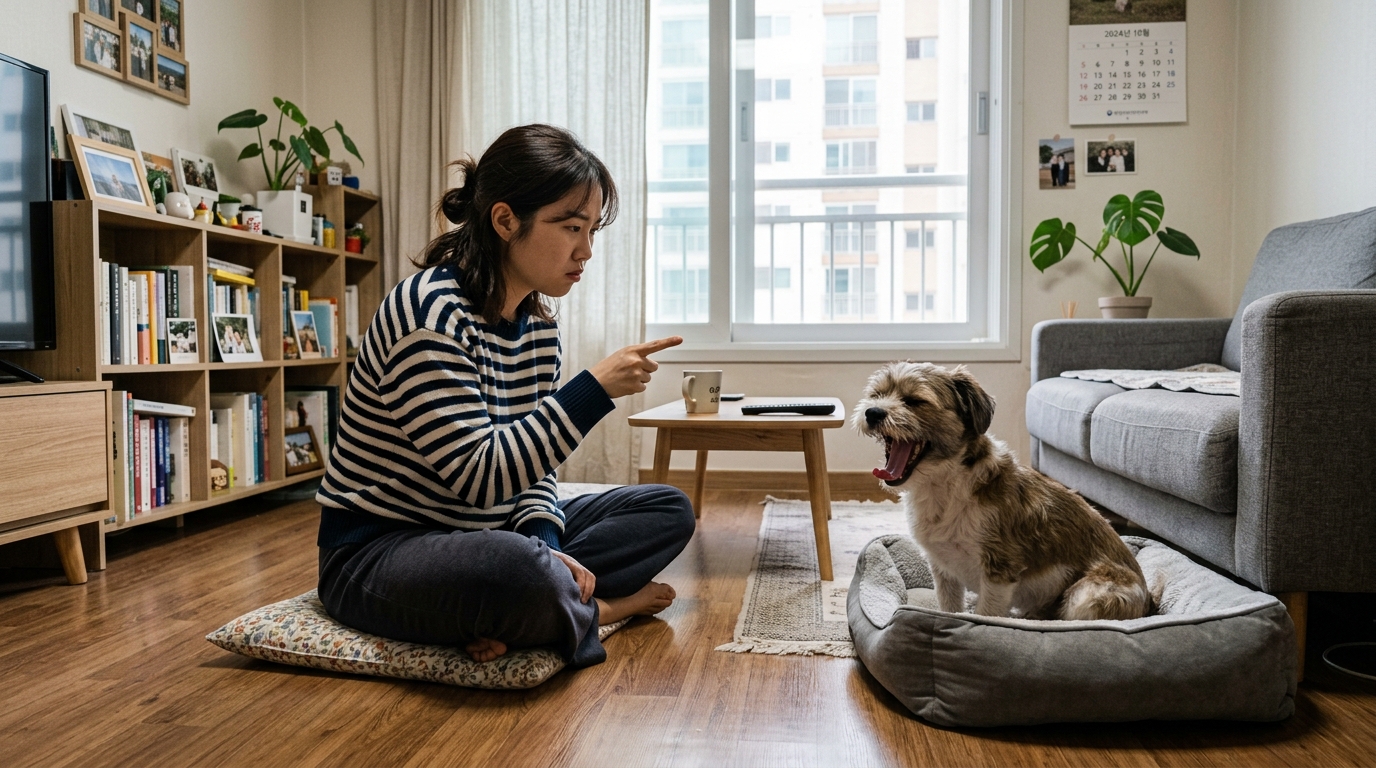
Did You Think They Were Being Stubborn and Scold Them More? 3 Rescue Signals Hidden in Dog Yawns That 99% of Novice Pet Parents Misunderstand
Comments (0)
No comments yet. Be the first to leave one!