
Comprehensive Overview of Feline Calicivirus (FCV) and Herpesvirus Chronic Gingivostomatitis & Full-Mouth Extraction Prognosis
Magentalab Research Team
July 13, 2026
Hello! I am Dachshund Ansim-i, Chief Researcher at the Magentalab Pet Research Institute! Today, I’ve brought another informative research report to help ensure a happy life together for you and your furry friends.
If your cat tries to eat from their food bowl but suddenly screams and runs away, or drools excessively and absolutely hates having their mouth touched, these are classic signs of Feline Chronic Gingivostomatitis (FCGS), a condition that causes devastating oral pain. Notably, Feline Calicivirus (FCV) and Feline Herpesvirus (FHV-1) are the primary culprits that make this disease chronic. Today, we will examine the pathological mechanisms by which the immune system destroys the gingival mucosa and the back of the throat, and detail the principles and prognostic data of full-mouth extraction, which is known as the most definitive cure.
Summary of Feline Chronic Stomatitis Viral Causes and Full-Mouth Extraction Prognosis
| Classification | Feline Calicivirus (FCV) | Feline Herpesvirus (FHV-1) |
| Pathogenesis & Affected Areas | Direct destruction of oral epithelial cells and ulcer formation; can be accompanied by arthritis. | Induces ocular keratoconjunctivitis (Herpes conjunctivitis) and upper respiratory system symptoms. |
| Chronic Stomatitis Induction | Triggers an abnormal immune response to oral plaque, progressing into chronic Lymphoplasmacytic Gingivostomatitis (LPGS). | Same (Viral reactivation upon immunosuppression causes continuous gingival damage). |
| Principle of Full-Mouth Extraction | Blocks immune hypersensitivity by completely extracting the teeth, which act as the physical anchor for bacteria and antigens. | Same |
| Extraction Cure Prognosis | High cure and drastic improvement rate of about 70–80% (the remainder require concurrent medical therapy). | Same |
| Post-Op Nutritional Prescription | Once the jawbone heals after extraction, cats can swallow and consume dry/wet food normally without chewing. | Same |
1. The Physiological Mechanism: Lymphocytes and Plasma Cells Destroying the Feline Gums and Fauces
Feline Chronic Gingivostomatitis (FCGS) is fundamentally different from simple periodontitis. The essence of this disease is that it is an immune-mediated disorder where the cat’s own immune system launches an abnormally excessive attack against oral bacteria or plaque antigens.

When FCV or FHV-1 infiltrates and breaches the primary oral epithelial barrier, the body’s immune cells are hyper-recruited to the oral mucosa. During this process, Lymphocytes and antibody-secreting Plasma Cells infiltrate the gingiva and the Fauces (the palatoglossal folds at the back of the throat) with abnormal density. These proliferated immune cells release amyloid proteins and massive amounts of inflammatory cytokines, causing the oral mucosal tissue to swell, turn red, and ulcerate. This completes a destructive chronic inflammatory state known as Lymphoplasmacytic Gingivostomatitis (LPGS), where the body essentially eats away its own gum tissue and bone.
2. The Harmful Effects of Latent Calici and Herpes Viruses on the Oral Immune System
Herpes and Caliciviruses, which cause Feline Upper Respiratory Infection (URI / cat colds), do not completely disappear from the cat’s body even after recovery.

-
Herpesvirus Latency Pathway: It remains latent in the Trigeminal Ganglion. When the cat’s immunity drops due to seasonal changes, multi-cat household conflicts, or other illnesses, it reactivates and attacks the oral cells.
-
Calicivirus Mutability: As a highly mutable RNA virus, it remains persistently latent in the oral mucosa, inducing apoptosis (cell death) in macrophages and epithelial cells.
These two viruses continuously irritate the oral barrier, abnormally heightening the sensitivity of immune cells. This serves as the core trigger that permanently maintains a hypersensitive reaction to bacterial plaque.

3. The Limits of Medical Therapy and Why Full-Mouth Extraction is the Only Definitive Cure
In the early stages of stomatitis, inflammation can be temporarily subsided by administering anti-inflammatories, antibiotics, immunomodulators (interferon), and steroids.

However, because this medical therapy cannot erase the fundamental antigens themselves, the inflammation returns at a terrifying speed the moment the medication is stopped. Long-term administration of steroids, in particular, induces fatal systemic side effects such as diabetes, immunodeficiency, and renal failure.
Therefore, the most definitive treatment recognized in veterinary medicine is Full-Mouth Extraction (FME). FME is a surgery that completely removes the teeth down to the roots, eliminating the core support structure where bacterial plaque attaches and thrives. Because the antigen mediators that induced the immune hypersensitivity completely disappear, the abnormal attacks by lymphocytes and plasma cells dramatically stop, even if the Calici and Herpes viruses remain latent.

4. Prognosis Comparison: Partial Extraction (Leaving Canines/Incisors) vs. Full-Mouth Extraction
When proceeding with extraction surgery, the extent of the extraction is determined based on the cat’s age and the areas of red erythema on the oral mucosa.

-
Partial Extraction (Premolars and Molars): Performed when the inflammation is strictly limited to the mucosa around the back teeth, and the gums around the incisors and canines are normal. Saving the canines prevents the aesthetic issue of the cat’s tongue constantly hanging out.
-
Full-Mouth Extraction (Including Canines and Incisors): Executed when the inflammation has spread extensively across the entire fauces and the inner areas of the canines. According to clinical statistical data, about 70–80% of cats that undergo FME are completely cured or show such high improvement that they no longer need medication. The remaining 20% of refractory cases can easily perform daily digestive functions with just a small prescription of NSAIDs. Because cats naturally have a digestive habit of swallowing kibble whole using their tongue rather than chewing, their quality of life improves drastically as they can eat dry food normally once the gums have fully healed.
5. The Essential Prerequisite for Successful Extraction: “Dental Radiographs” and Latest Medicine for Refractory Cats
If you have decided on FME, there is a crucial factor you must verify when choosing a clinic. Furthermore, there are hopeful, cutting-edge treatment alternatives for the 20% of cats whose inflammation does not fully subside post-surgery.

-
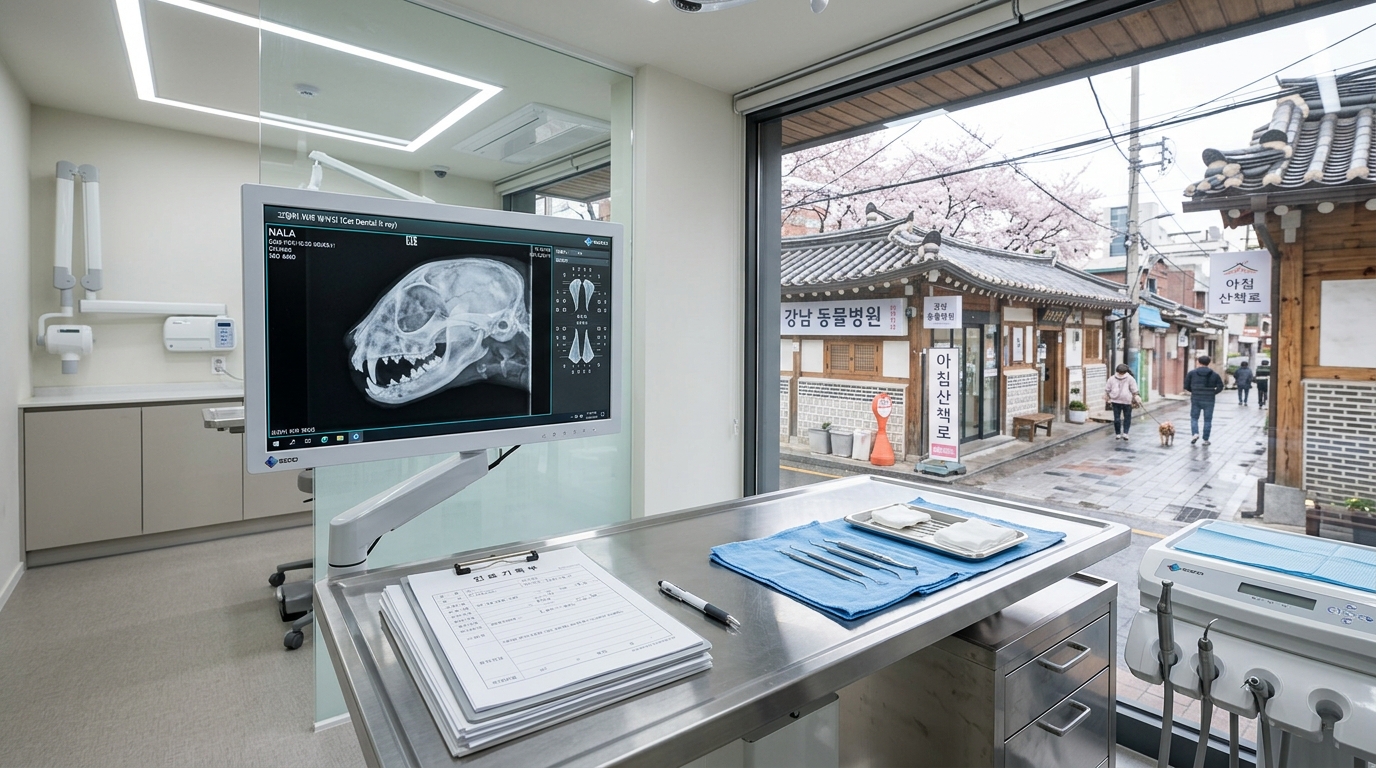
The Importance of Dental X-Rays to Catch Even 1mm of Hidden Roots: A cat’s tooth roots are deeply embedded in the jawbone, and the tooth structure is often weakened by inflammation, making them prone to breaking during extraction. If even a microscopic piece of the root (Retained Root) is left inside the gum, the cat’s immune system will recognize it as a continuous antigen and attack it. In short, if there is a retained root, the stomatitis will never heal, even if all teeth appear to be gone. Therefore, selecting a clinic equipped with dental radiography to cross-verify that 100% of the roots, invisible to the naked eye, have been completely removed before and after surgery is the absolute standard for surgical success.
-
Latest Immune and Stem Cell Therapies for the 20% Refractory Cats: Despite meticulous surgery, there are 20% of “Refractory” cases where the overly activated immune system fails to calm down, and stomatitis persists. But pet parents do not need to give up on these children either. Recently, veterinary medicine has actively introduced safe, innovative therapies to replace steroids with severe side effects.
-
Immunosuppressive & Modulatory Therapy: Prescribing low-side-effect immunosuppressants (Cyclosporine) or applying Recombinant Feline Interferon Omega (rFeIFN-ω) directly to the gingival mucosa helps alleviate symptoms by inducing antiviral and immunomodulatory effects.
-
Adipose-Derived Mesenchymal Stem Cell (MSC) Therapy: This is the most spotlighted cutting-edge regenerative medicine for refractory stomatitis today. When stem cells harvested and cultured from a cat’s adipose tissue are administered into the body, they exhibit a powerful healing mechanism that suppresses the wildly abnormal immune cells—almost like hitting a reset button—and regenerates the ulcerated oral mucosal tissues on their own.
-
Chief Researcher Ansim-i’s Request:
“The agony of a cat screaming in front of their food is beyond imagination. Rather than postponing the decision due to the fear of the word ‘Full-Mouth Extraction,’ removing the fundamental cause before the jawbone completely collapses is the truest act of love. It will restore your child to comfortable, pain-free meals and a peaceful daily life.”
Recommended Research Data 🕸️

Dog Diabetes Insulin Injection Timing & Daily Blood Glucose Curve Management: NFE Reverse Calculation and High-Fiber Diet Guide

Feline Infectious Peritonitis (FIP): Dry and Wet Early Symptoms, Ocular Cloudiness, Systemic Jaundice, and Clinical Signal Management

Distinguishing Between Cataracts and Nuclear Sclerosis in Senior Dogs & Screening Lutein to Prevent Keratoconjunctivitis Sicca (KCS)
Comments (0)
No comments yet. Be the first to leave one!